Seal Beach is where the coast changes the rules. Salt air and steady marine humidity are constants here, and both work against a home's plumbing and its ability to stay dry. Metal corrodes faster near the ocean, fixtures and supply lines fail sooner, and the same humid air that makes beach living pleasant also gives mold a head start once anything gets wet. Drying a home in Old Town is a different job than drying one inland.
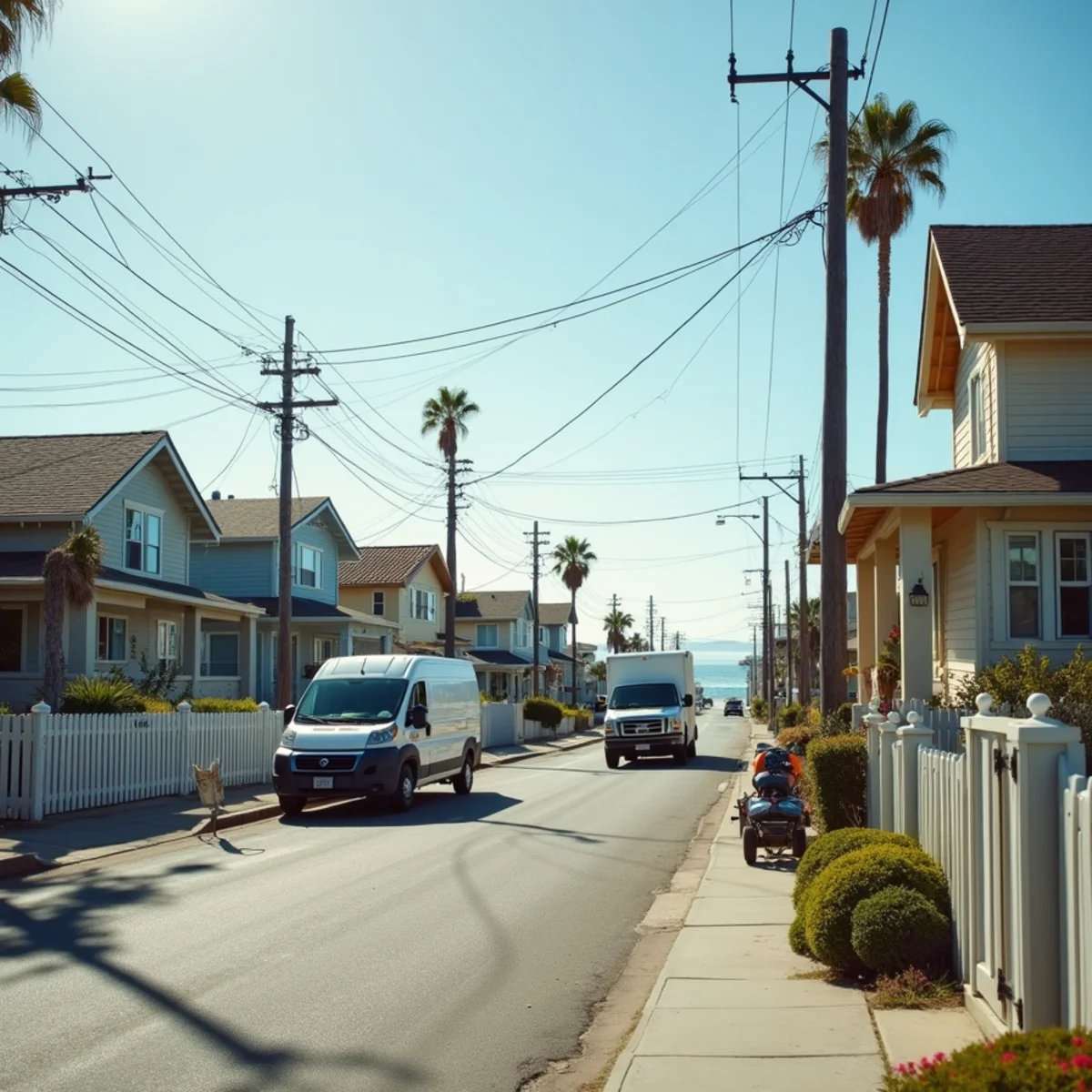
In the cottages and older homes around Main Street and the pier, tight lots and decades of coastal exposure mean corroded pipes and slow leaks are common. Humidity keeps materials from drying on their own, so a leak that might air out inland will instead linger and turn musty here. We dry to the IICRC S500 standard with dehumidification sized for coastal moisture, not just enough to handle a dry-climate leak.
Leisure World Seal Beach adds another dimension. It is a large senior community of thousands of units, and shared walls, shared plumbing, and older residents mean a leak in one unit can affect several and needs a calm, careful response. We coordinate access between units, protect belongings, and keep disruption to a minimum, working with residents and management alike.
We are IICRC-certified in water restoration and applied structural drying, licensed, and insured. Coastal work is where thorough drying and moisture verification matter most, because surface-dry near the ocean is rarely truly dry. We document every reading and bill your insurer directly where the policy allows.
Common Causes of Water Damage in Seal Beach
Every neighborhood has its own risk profile. In Seal Beach, CA, these are the water damage calls we see most often:
- Salt air and marine humidity that accelerate pipe corrosion and mold growth
- Coastal humidity that slows natural drying and calls for heavier dehumidification
- Old Town cottages on tight lots with aging, corroded plumbing
- Leisure World's shared-wall senior units, where one leak reaches several homes
- Low coastal elevation near the San Gabriel River mouth, raising storm and tidal exposure
- Older water heaters and supply lines that fail early in the salt environment
Fast, Local Response to Seal Beach
Seal Beach is southwest of Buena Park via the SR-22 and the I-405 or I-605, so we target arrival in about 25 minutes, and our line is answered around the clock.
We regularly work near Seal Beach Pier, Main Street Old Town, Leisure World Seal Beach, and Seal Beach National Wildlife Refuge — and everywhere in between. If you're in the area and water is spreading, we can be on our way quickly.
How We Restore Water-Damaged Homes in Seal Beach
- 1
Emergency Contact & Rapid Assessment
A real person answers your call 24/7 — never a voicemail. We ask a few quick questions to gauge severity, then dispatch a crew immediately. While you wait, we'll walk you through shutting off the water and safely documenting the damage for your insurer.
- 2
Water Extraction
Our technicians arrive with truck-mounted and portable extraction units to pull out standing water fast — the single biggest factor in limiting damage. We move furniture and belongings to dry areas and stop the spread before it reaches new rooms.
- 3
Drying & Dehumidification
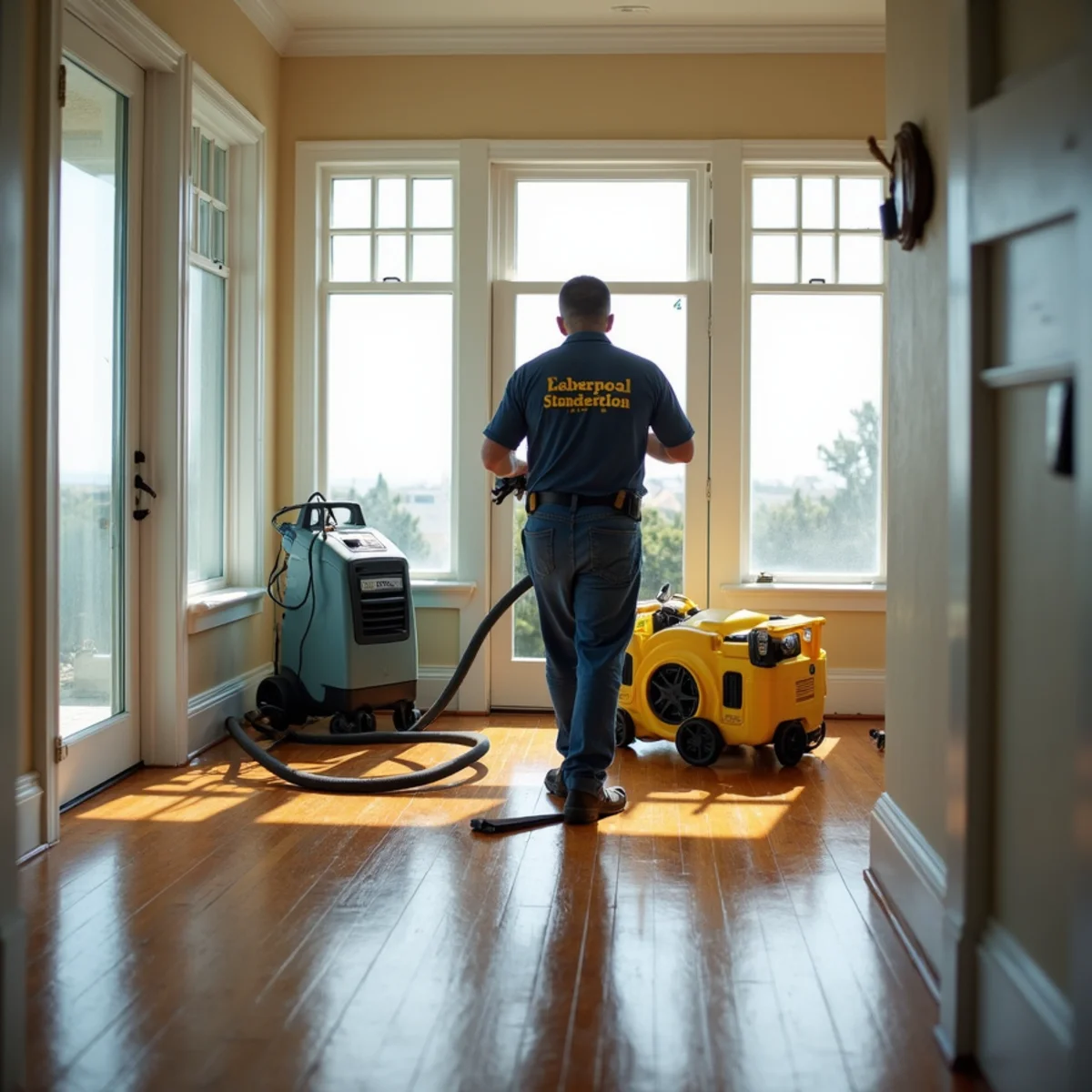
We position industrial air movers and dehumidifiers to dry structural materials from the inside out, then monitor moisture daily with professional meters and thermal imaging so hidden dampness behind walls and under floors doesn't turn into mold.
- 4
Cleaning & Sanitizing
Every affected surface is cleaned with antimicrobial and anti-fungal treatments. For gray- and black-water losses we follow strict IICRC S500 containment, PPE, and disposal protocols to keep your home safe.
- 5
Restoration & Reconstruction
Once your property is dry, we repair or replace drywall, flooring, cabinetry, and paint — and put it back the way it was. One company handles the whole job, from the first extraction to the final coat of paint, so you're never juggling three contractors.
Serving Seal Beach, CA — 24/7
Certified crews on standby. Free inspection, insurance handled.
Seal Beach Water Damage FAQs
It does. Marine humidity keeps materials damp longer, and mold only needs a day or two of moisture to take hold, so coastal homes have a shorter margin than inland ones. That is why we run dehumidification sized for the humidity here and verify with moisture readings before finishing. Drying quickly and completely is the best mold prevention in Seal Beach.
Yes. Leisure World's shared walls and shared plumbing mean a single leak can involve more than one unit, so we coordinate access between neighbors, work calmly around older residents, and keep the process orderly. We dry the source unit and every adjoining space the water reached, and we are glad to communicate with management as needed.
Because the air itself is more humid, materials give up their moisture more slowly, and standard drying that would finish inland can leave a coastal wall or floor still damp. We account for that with larger or longer-running dehumidification and daily moisture checks. The readings, not the calendar, tell us when your home is truly dry.
Yes, coastal environments are harder on metal, and older supply lines, fixtures, and water heaters near the ocean tend to fail sooner than their inland counterparts. That is part of why slow leaks are common in Old Town's older homes. When one shows up, we dry the damage and can point you toward what to watch on the rest of the aging line.
It can. Seal Beach's coastal humidity and salt air mean the surrounding air already holds more moisture, which slows natural drying and gives mold a longer window. In Old Town's older beach cottages, we counter that with dehumidifiers sized to pull the extra moisture from the structure, not just the surface. We keep monitoring your Seal Beach home with moisture meters until the readings hold at a safe dry standard.
Yes, often. Leisure World in Seal Beach is a large community of single-story co-op homes that share walls and slabs, so a leak in one unit can move into the next before it's noticed. We work carefully around residents, trace how far the water spread with moisture meters and thermal imaging, and dry the affected Seal Beach units together. Clear documentation for the mutual and each resident keeps the claim straight.