You find a dark patch creeping across the bathroom ceiling or the corner of a closet. The first question almost everyone asks is the same one: is this the dangerous black mold I keep hearing about, or just mildew I can wipe away?
It is a fair question, and the answer changes how you should respond. Mildew is usually a surface nuisance you can clean yourself. Larger mold growth, including the darker types people call black mold, points to a moisture problem that deserves a closer look.
This guide breaks down the real differences by color, texture, and location. It also draws a clear line between what you can safely handle and when it is time to bring in a certified crew here in North Orange County.
The Short Answer
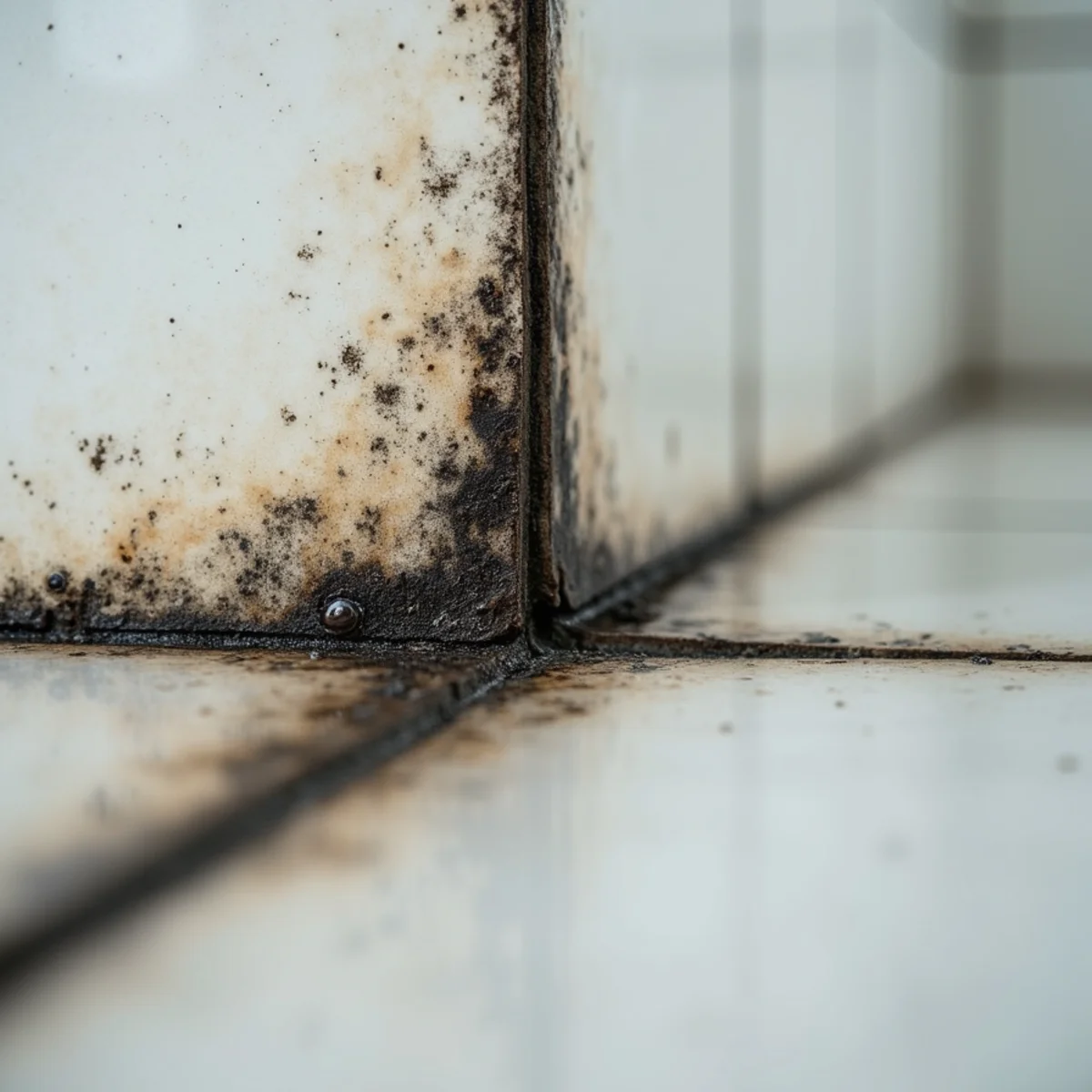
Mildew and mold are both fungi, but they behave differently. Mildew tends to stay flat on a surface, looks powdery, and often shows up gray, white, or light yellow. It is common on tile grout, shower walls, and window sills where humidity is high.
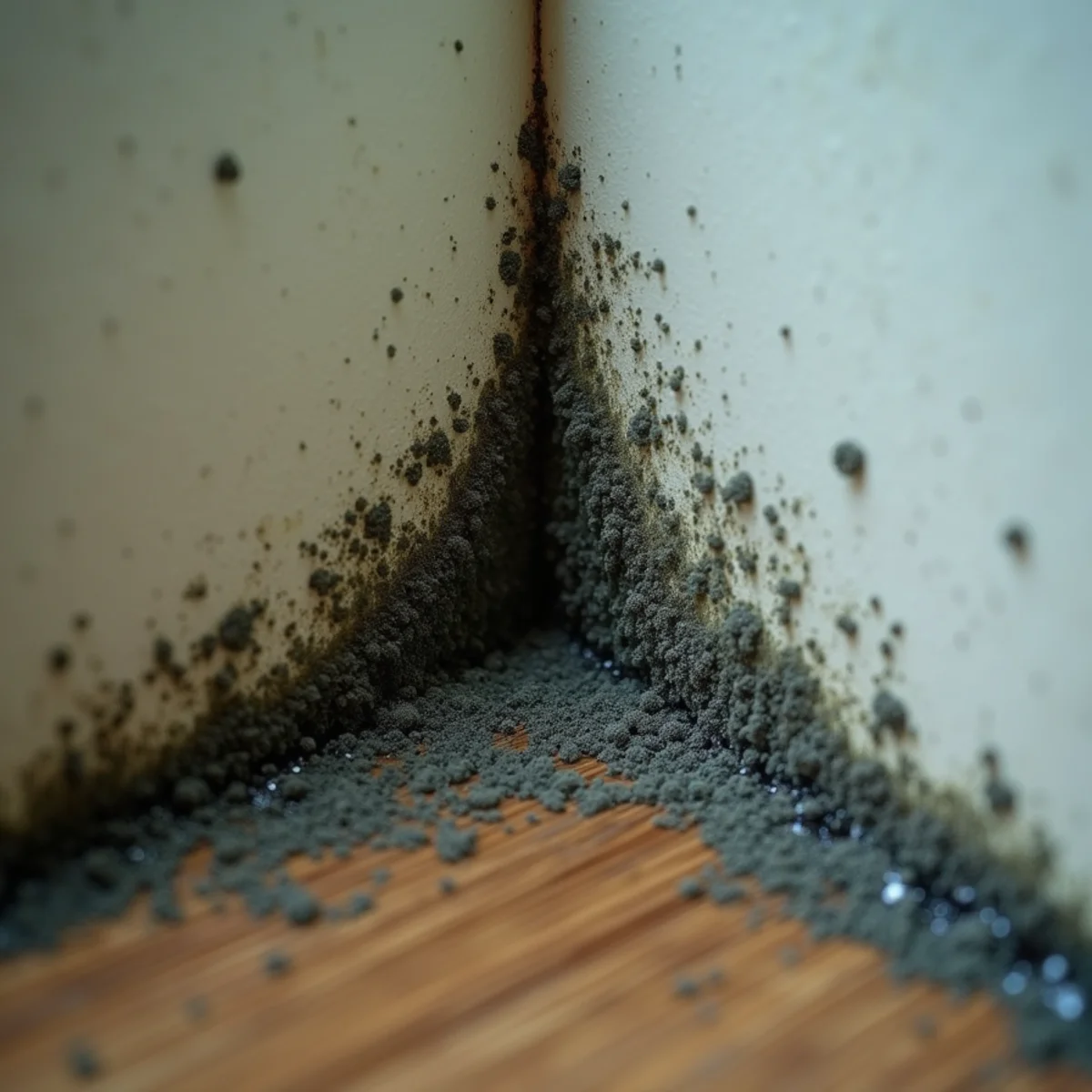
Mold grows into materials rather than just sitting on top of them. It often looks fuzzy, slimy, or raised, and its colors run darker, green, brown, or the greenish-black shade people label black mold. Because mold digs into drywall, wood, and insulation, it signals that moisture has gone deeper than the surface.
That last point is the practical takeaway. Mildew is usually a cleaning task. Spreading or embedded mold is a moisture problem, and moisture problems are why it keeps coming back no matter how often you scrub.
Tell Them Apart by Sight and Smell
You do not need a lab to make a first call. A few quick observations get you most of the way there.
- Color: Mildew is usually light, white, gray, or yellowish. Mold trends darker, green, brown, black, or even orange.
- Texture: Mildew looks flat and powdery. Mold looks fuzzy, raised, or slimy.
- Pattern: Mildew stays on the surface in patchy spots. Mold spreads and can bleed through paint from behind.
- Smell: Mildew has a mild musty odor. Heavier mold growth often smells stronger and earthier.
- Reaction to cleaning: Mildew wipes off and stays gone if the area dries. Mold returns quickly because its roots remain in the material.
About the Term Black Mold
The phrase black mold usually refers to Stachybotrys chartarum, a dark, slimy mold that grows on materials with high cellulose content, like drywall and cardboard, that have stayed wet for a while. It earned its reputation because it tends to appear only where there has been a persistent moisture problem.
Here is the honest part. You cannot confirm a specific mold species just by looking at it. Plenty of harmless molds are dark, and color alone is not a reliable diagnosis. That is what a professional mold inspection and testing is for, identifying what you are actually dealing with instead of guessing from a photo.
On health, we stay measured. Reactions to mold vary widely from person to person. Many people are unaffected, while those with allergies, asthma, or weakened immune systems can be more sensitive to airborne spores. For personal health questions, your doctor is the right resource. Our job is to remove the source safely.
Where Each One Shows Up in Local Homes
Because so many homes across Buena Park and nearby Cypress sit on concrete slabs with enclosed bathrooms and interior closets, both mildew and mold have plenty of places to settle.
Mildew loves warm, humid, well-lit surfaces: shower tile, grout lines, window frames, and the outside of a toilet tank. It shows up wherever steam and condensation collect and airflow is limited.
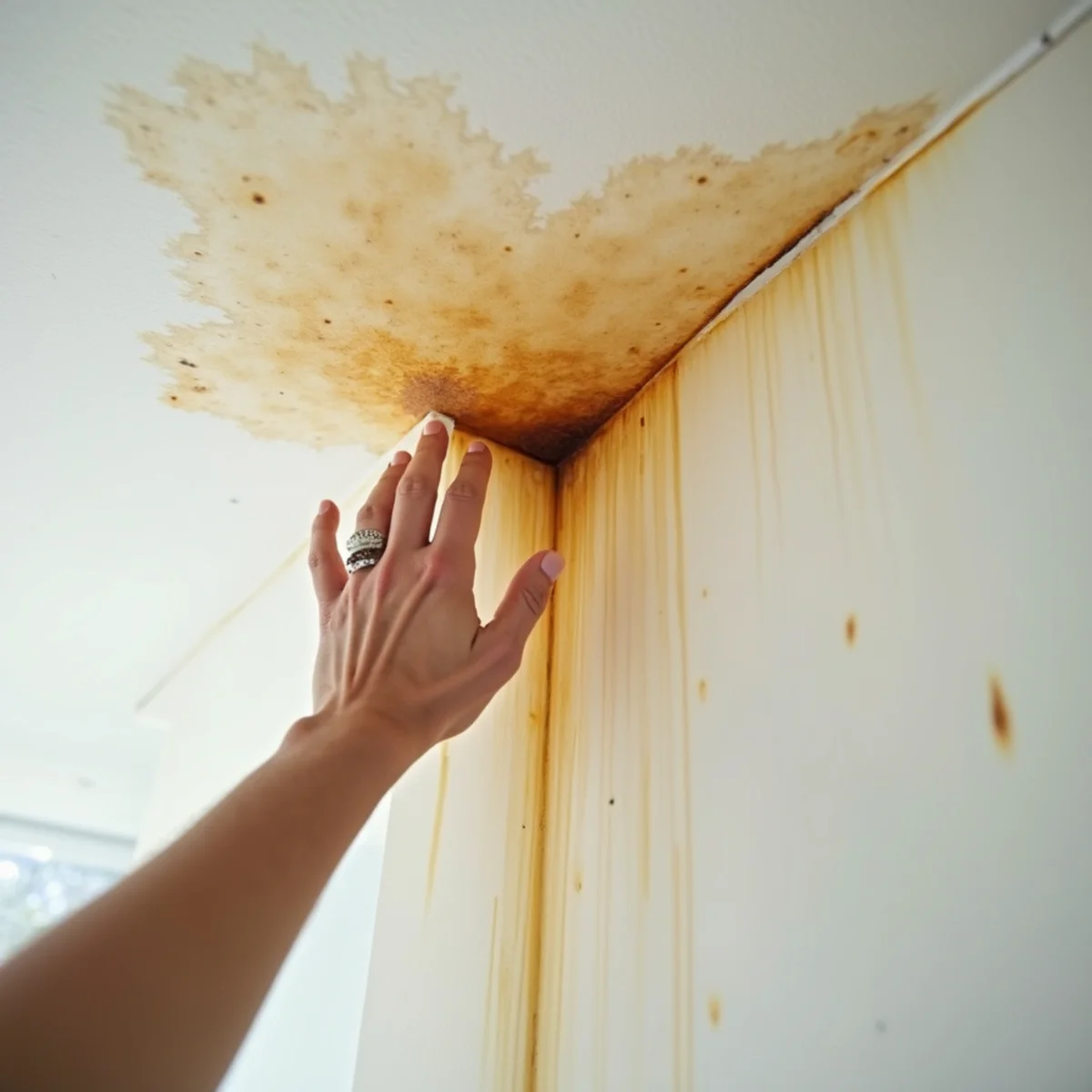
Mold favors darker, consistently damp spots tied to an actual leak: under sinks, behind baseboards, inside wall cavities, around HVAC returns, and beneath flooring. When the growth follows the path of a leak rather than a steamy room, that is your signal the moisture is structural, not just atmospheric.
What You Can Clean and What You Should Not
Small patches of surface mildew on nonporous materials are usually a do-it-yourself job. Ventilate the room, wear gloves, scrub with a household cleaner, dry the area completely, and improve airflow so it does not return.
Step back and call a professional when any of these are true:
- The growth covers more than roughly a 3-by-3-foot area.
- It keeps coming back after cleaning, which means the moisture source is still active.
- It appears on porous materials like drywall, insulation, or carpet that hold moisture.
- There is a strong musty odor with no visible source, suggesting hidden growth.
- The mold followed water damage from a leak, flood, or sewage backup.
In those cases, spraying bleach on the surface often just hides the problem. Proper mold removal uses containment to keep spores from spreading, then addresses the moisture so it does not grow back.
Fixing the Moisture Is the Real Cure
Whether you are looking at mildew or mold, both are telling you the same thing: something is too wet. Clean all you want, but if the underlying moisture stays, the growth returns.
That might mean better bathroom ventilation and a squeegee habit for chronic mildew. For mold, it usually means finding and stopping a leak, then drying the structure properly. Our crews use moisture meters and thermal imaging to confirm materials are dry, then follow up with sanitization and disinfection where needed.
If you are unsure which one you have, or you have cleaned the same spot three times and it keeps returning, that is a good moment to have it looked at. A quick inspection settles the question, and our 24/7 line is there when you want a straight answer.
Frequently Asked Questions
Color is a useful first clue but not proof. Mildew is usually light and powdery, while mold is darker and fuzzy or slimy. However, many harmless molds are also dark, so only professional testing can confirm a specific species.
Mildew is generally a surface nuisance and far less invasive than embedded mold. It can still trigger irritation in sensitive people, so it is worth cleaning promptly, keeping the area dry, and improving ventilation to stop it from returning.
Bleach may lighten a surface stain but often does not solve mold on porous materials like drywall, because the roots remain underneath. Larger or embedded growth needs containment and proper removal, plus fixing the moisture source, to keep it from coming back.
A common guideline is roughly a 3-by-3-foot area. Beyond that, or when growth is hidden, keeps returning, or followed water damage, a certified professional should assess and remove it safely rather than disturbing it yourself.
Dealing with water damage right now?
Water Damage Buena Park responds 24/7 across Buena Park & North OC.