Westminster sits low and flat, and in parts of the city the water table is closer to the surface than people expect. That matters when a pipe fails or a storm pushes water toward the house, because there is less dry ground below the slab to carry moisture away. Water lingers, and slabs that stay damp underneath take longer to dry than they would on higher ground.
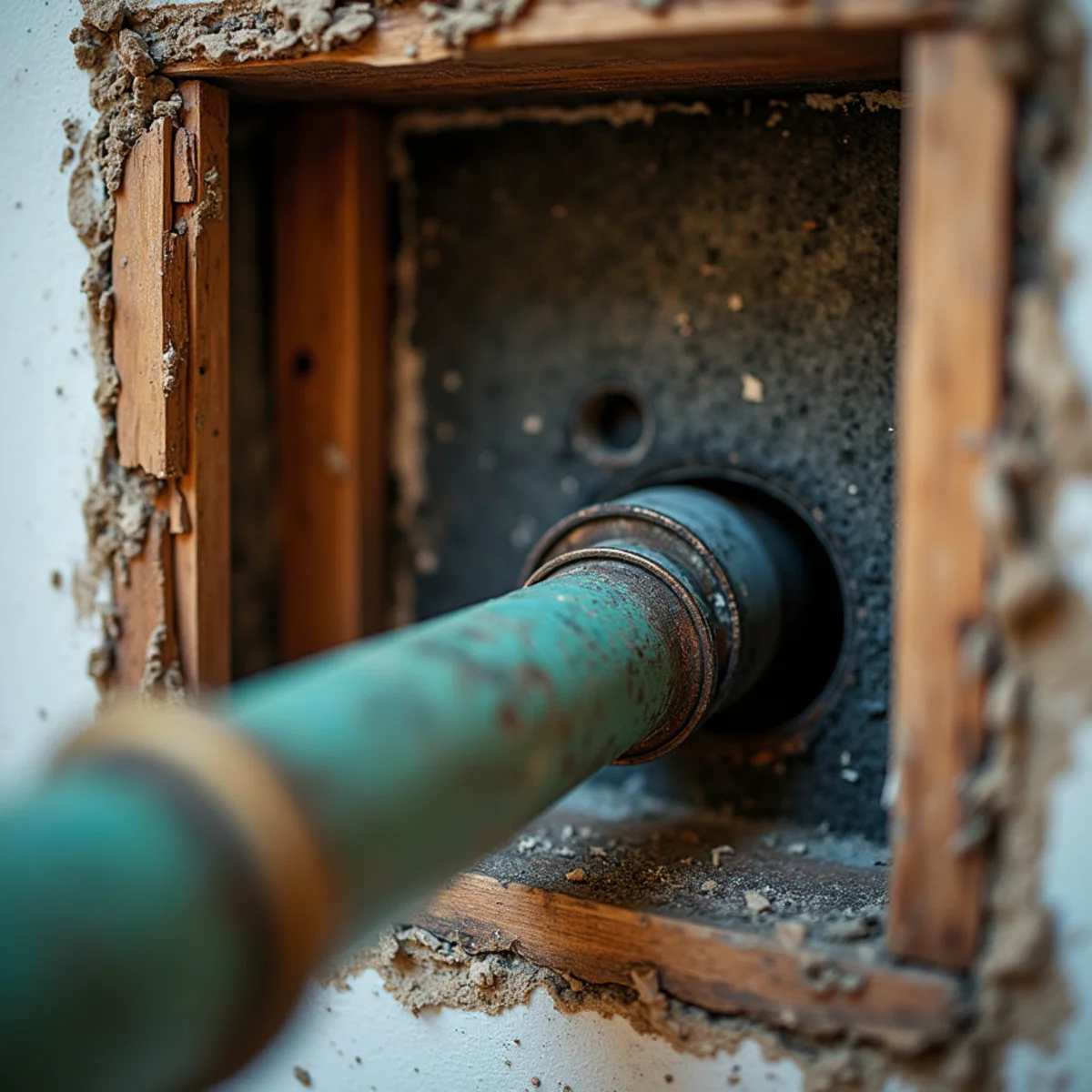
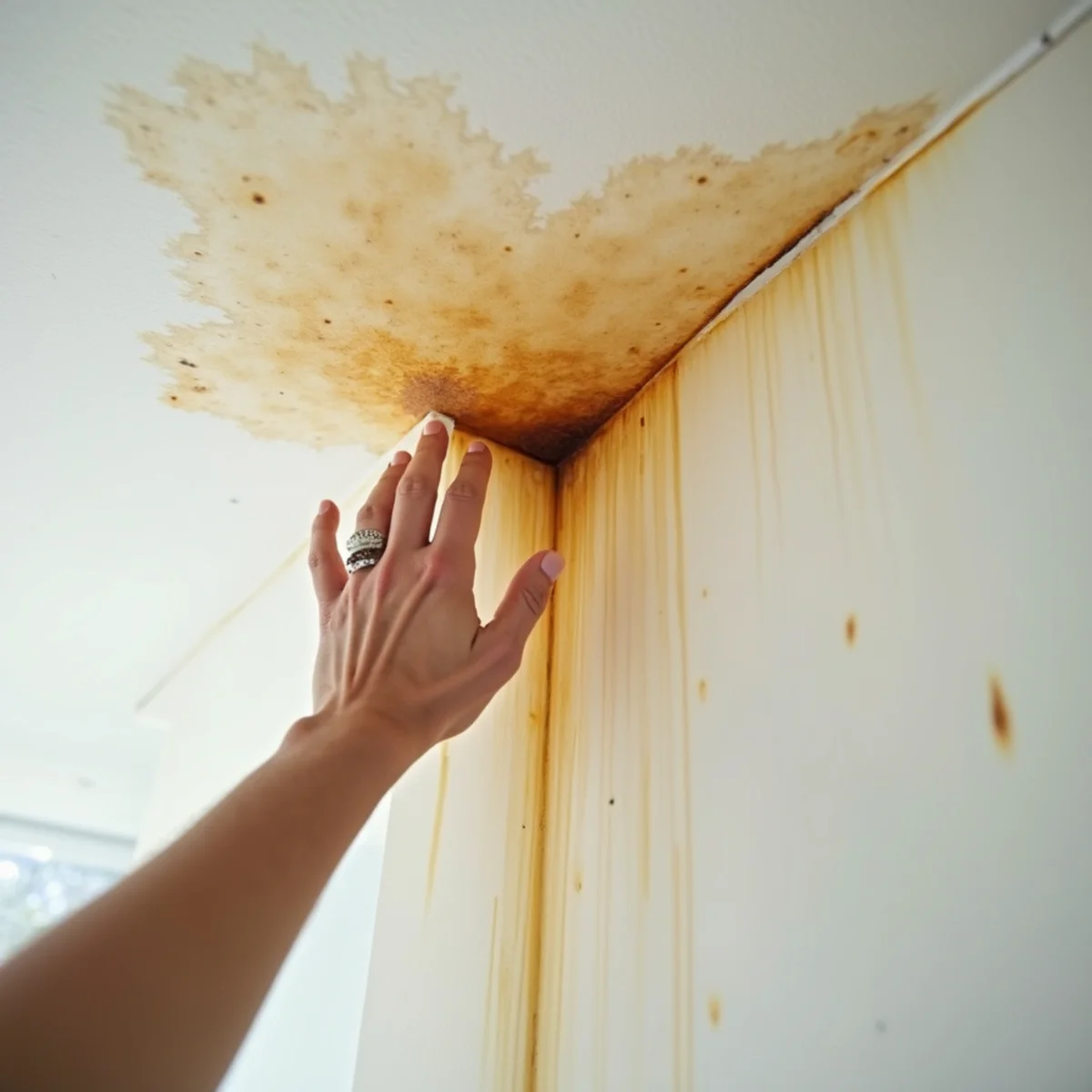
Most homes here are slab-on-grade, built mid-century with copper supply lines that hard water has been thinning from the inside for decades. A pinhole leak that started as a faint stain can soak a wall base overnight. When you spot one, keep the area clear and call our 24/7 line; we will help you find the shutoff and get a crew moving toward you.
Westminster is the heart of Little Saigon, and the Bolsa Avenue corridor around the Asian Garden Mall is packed with restaurants, markets, and multi-tenant buildings where a single plumbing failure reaches several units at once. We work these shared-wall losses carefully, drying the source space and every neighbor the water touched, and we coordinate access so nobody's unit gets left wet.
Our crews are IICRC-certified, licensed, and insured, and we size dehumidification to the moisture actually in the structure, not to a guess. On flat, high-water-table ground that often means running equipment a little longer and monitoring daily until the readings say dry. We document everything and bill your insurer directly where your policy allows.
Common Causes of Water Damage in Westminster
Every neighborhood has its own risk profile. In Westminster, CA, these are the water damage calls we see most often:
- Low, flat terrain with an elevated water table in parts, which slows slab drying
- Slab-on-grade mid-century homes with aging copper prone to pinhole leaks
- Dense Bolsa Avenue commercial and multi-tenant plumbing that spreads a single failure across units
- Restaurant and market density with grease lines and drains that back up
- Winter storm runoff that pools on flat streets rather than draining off
- Hard water that shortens the life of water heaters and braided supply lines
Fast, Local Response to Westminster
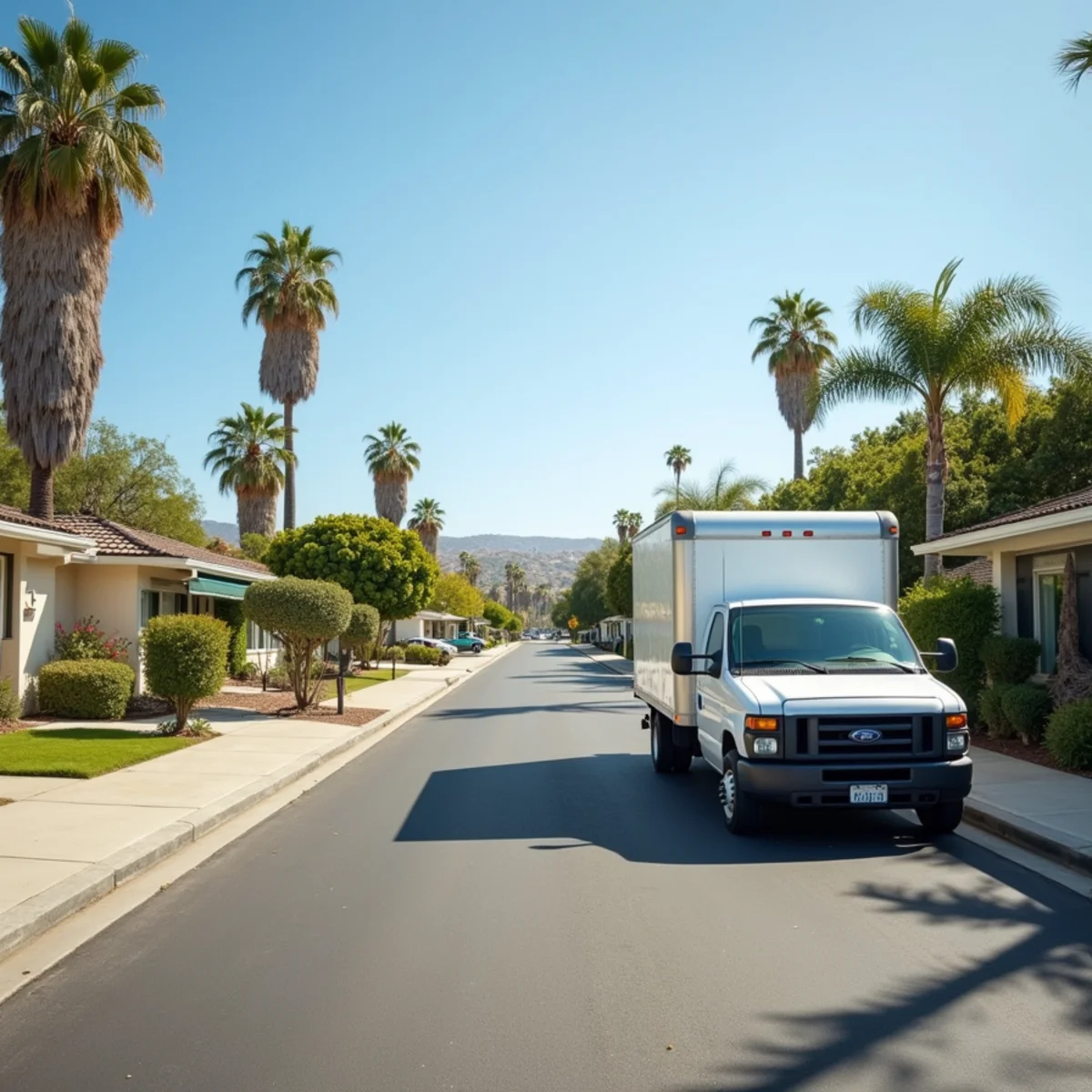
Westminster is a straight run south of our Buena Park base down Beach Boulevard or the 22, so most calls see a crew in about 20 minutes, any hour.
We regularly work near Little Saigon and the Bolsa Avenue corridor, Asian Garden Mall (Phuoc Loc Tho), Westminster Mall, and Sigler Park — and everywhere in between. If you're in the area and water is spreading, we can be on our way quickly.
How We Restore Water-Damaged Homes in Westminster
- 1
Emergency Contact & Rapid Assessment
A real person answers your call 24/7 — never a voicemail. We ask a few quick questions to gauge severity, then dispatch a crew immediately. While you wait, we'll walk you through shutting off the water and safely documenting the damage for your insurer.
- 2
Water Extraction
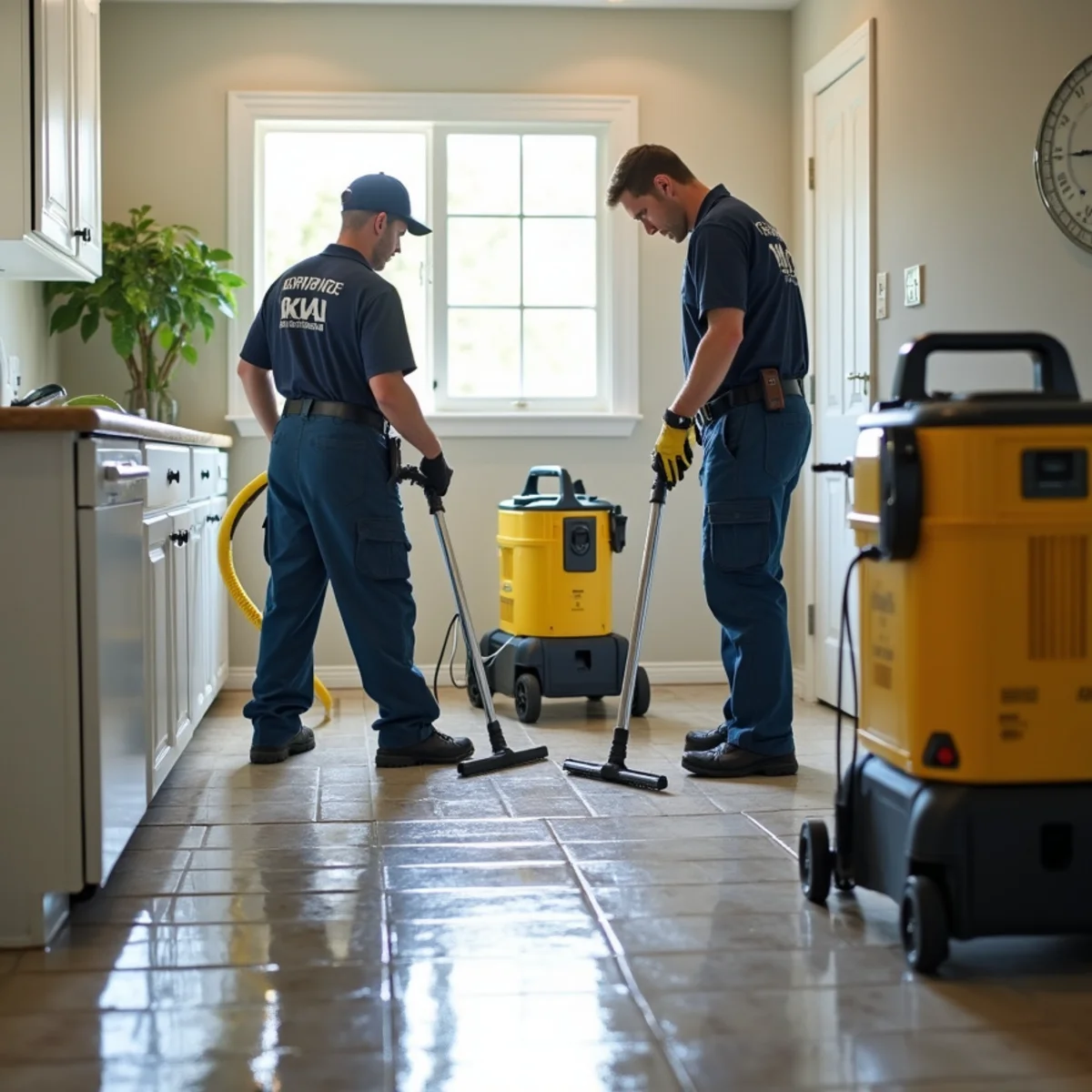
Our technicians arrive with truck-mounted and portable extraction units to pull out standing water fast — the single biggest factor in limiting damage. We move furniture and belongings to dry areas and stop the spread before it reaches new rooms.
- 3
Drying & Dehumidification
We position industrial air movers and dehumidifiers to dry structural materials from the inside out, then monitor moisture daily with professional meters and thermal imaging so hidden dampness behind walls and under floors doesn't turn into mold.
- 4
Cleaning & Sanitizing
Every affected surface is cleaned with antimicrobial and anti-fungal treatments. For gray- and black-water losses we follow strict IICRC S500 containment, PPE, and disposal protocols to keep your home safe.
- 5
Restoration & Reconstruction
Once your property is dry, we repair or replace drywall, flooring, cabinetry, and paint — and put it back the way it was. One company handles the whole job, from the first extraction to the final coat of paint, so you're never juggling three contractors.
Serving Westminster, CA — 24/7
Certified crews on standby. Free inspection, insurance handled.
Westminster Water Damage FAQs
It can. Where groundwater sits close to the surface, the soil under your slab holds moisture, so a wet slab has less dry ground to give it up to. In practice that means we often run dehumidifiers longer here and check readings daily rather than assuming a standard timeline. Drying to the number, not the calendar, is what keeps mold from following the leak.
Yes. We handle commercial and multi-tenant losses throughout Little Saigon, from a market cooler line that lets go to a restaurant leak that spreads into neighboring shops. Shared walls and shared plumbing mean water rarely stays in one unit, so we dry the whole affected group and coordinate access with owners and tenants.
The combination of original copper plumbing and hard water is the culprit. Over decades, hard water corrodes copper from the inside until a tiny hole forms and weeps under pressure. That pinhole often hides behind drywall or under the slab, so the first sign is a stain or a musty smell rather than a spray. Once one appears, others on the same aging line are worth checking.
It can be, because humid, slow-drying conditions give mold a head start once materials stay wet. That is exactly why we dry to the IICRC S500 standard and verify with moisture readings before calling a job done. If we find growth already established, we contain and remove it properly rather than painting over it.
We do. The Bolsa Avenue corridor through Little Saigon in Westminster is dense with restaurants, markets, and small shops, and a burst line or failed water heater can shut one down fast. We work around your hours where we can, extract quickly, and set commercial air movers and dehumidifiers to dry floors and walls without a long closure. We also document the loss for your insurer so a Westminster business can reopen sooner.
Much of Westminster's residential housing is 1950s and 60s slab tract homes, and the aging copper plumbing and hard-water-worn heaters in them cause most of the calls we get. A pinhole under the slab or a split heater tank can put a lot of water into a Westminster home before it's noticed. We pinpoint the source, extract, and dry the flooring and drywall to the IICRC S500 standard so mold never gets a start.