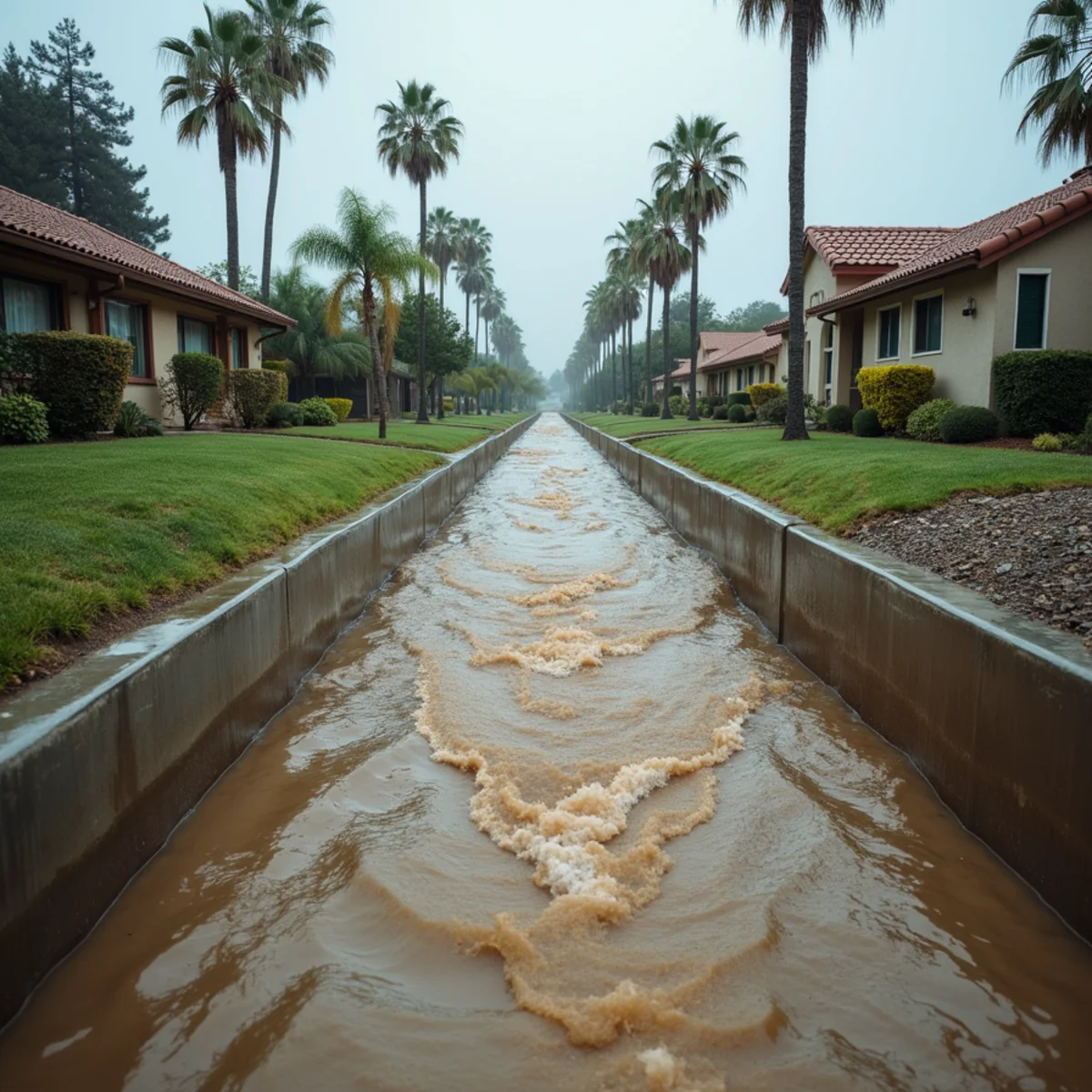
Storms in Southern California are infrequent, which is exactly why they catch homes off guard. A single hard rain on a fall day, or a gusty Santa Ana that lifts shingles, can send water into an attic, down a wall, or across a ceiling before you realize the roof gave way. When water is coming in during a storm, the priority is stopping the intrusion and getting the water out.
Storm damage tends to hide at first. Wind loosens roofing or flashing, and the rain that follows finds the opening, but the water often travels along framing and shows up as a stain far from the actual leak. Left alone between storms, that dampness sits in the attic and walls, warping materials and starting mold well before the next rain reveals how bad it is.
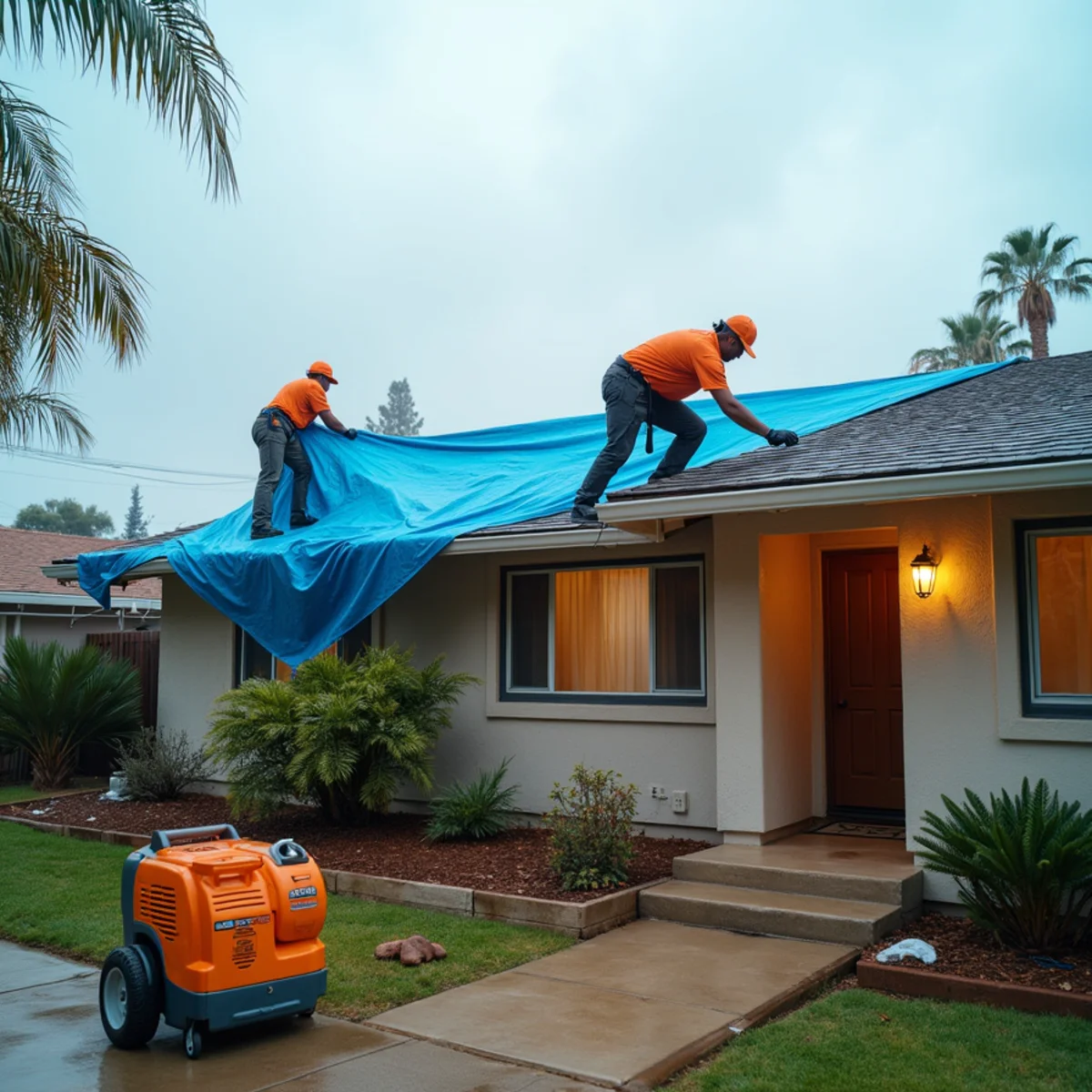
We respond to storm losses on two tracks at once: stop more water from getting in with emergency tarping and board-up, and deal with the water already inside through extraction and structural drying. Then we trace the intrusion to its real source and repair the damage, so the fix holds through the rest of the wet season rather than reopening in the next downpour.
When a storm hits, our 24/7 crews are ready across Buena Park and North Orange County. Call our line and we will get a tarp up and the water out before the damage spreads.
Signs You Need Storm Damage Restoration in Buena Park
Water damage rarely announces itself politely. Here's what tends to signal that it's time to call a professional:
- Water stains or active dripping on ceilings and walls during or after rain
- Missing, lifted, or damaged shingles, tiles, or flashing
- Water intrusion in the attic, along rafters, or down interior walls
- Wind-driven rain around windows, doors, or skylights
- Pooling water in the yard, garage, or against the foundation
- Debris impact damage to the roof or exterior
- A damp, musty attic smell after a storm
What's Included in Our Storm Damage Restoration
Storm Damage Restoration with us is a complete, done-for-you service — not a partial fix that leaves you chasing other contractors. Here's what a typical job includes:
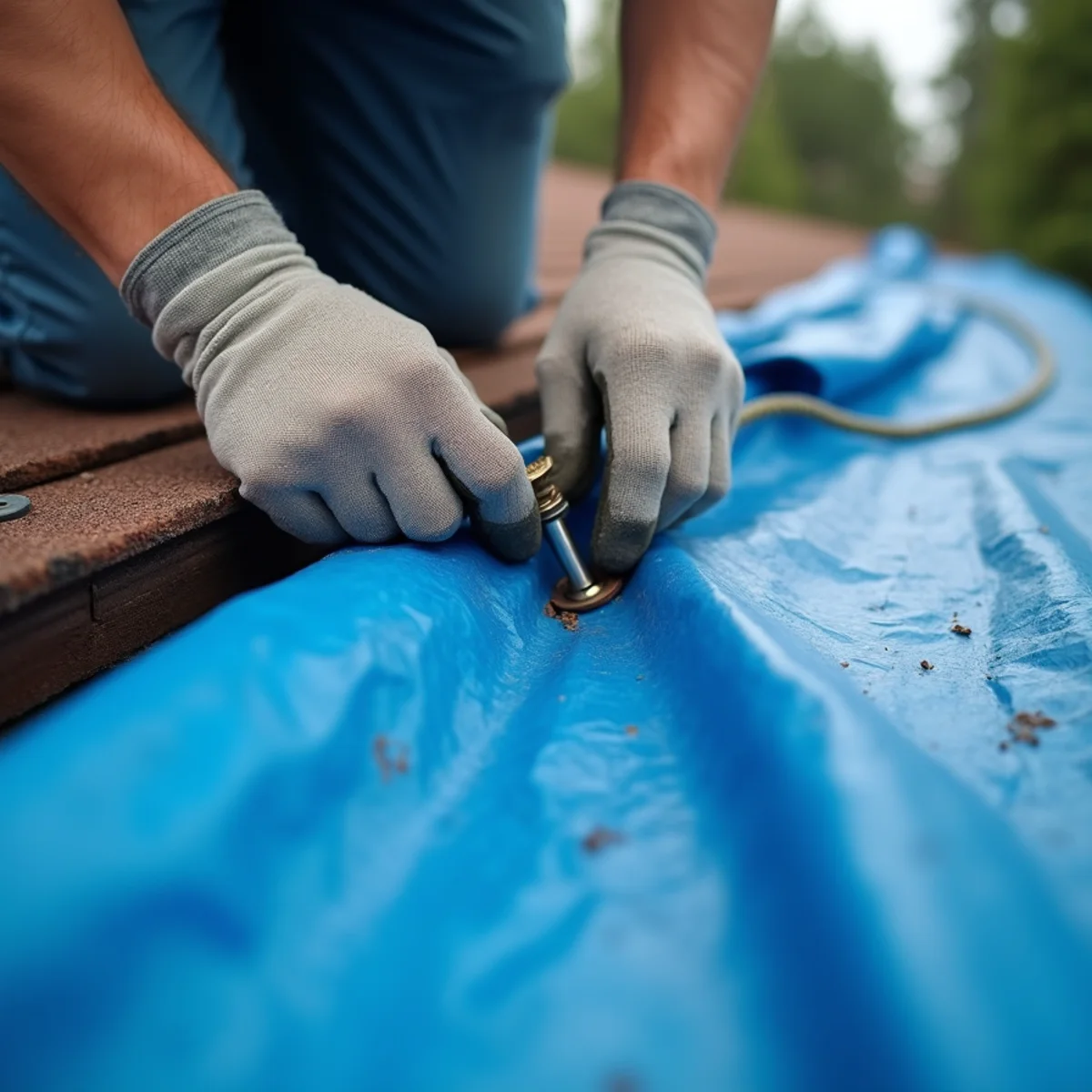
- Emergency roof tarping and board-up to stop water intrusion
- Extraction of rainwater from ceilings, walls, and floors
- Removal of storm-soaked insulation and drywall
- Wall cavities dried with injection drying and air movers
- Debris removal from wind and Santa Ana storm damage
- Moisture mapping to trace water paths from the roofline
- Damage documented and billed directly to your insurer
Why This Matters in Buena Park & North OC
Buena Park's rain is concentrated in a short window from November through March, and it often arrives in intense bursts rather than steady drizzle. Roofs that sat dry for months get tested hard and fast, and older tract-home roofs are frequently the ones that fail first. We stay staffed through the wet season so a leak during a Saturday storm does not wait until Monday.
Before the rain comes the wind. The Santa Ana events that blow through in fall lift shingles, tear flashing, and drop branches, quietly creating the openings that the winter rains later exploit. A lot of the roof leaks we dry in January trace back to wind damage nobody noticed in October, which is why we look for the wind-created source, not just the wet spot.
For properties near Coyote Creek along the city's northwest edge, storms bring a second concern beyond the roof: rising water and yard flooding when heavy rain overwhelms drainage. We handle both the water coming down through a compromised roof and the water pushing in at ground level, with extraction sized for whichever the storm delivers.
Our Storm Damage Restoration Process
We split storm response into two immediate jobs, stopping further intrusion with tarping or board-up and extracting and drying what already got in, then repair the true source.
- 1
Emergency Contact & Rapid Assessment
A real person answers your call 24/7 — never a voicemail. We ask a few quick questions to gauge severity, then dispatch a crew immediately. While you wait, we'll walk you through shutting off the water and safely documenting the damage for your insurer.
- 2
Water Extraction
Our technicians arrive with truck-mounted and portable extraction units to pull out standing water fast — the single biggest factor in limiting damage. We move furniture and belongings to dry areas and stop the spread before it reaches new rooms.
- 3
Drying & Dehumidification
We position industrial air movers and dehumidifiers to dry structural materials from the inside out, then monitor moisture daily with professional meters and thermal imaging so hidden dampness behind walls and under floors doesn't turn into mold.
- 4
Cleaning & Sanitizing
Every affected surface is cleaned with antimicrobial and anti-fungal treatments. For gray- and black-water losses we follow strict IICRC S500 containment, PPE, and disposal protocols to keep your home safe.
- 5
Restoration & Reconstruction
Once your property is dry, we repair or replace drywall, flooring, cabinetry, and paint — and put it back the way it was. One company handles the whole job, from the first extraction to the final coat of paint, so you're never juggling three contractors.
Water Damage Categories We Handle
Not all water is equal. During our assessment we classify the loss so it's treated safely and correctly — this also matters for your insurance claim.
| Category | Typical Sources | How We Handle It |
|---|---|---|
| Category 1 — Clean Water | Broken supply line, sink overflow, rainwater | Fast extraction, drying, and sanitizing. Porous materials like carpet and drywall can often be saved if they're dried within 24–48 hours. |
| Category 2 — Gray Water | Washing machine or dishwasher discharge, toilet overflow (urine only) | Extraction, removal of contaminated porous materials, antimicrobial treatment, and enhanced drying. Technicians work in full PPE. |
| Category 3 — Black Water | Sewage backup, floodwater, toilet overflow with solids | Full containment, removal and disposal of all affected porous materials, heavy-duty sanitization, HEPA filtration, and full PPE per IICRC S500. |
What Affects the Cost of Storm Damage Restoration
We give you a clear, upfront estimate after a free on-site assessment — no guessing, no fake numbers. The final figure depends on factors like:
- The type and extent of storm damage, from a single leak to widespread intrusion
- Emergency tarping or board-up needed to stop ongoing water entry
- How far interior water traveled and how many areas it reached
- Roof, flashing, or exterior repairs required to stop the source
- Structural drying time for saturated attic, insulation, and walls
- Debris removal and any exterior cleanup
- Reconstruction of damaged ceilings, walls, and finishes
Because we document everything to insurer standards, most of this is typically handled through your homeowner's claim — and we bill your insurance directly.
Need help right now?
Certified crews on standby, 24/7. We'll be there fast.
Storm Damage Restoration FAQs
If it is safe, put a bucket under active drips and move furniture and valuables out of the way, then call us. Try to note where the water is entering, but do not go up on a wet roof yourself. We can place an emergency tarp to stop more water from getting in and start extracting what is already inside, even in the middle of the storm.
Yes. A leak that only shows during rain has still let water into your attic, insulation, and walls, where it stays damp and can grow mold long after the ceiling looks dry. The opening that let it in is also still there for the next storm. It is far cheaper to trace and fix the source now than to dry out a mold problem in spring.
Both, as one job. We stop the intrusion with tarping, extract and dry the interior water damage, and repair the roof or flashing that caused it, then rebuild the damaged ceilings and walls. Keeping it under one crew means the source fix and the interior repair are coordinated, so you are not left with a dried-out room and an open roof.
Sudden storm damage, such as wind lifting shingles, a tree limb puncturing the roof, or wind-driven rain, is typically covered by a homeowners policy, while long-neglected roof wear usually is not. The distinction often comes down to documentation, which is where we help: we photograph the damage and the source and bill your insurer directly. We will give you a straight read on how your loss is likely to be viewed.
Yes. Our first move is emergency tarping and board-up to stop more water from getting in, which matters most during our November-to-March rains and after the fall Santa Ana winds. Once the home is protected, we extract standing water, dry the framing and insulation, and document the damage for your insurer. From there we handle the interior repairs.