
Most water damage announces itself. A slab leak doesn't. It happens inside or beneath the concrete foundation your house sits on, out of sight, sometimes for weeks or months before you notice anything is wrong. By the time the signs are obvious, the leak has often been working on your floors and foundation for a while.
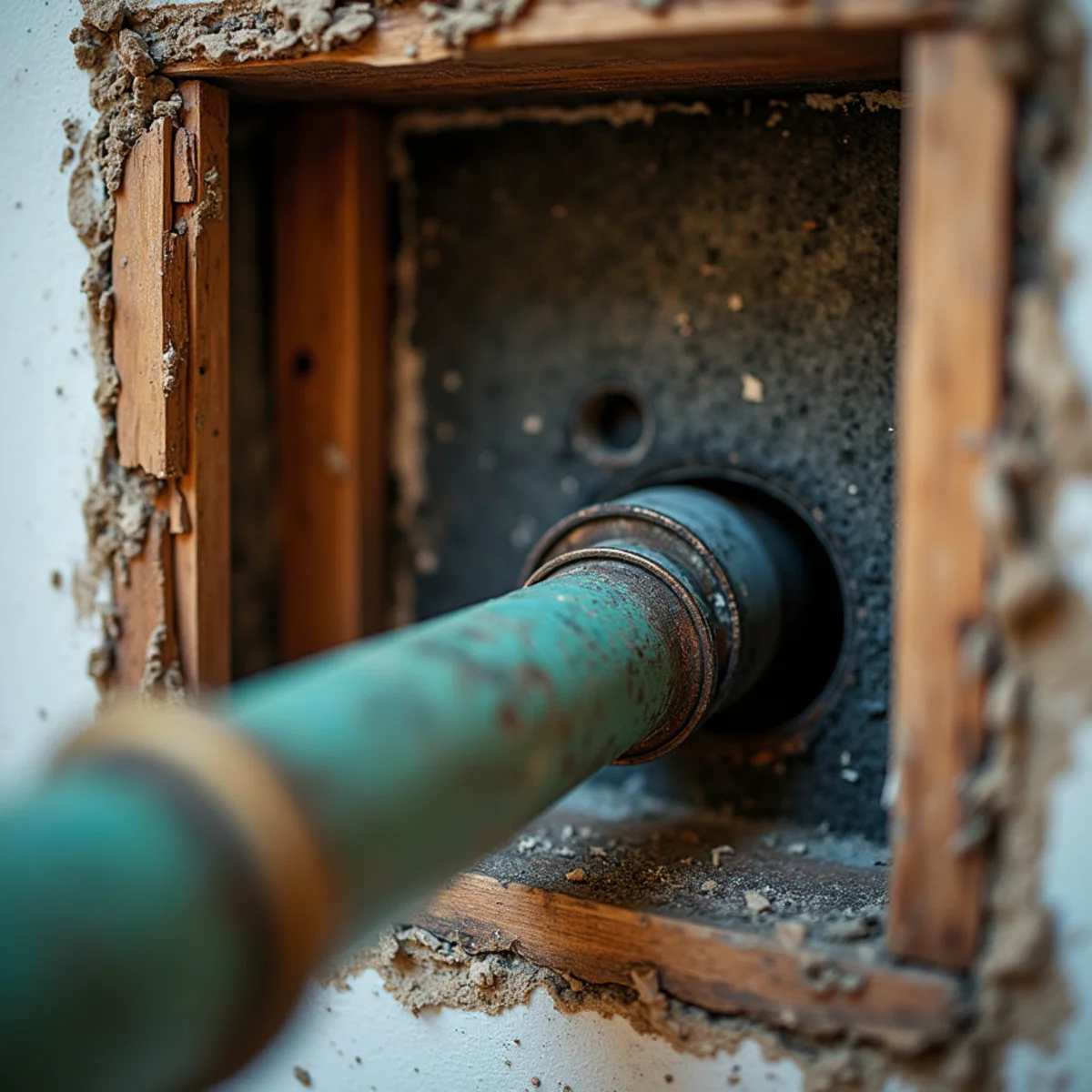
Buena Park is full of the exact homes where slab leaks show up: 1950s and 60s tract houses built on concrete slabs, many still running their original copper plumbing. Decades of hard water and soil movement wear those copper lines thin until they spring a pinhole leak, and because the pipes run through or under the slab, the water has nowhere to go but into your foundation.
The upside is that slab leaks leave clues if you know what to look for. Catch one early and you spare yourself the worst of the slab leak water damage. Here are the warning signs worth watching for.
Your Water Bill Jumps Without Explanation
One of the earliest and most reliable signs is a water bill that climbs for no reason you can name. You haven't filled a pool, planted a lawn, or had guests, yet the bill keeps rising. That extra water is going somewhere, and a slab leak is a common answer.
You can check for yourself. Find your water meter near the curb and note the reading, then don't use any water in the house for a couple of hours. If the meter has moved when you come back, water is flowing somewhere it shouldn't, and a leak under the slab is a strong suspect.
Warm or Hot Spots on the Floor
This one is a giveaway when the leak is on a hot water line, which is common. As hot water escapes under the slab, it warms the concrete above it, creating a patch of floor that feels noticeably warmer than the area around it. You might notice it walking barefoot across tile or hardwood.
If your pets have suddenly claimed a new favorite napping spot on the floor, pay attention to where. Animals gravitate to warmth, and more than one slab leak has been found because the family cat kept curling up on the same warm tile.
The Sound of Running Water When Everything Is Off
Turn off every faucet and appliance, then stand quietly in your home and listen. If you hear water running, trickling, or hissing when nothing should be using water, that sound may be a leak moving through or under the slab.
It's easiest to hear at night when the house is quiet. Put your ear near the floor in different rooms. The sound is often faint, but once you notice it, it's hard to unhear, and it's worth investigating with proper leak detection equipment before it grows.
Cracks and Movement in Floors or Walls
Water escaping under a foundation changes the soil beneath it, and that shifting shows up in the structure above.
- New cracks appearing in tile, or grout that keeps failing.
- Cracks creeping up drywall, especially around door frames and windows.
- Doors and windows that suddenly stick or won't latch the way they used to.
- Floors that feel uneven, or a section that seems to be settling.
Any one of these can have other causes, but several appearing together, especially alongside the water clues above, points toward a slab problem worth checking.
Damp, Warped, or Discolored Flooring
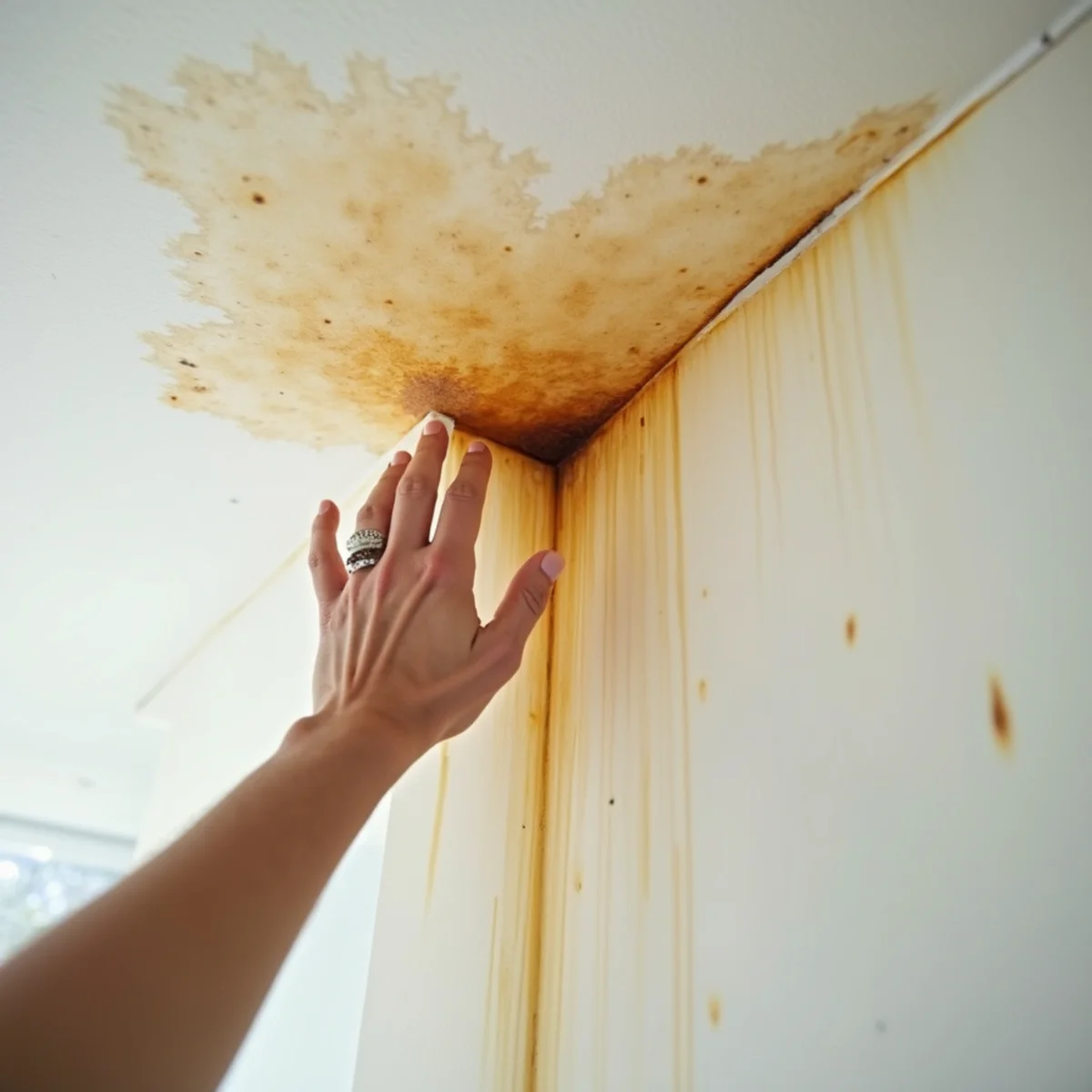
Water rising up through the slab affects whatever is on top of it. Carpet develops damp patches or a musty smell in a specific area. Hardwood cups, warps, or lifts. Tile loosens as the mortar below stays wet. Laminate swells at the seams.
If one part of a room's flooring behaves differently from the rest, taking on moisture while everywhere else stays dry, the slab underneath deserves a look. This is also where a musty, earthy odor often first appears, because moisture trapped in and under the slab is an ideal place for mold to start.
A Persistent Musty Smell or Visible Mold
A slab leak feeds moisture into the dark spaces under your flooring and behind your baseboards, exactly the conditions mold needs. Long before you see it, you may smell it: a damp, earthy odor that lingers in one part of the house and doesn't go away with cleaning.
Mold from a slab leak often hides under carpet pad, beneath cabinets, or inside the bottom of walls. If you're smelling must in a home that's otherwise clean and dry to the eye, treat it as a signal to investigate the slab rather than just cover the smell.
Why Slab Leaks Are So Common in North Orange County
None of this is bad luck. The homes across Buena Park and neighbors like La Mirada and Cerritos were largely built in the same post-war era, on the same concrete slabs, with the same copper plumbing. That copper has now had six or seven decades of hard water flowing through it.
Hard water is mildly corrosive over time, and it slowly eats pinholes through copper pipe walls from the inside. When those pipes run under the slab, a pinhole becomes a slab leak. It's one of the most common calls we get in these neighborhoods, which is also why we're good at finding them quickly.
What to Do if You Suspect a Slab Leak
If two or three of these signs are ringing true, don't wait for certainty. A slab leak only gets more expensive the longer it runs, both in wasted water and in the damage it does to your foundation and floors.
We locate slab leaks without tearing up your whole floor, using thermal imaging, moisture meters, and acoustic listening equipment to pinpoint the source, then handle the slab leak emergency and dry out everything the water reached. We're IICRC-certified, locally owned, and here 24/7 with a roughly 60-minute response target. If your floor has a warm spot or your water bill won't stop climbing, call us at (201) 277-9344 and we'll help you find out what's really going on under your home.
Frequently Asked Questions
Yes. Because the leak is inside or beneath the concrete foundation, there's often no visible water at all early on. It shows up indirectly through a rising water bill, warm floor spots, or a musty smell, which is why knowing the warning signs matters so much.
We use non-invasive tools first: thermal imaging to spot warm water paths, moisture meters to map dampness, and acoustic equipment to listen for the leak through the slab. This lets us pinpoint the location precisely so any access is as small and targeted as possible.
Coverage varies. Many policies help with the resulting water damage and the cost to access the pipe, even when the pipe repair itself isn't covered. It depends on your policy and the cause. Document everything and we can help you navigate the claim with your insurer.
Most local homes were built in the 1950s and 60s on concrete slabs with copper plumbing. Decades of hard water slowly corrode pinholes through the copper from the inside, and because those pipes run under the slab, a small pinhole turns into a slab leak.
It's urgent even if it isn't dramatic. A slab leak wastes water continuously, undermines your foundation, and grows mold in hidden spaces. The sooner it's located and repaired, the less damage and expense you face, so it's worth acting quickly rather than waiting.
Dealing with water damage right now?
Water Damage Buena Park responds 24/7 across Buena Park & North OC.