The worst water damage rarely announces itself with a dramatic flood. More often it seeps quietly — behind a wall, under the slab, above a ceiling — for weeks or months before you notice. By the time the damage is obvious, the repair bill has grown and mold may have moved in.
The good news is that hidden leaks almost always leave clues. Your home tells you something is wrong long before the ceiling caves; you just have to know what to watch and smell and listen for. Catching a leak at the first sign is the difference between a small repair and a major restoration.
Here are ten warning signs we see again and again in Buena Park homes, along with what each one usually means. Many local houses are 1950s and 60s tract homes on concrete slabs with aging copper plumbing, which makes several of these signs especially worth taking seriously.
Why Hidden Leaks Are So Costly Here
Hidden leaks are expensive precisely because they're hidden. Water escaping inside a wall or beneath a slab keeps damaging materials the whole time it goes unnoticed, and it feeds mold, which needs only a day or two of moisture to start growing. What could have been a simple fix becomes a tear-out.
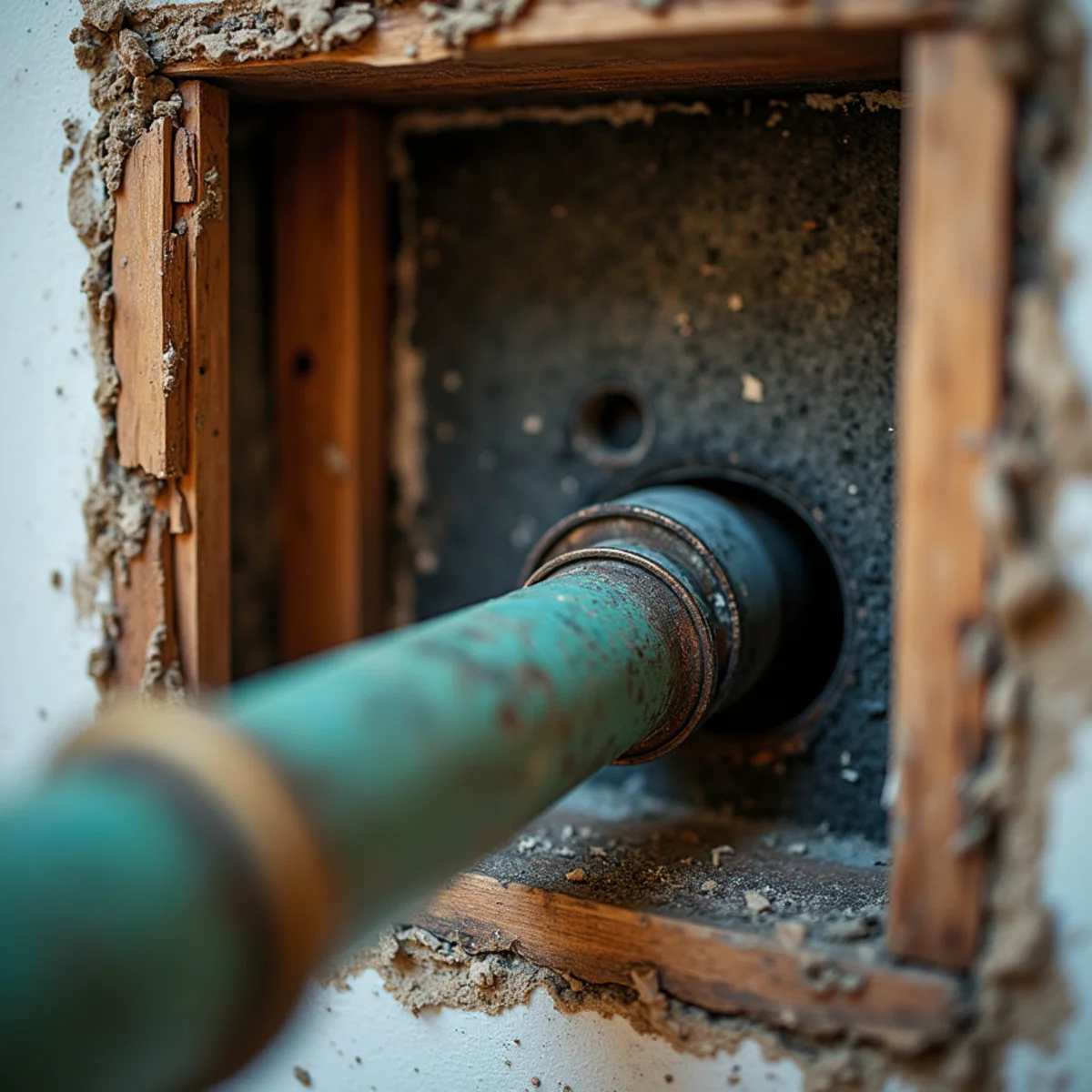
Older North Orange County homes are especially prone to certain leaks. Decades-old copper pipes develop pinhole leaks, and our hard water quietly wears plumbing and shortens water-heater life. When a supply line runs under a concrete slab, a leak there — a slab leak — can go undetected for a long time because the water has nowhere obvious to surface. That's exactly why reading the early signs matters so much.
The 10 Warning Signs at a Glance
If you notice any of these, it's worth investigating right away:
- A water bill that jumps with no change in your usage
- A persistent musty or earthy smell you can't trace
- Mold or mildew spots on walls, ceilings, or baseboards
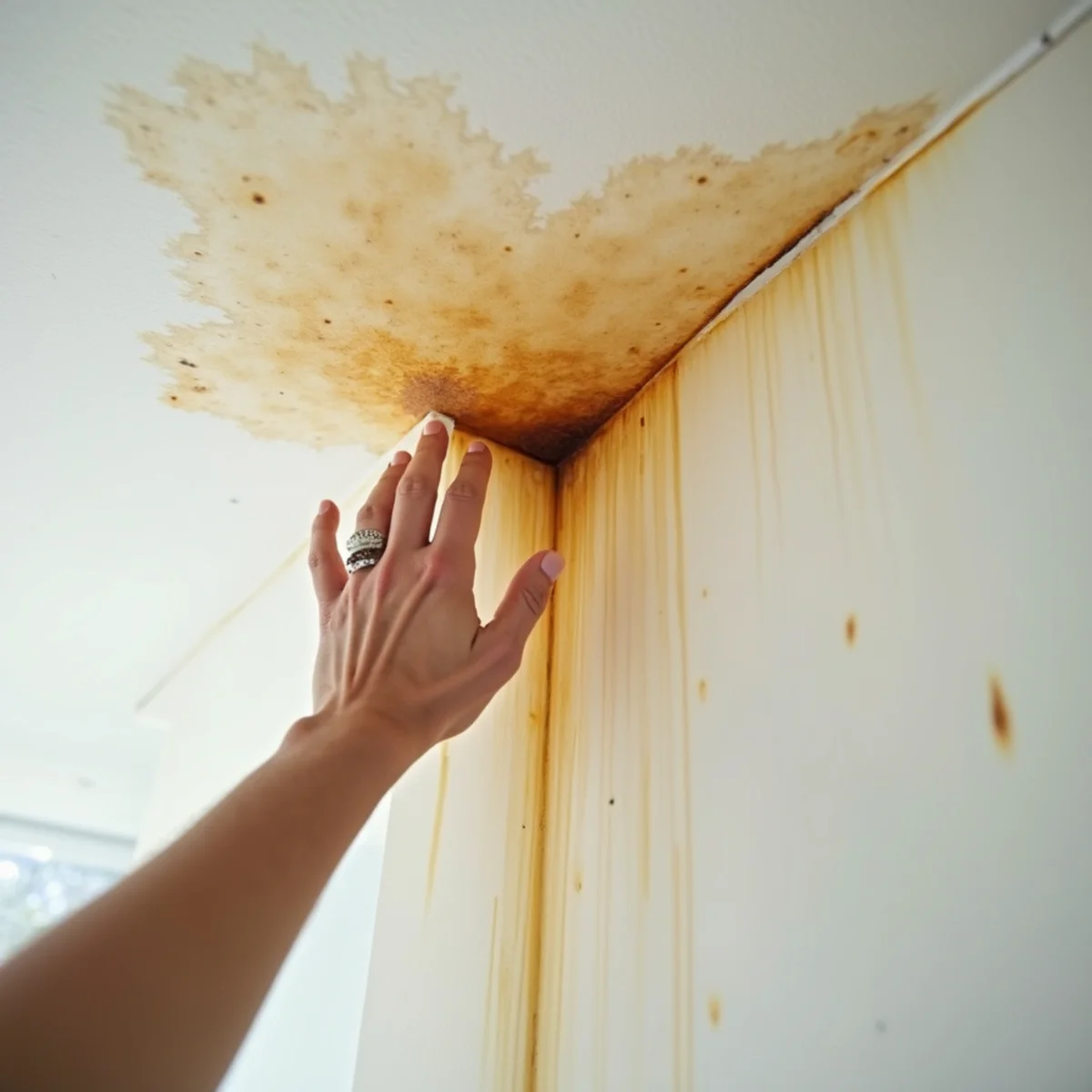
- Stains or discoloration spreading across drywall or ceilings
- Paint or wallpaper that bubbles, peels, or blisters
- A warm spot on the floor, often a sign of a hot-water slab leak
- The sound of running water when every fixture is off
- A drop in water pressure at your faucets and shower
- Cracks appearing in walls, floors, or the foundation
- Damp or unusually humid areas that never quite dry out
Any one of these can point to a hidden leak. Two or more together make it very likely. The sections below unpack the signs that most often trip homeowners up.
Signs 1 and 8: Your Water Bill and Water Pressure
Your water meter is an honest witness. If your bill climbs while your habits haven't, water is going somewhere it shouldn't. You can check for yourself: turn off every water-using fixture and appliance, then watch the meter. If it's still moving, water is flowing somewhere in the system — a strong sign of a hidden leak.
A quiet drop in water pressure points the same direction. When water escapes before it reaches your faucet, less arrives at the tap. If your shower has gone weak or a faucet trickles where it used to run strong, and nothing else explains it, suspect a leak in the supply lines.
Signs 2, 3, and 4: Smells, Mold, and Stains
Your nose often catches a leak before your eyes do. A persistent musty, earthy smell means moisture is feeding mold or mildew somewhere out of sight. If a room smells damp no matter how much you clean, don't cover it with air freshener — track down the source.
Visible mold or mildew on walls, ceilings, or around baseboards is that same problem made visible, and it means moisture has been present for a while. Water stains — yellowish or brown rings that spread across drywall or a ceiling — are a leak's fingerprint. A stain that grows or darkens over days is actively being fed. When mold appears, it's wise to get a mold inspection to find how far it has spread behind the surface.
Signs 6 and 7: Warm Floors and Running Water
These two point specifically at a slab leak, which is common in our area's slab-foundation homes. A warm or hot spot on the floor usually means a hot-water line under the slab is leaking, warming the concrete above it. If one patch of floor is oddly warm underfoot with no appliance nearby, take it seriously.
The sound of running or trickling water when every fixture is off is another slab-leak signature. In a quiet house, put your ear near the floor — a faint hiss or rush of water moving through a pipe that shouldn't be flowing is a clear warning. Slab leaks rarely fix themselves, and our slab leak repair service exists precisely because these are hard to locate without the right tools.
Signs 5, 9, and 10: Paint, Cracks, and Damp Spots
Paint and wallpaper react to moisture trapped behind them. When water saturates drywall, the surface can't hold its finish — paint bubbles, wallpaper peels at the seams, and the wall may feel soft or cool to the touch. Blistering paint in a spot with no obvious water source usually means moisture is working from the inside out.
New cracks in walls, floors, or the foundation can signal a leak too, especially a slab leak, because escaping water shifts the soil and moves the foundation slightly. And any area that stays damp or humid when the rest of the house is dry — a perpetually clammy corner, a cabinet base that never dries — is telling you water is present. Aging copper is a frequent culprit, and catching a pinhole leak early can spare you a wall tear-out.
What to Do When You Spot the Signs
Don't wait to see if it gets worse — it will. The moment you suspect a hidden leak, shut off the water to the affected area if you can, and get the source located. Guessing where a hidden leak lives, and opening walls to find out, does more damage than the leak itself when you're wrong.
This is where professional leak detection earns its place. Using thermal imaging and acoustic equipment, we pinpoint a hidden leak without tearing your home apart, then address the water damage it left behind. We help homeowners catch these early across Buena Park and nearby cities like La Palma and Cypress — and the earlier you call, the smaller the repair tends to be.
Frequently Asked Questions
Dealing with water damage right now?
Water Damage Buena Park responds 24/7 across Buena Park & North OC.