Southern California packs most of its rain into a few winter months, and after a long dry stretch, that first real storm finds every weakness a home has. A clogged gutter, a tired roof, a low spot in the yard, none of it matters in July. All of it matters in December.
The upside is that rain-season water damage is largely preventable. An hour or two of maintenance in the fall heads off the problems we get called about every winter, and it costs a fraction of a restoration bill.
Use this annual checklist to get your Buena Park home ready before the clouds roll in. Work through it once each fall, ideally before the first storm, and you will have covered the areas where water most often gets in.
Start at the Roof
Your roof is the first line of defense, and it takes a beating from our fall Santa Ana winds before the rain even arrives. Give it a careful look while the weather is still dry.
- Check for missing, cracked, or lifted shingles and tiles, especially after a windy stretch.
- Inspect the flashing around chimneys, vents, and skylights, where leaks commonly begin.
- Look for damaged or separated seals around any roof penetration.
- From inside, scan attic sheathing for stains or daylight showing through.
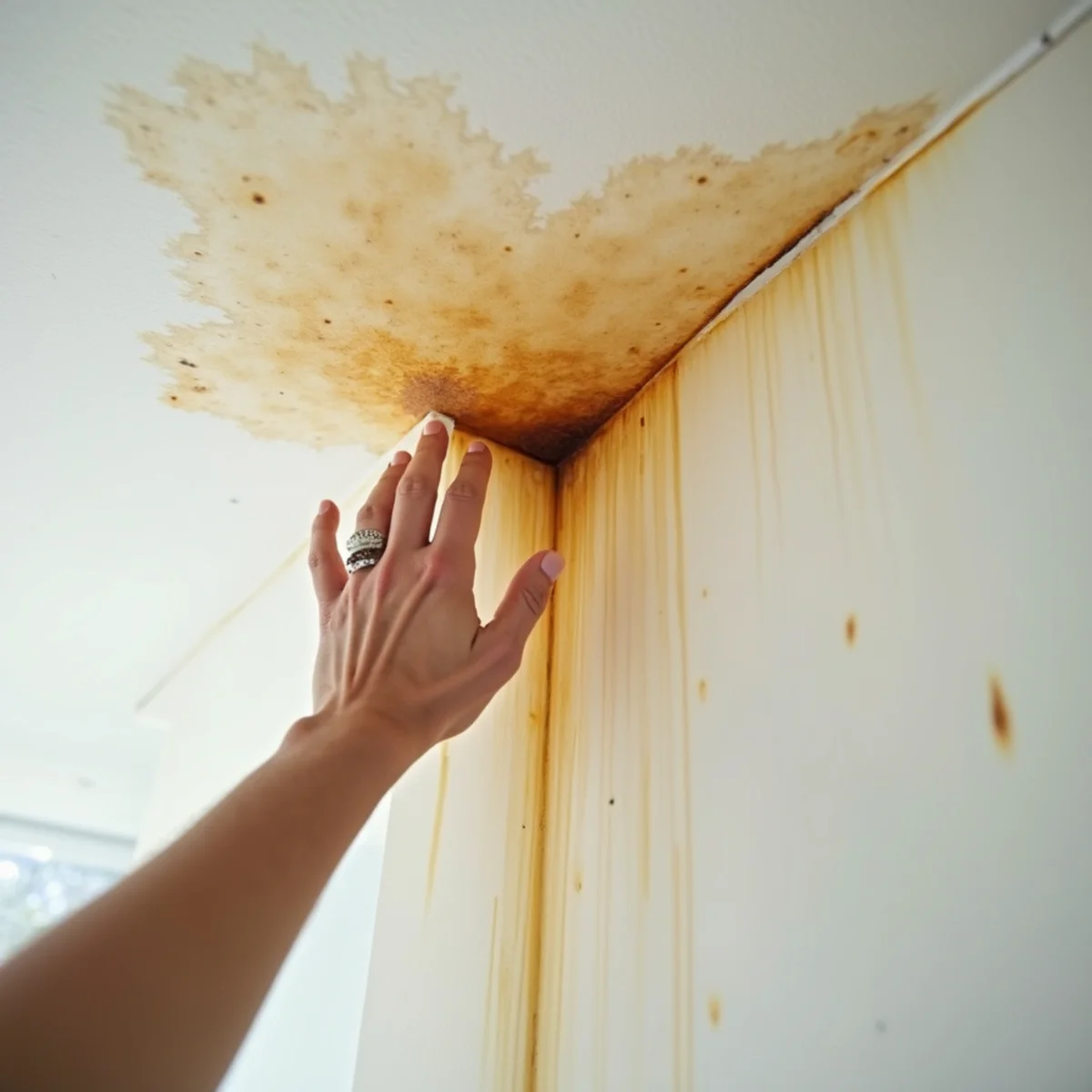
If you spot a problem, address it before the rain, not during it. A small roof issue becomes an active roof leak and ceiling water damage the moment a storm sits over the house for a day.
Clear the Gutters and Downspouts
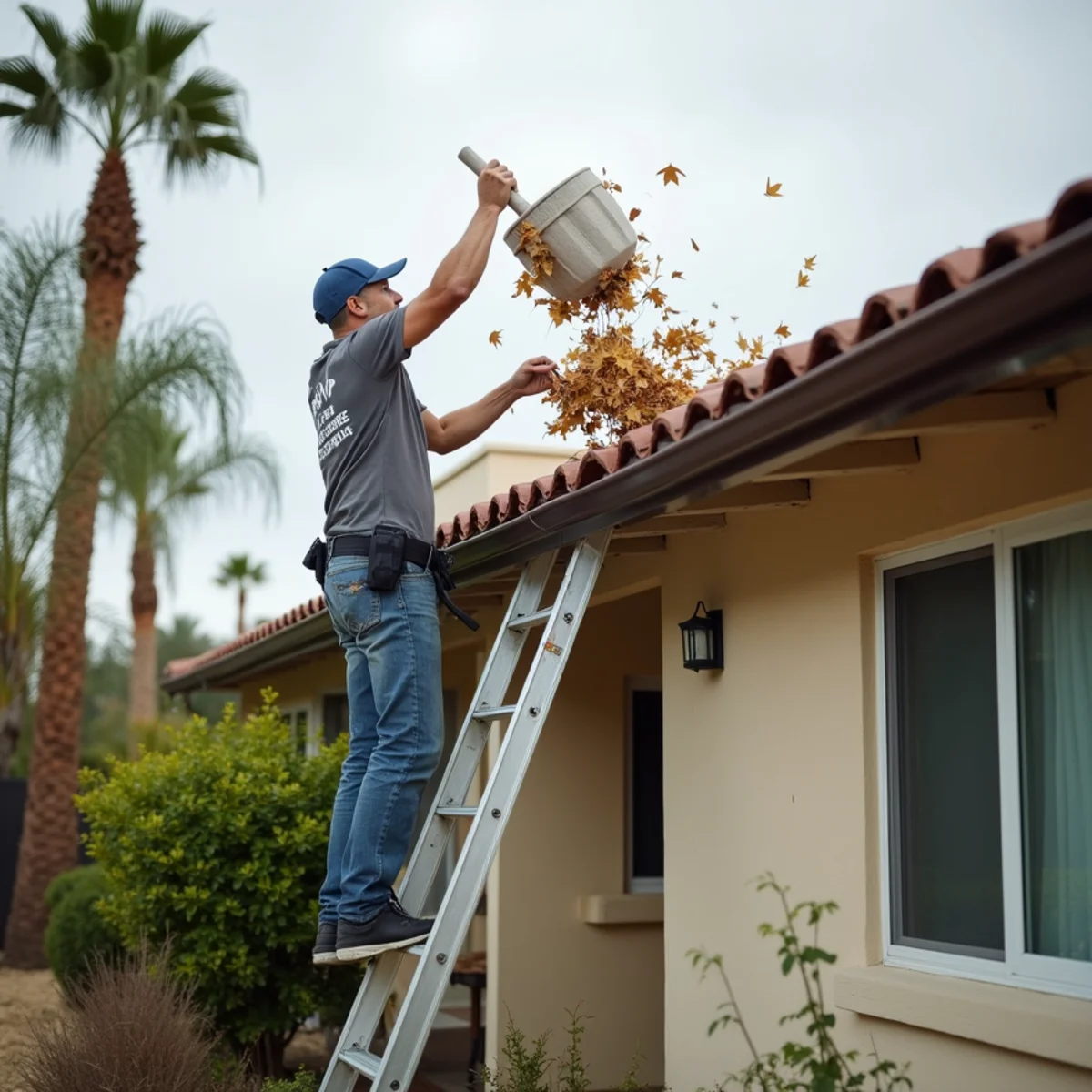
Gutters are simple, which is why they get ignored, and they cause more preventable water damage than almost anything else on this list. After the dry season, they are usually full of dust, leaves, and debris.
- Clean out all gutters so water can flow freely.
- Flush downspouts and confirm they drain fully.
- Aim downspout extensions so water discharges at least a few feet from the foundation.
- Re-secure any sagging or pulled-away sections.
When gutters overflow, water sheets down exterior walls and pools at the foundation. On a slab home, that is a direct path toward interior water intrusion and, eventually, mold.
Grade the Yard and Manage Drainage
Water follows gravity, and where it collects around your home matters. The soil next to your foundation should slope away from the house, not toward it. Over years, landscaping and settling can quietly reverse that.
- Walk the perimeter and look for low spots where water would pool against the foundation.
- Add soil to build a gentle slope away from the house where needed.
- Clear any yard drains, area drains, and swales so they are not blocked by mulch or debris.
- Trim back plantings that trap moisture against exterior walls.
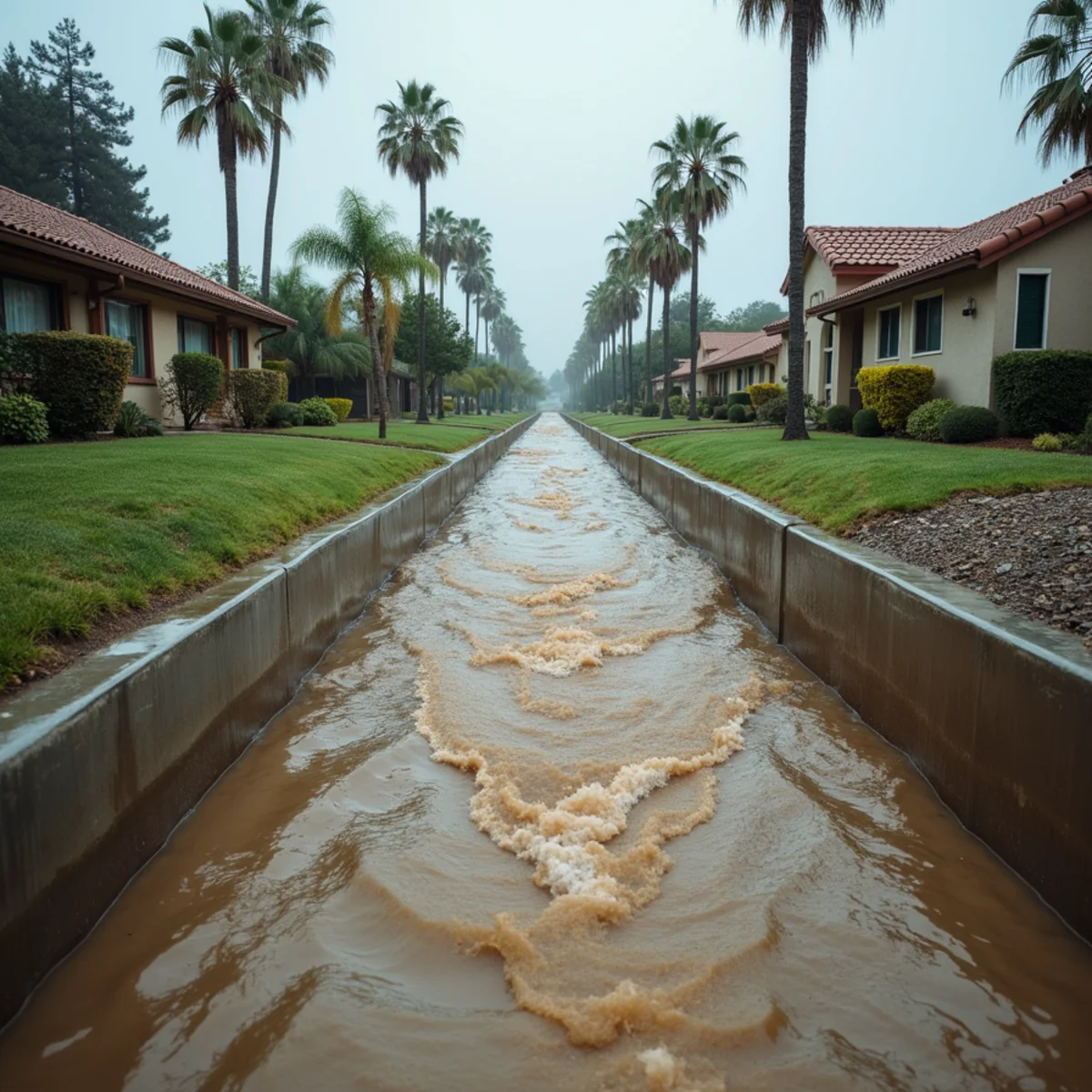
This step matters most for homes near natural drainage paths. If you live close to a channel or creek, poor grading turns a heavy storm into standing water against your walls.
Seal Windows, Doors, and Exterior Gaps
Wind-driven rain finds gaps that a calm drizzle never would, and our storms often arrive with wind. A few minutes with caulk and weatherstripping closes the easy entry points.
- Inspect and re-caulk around window and door frames where the seal has cracked or shrunk.
- Replace worn weatherstripping on exterior doors.
- Check that garage door seals still meet the ground, since garages flood easily in a hard rain.
- Seal gaps where pipes, cables, or vents pass through exterior walls.
These small openings are exactly where water sneaks in during a storm. Sealing them is cheap insurance against a wet wall or a flooded garage.
Check Your Interior Plumbing and Appliances
Rain is not the only winter risk. Cooler weather and holiday houseguests put extra strain on plumbing and appliances, and a failure indoors during a storm is a double headache.
- Inspect supply lines to the washing machine, dishwasher, and refrigerator, replacing any that are cracked or brittle.
- Check under sinks and around the water heater for corrosion or early drips.
- Know where your main water shutoff is and confirm it turns easily.
- Test your sump pump, if you have one, before you need it.
In our older housing stock, aging supply lines and water heaters are a frequent cause of indoor flooding. If a heater is well past its prime, addressing it now beats dealing with a water heater leak in January.
Prepare for the Storm You Cannot Prevent
Some storms overwhelm even a well-prepared home, so it is worth having a plan for the water you cannot keep out. A little readiness turns a crisis into a manageable event.
- Keep a few sandbags or flood barriers on hand if you live in a low-lying or flood-prone area.
- Store important documents and valuables off the floor and in waterproof containers.
- Save a trusted restoration number before you need it, so you are not searching mid-emergency.
- Know your insurance coverage and what your policy requires you to document.
If a storm does get the better of your defenses, a fast response limits the damage. Our storm damage restoration crews serve Buena Park and neighbors like Brea around the clock, and reaching us quickly is the single biggest factor in how much of your home we can save.
Frequently Asked Questions
Aim for early to mid fall, before the first significant storm. In Southern California that usually means finishing this work by October or early November, while the weather is still dry and repairs are easy to make.
Clearing gutters and downspouts, then confirming water drains away from your foundation. Overflowing gutters and poor drainage cause a large share of the preventable storm damage we see, and both are quick and inexpensive to fix.
Yes. Aging supply lines, water heaters, and appliance hoses fail year-round, and a leak during a storm is far harder to deal with. A quick inspection now, plus knowing where your main shutoff is, prevents a lot of grief.
Shut off the water source if it is a plumbing issue, move belongings out of the water, document everything with photos, and call a professional quickly. Fast extraction and drying limit both structural damage and mold growth.
Dealing with water damage right now?
Water Damage Buena Park responds 24/7 across Buena Park & North OC.