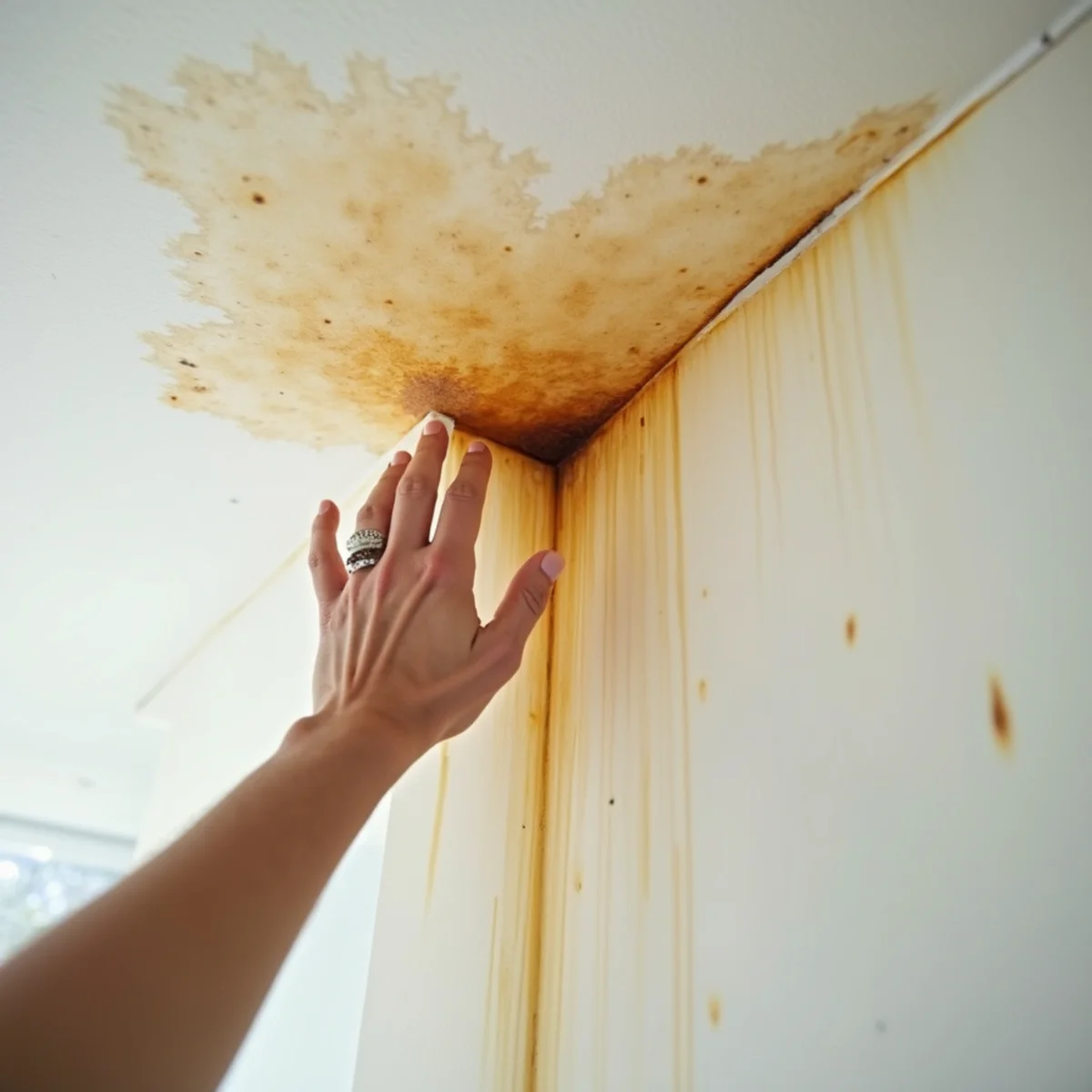
Placentia is a quiet, settled town of tree-lined tracts, most of them built in the 1960s and 70s. Homes from that era sit on slabs and were plumbed with copper that is now well past middle age. The most common call we take here is not a dramatic flood but a slow leak that has been working behind a wall or under the floor for weeks before the homeowner notices the warped baseboard or the musty smell.
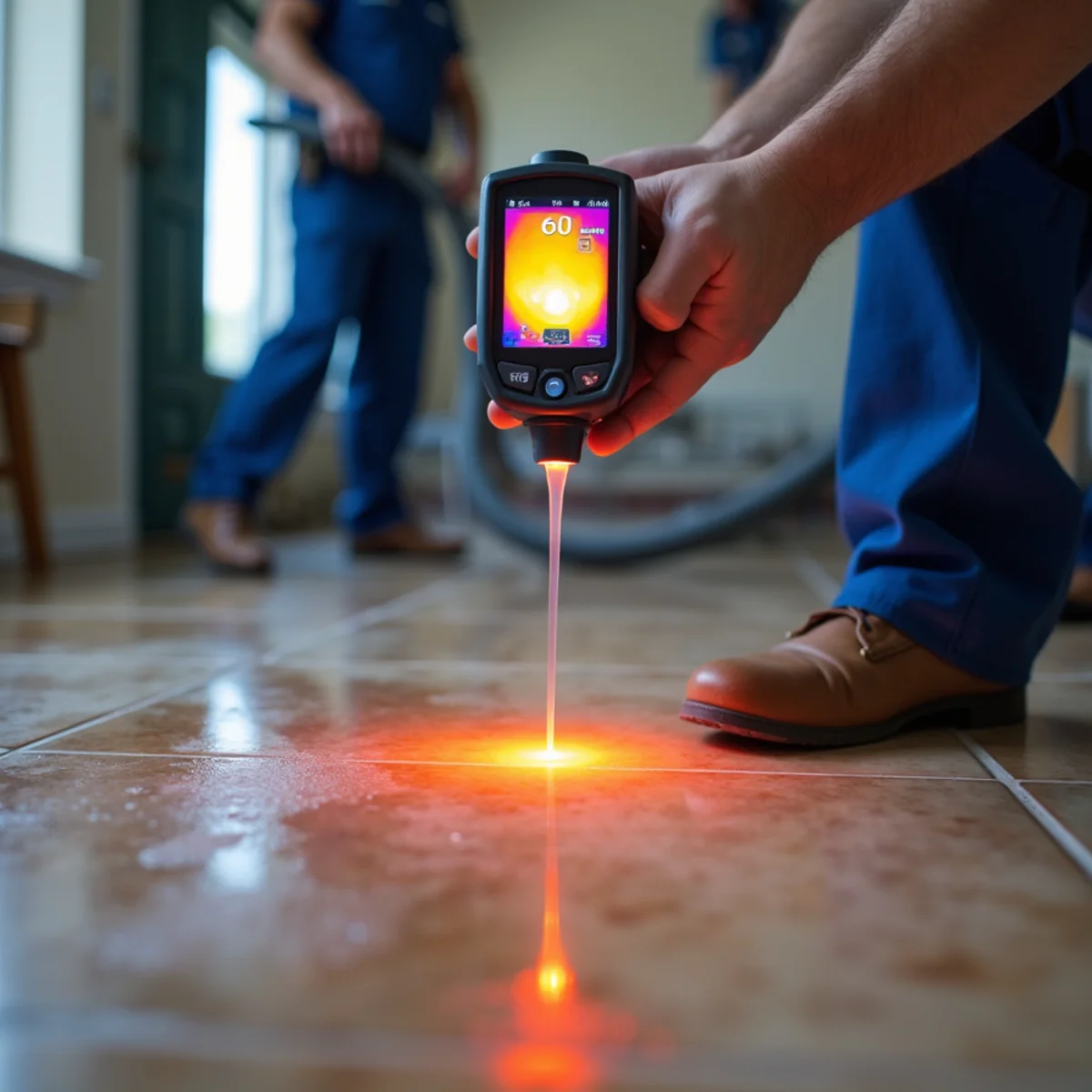
That slow-burn pattern is exactly why hidden moisture matters so much in Placentia. Surface-dry is not the same as structurally dry. We map dampness inside walls and under flooring with moisture meters and thermal imaging, because a wall that feels fine to the touch can still be wet enough behind the drywall to grow mold within a couple of days.
Old Town Placentia and the neighborhoods around Tri-City Park and Kraemer Boulevard are largely single-family and owner-occupied, the kind of homes people have lived in for decades and plan to keep. We treat them that way, drying in place and saving finishes wherever the moisture was caught in time rather than defaulting to demolition.
We are IICRC-certified, licensed, and insured, and locally owned. When you call our 24/7 line, a real person answers, helps you find the shutoff if the water is still running, and sends a crew your way. We document each reading and bill your insurer directly where your policy allows, so the claim is one less thing you have to manage.
Common Causes of Water Damage in Placentia
Every neighborhood has its own risk profile. In Placentia, CA, these are the water damage calls we see most often:
- 1960s and 70s slab tracts with aging copper that produces slow, hidden leaks
- Long-owned homes running original water heaters and supply lines
- Hard water corrosion driving pinhole leaks behind walls and under slabs
- Slab leaks that surface as loose tile or a warm spot on wood floors
- Quiet occupancy that lets a leak run undetected while owners are away
- Rainy-season runoff pooling on flat residential streets and driveways
Fast, Local Response to Placentia
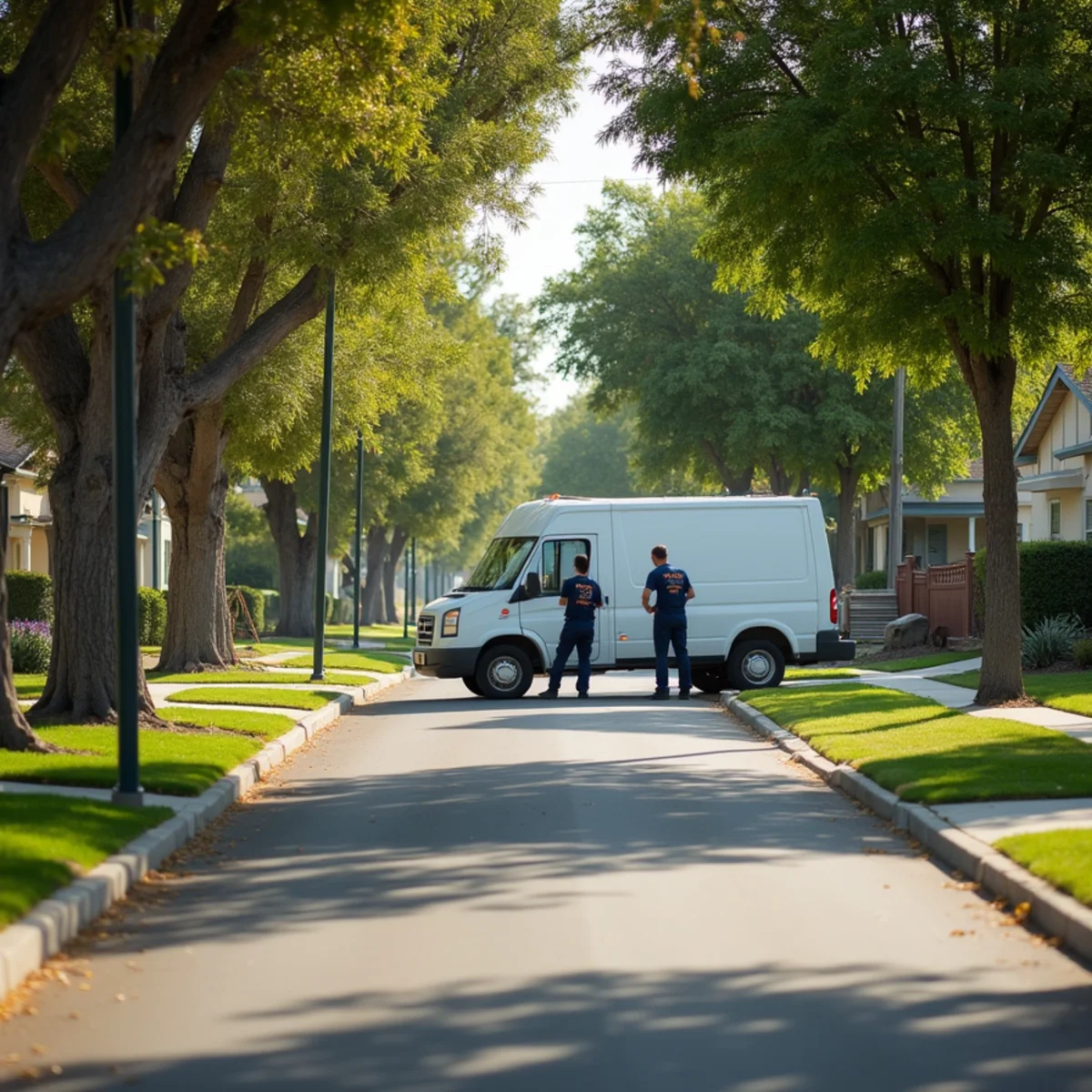
Placentia is a short hop east of Buena Park by way of the SR-91 and Kraemer Boulevard, putting a crew at most homes in roughly 18 to 20 minutes.
We regularly work near Old Town Placentia, Tri-City Park, Alta Vista Country Club, and Kraemer Memorial Park — and everywhere in between. If you're in the area and water is spreading, we can be on our way quickly.
How We Restore Water-Damaged Homes in Placentia
- 1
Emergency Contact & Rapid Assessment
A real person answers your call 24/7 — never a voicemail. We ask a few quick questions to gauge severity, then dispatch a crew immediately. While you wait, we'll walk you through shutting off the water and safely documenting the damage for your insurer.
- 2
Water Extraction
Our technicians arrive with truck-mounted and portable extraction units to pull out standing water fast — the single biggest factor in limiting damage. We move furniture and belongings to dry areas and stop the spread before it reaches new rooms.
- 3
Drying & Dehumidification
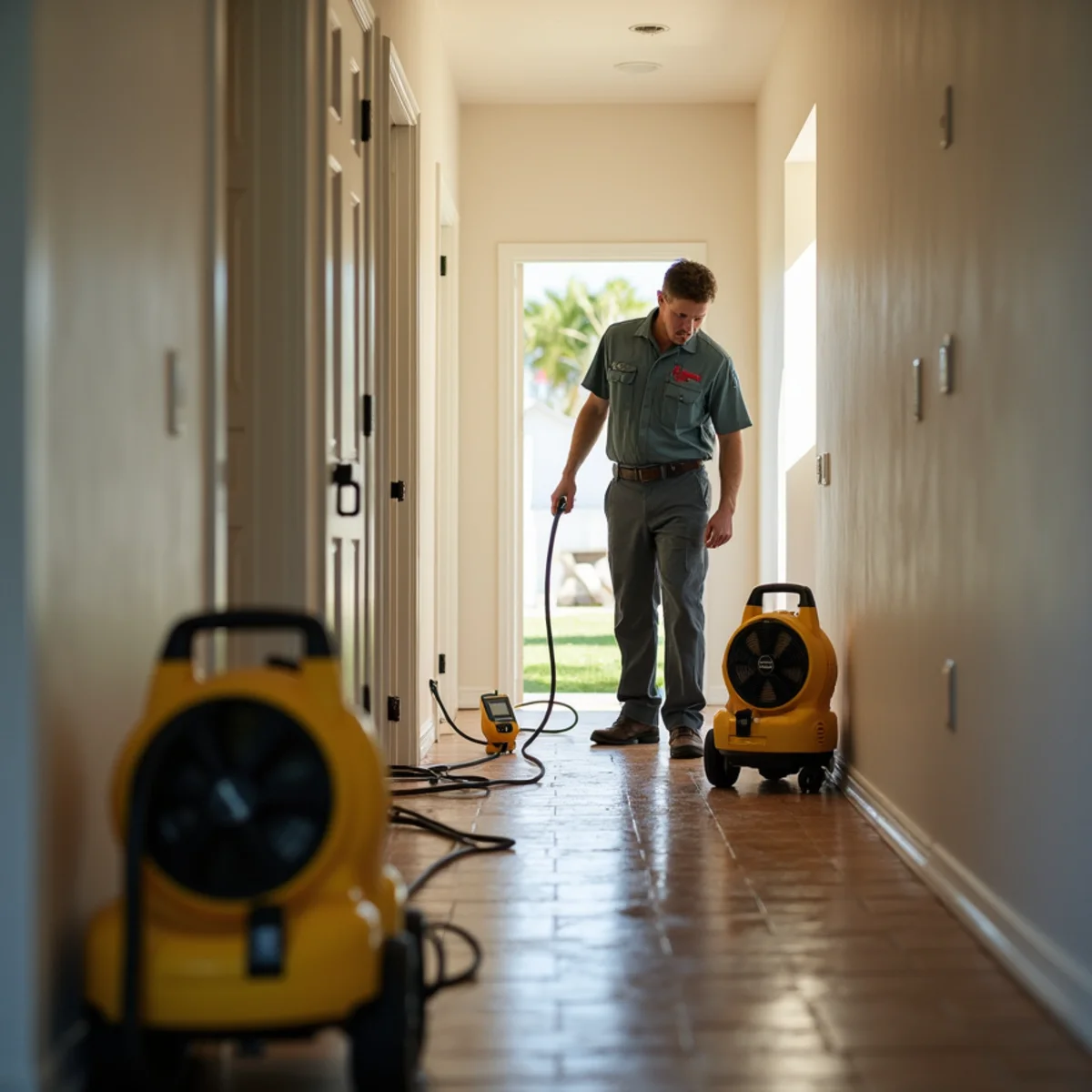
We position industrial air movers and dehumidifiers to dry structural materials from the inside out, then monitor moisture daily with professional meters and thermal imaging so hidden dampness behind walls and under floors doesn't turn into mold.
- 4
Cleaning & Sanitizing
Every affected surface is cleaned with antimicrobial and anti-fungal treatments. For gray- and black-water losses we follow strict IICRC S500 containment, PPE, and disposal protocols to keep your home safe.
- 5
Restoration & Reconstruction
Once your property is dry, we repair or replace drywall, flooring, cabinetry, and paint — and put it back the way it was. One company handles the whole job, from the first extraction to the final coat of paint, so you're never juggling three contractors.
Serving Placentia, CA — 24/7
Certified crews on standby. Free inspection, insurance handled.
Placentia Water Damage FAQs
Yes, that is one of the most frequent things we do in Placentia. We combine moisture meters, thermal imaging, and, for suspected slab leaks, acoustic listening equipment to pinpoint where water is escaping without tearing your home apart. Finding it precisely is what keeps any access small and targeted instead of exploratory.
Looks are exactly the problem with slow leaks. We take moisture readings inside the wall and compare them to a dry reference area in the same home, and we recheck daily as the equipment runs. A wall is dry when the numbers say so, not when the surface feels dry to the hand. That distinction is what prevents mold from setting up behind the drywall.
We try to save them. When a slab leak or slow drip is caught before the material breaks down, we can often dry hardwood, tile, and the subfloor in place with targeted airflow. If a section is too far gone, we tell you honestly and remove only what must go. Owner-occupied Placentia homes are worth the extra effort to preserve.
It depends on the cause. Sudden, accidental damage is often covered, while long-term seepage from a maintenance issue may not be. We document the source and the damage carefully so the claim reflects what actually happened, and during the free inspection we give you a straight read on where your situation is likely to land.
Around Old Town Placentia and the surrounding postwar tracts, many homes still run original copper and galvanized plumbing beneath concrete slabs. That mix makes slab leaks and pinhole leaks a recurring problem, and they often hide until a floor feels warm or the water bill jumps. We pinpoint the leak in your Placentia home with electronic detection, keep the slab work minimal, and dry the surrounding flooring and walls to the IICRC S500 standard.
They do, just from different sources. The newer two-story homes on Placentia's east side often have upstairs laundry and several bathrooms, so a failed washing-machine hose or supply line up top carries water down through the ceiling into the rooms below. We map the full path in your Placentia home with thermal imaging and dry both levels at once, then confirm with moisture meters that nothing is left damp inside the ceiling or walls.