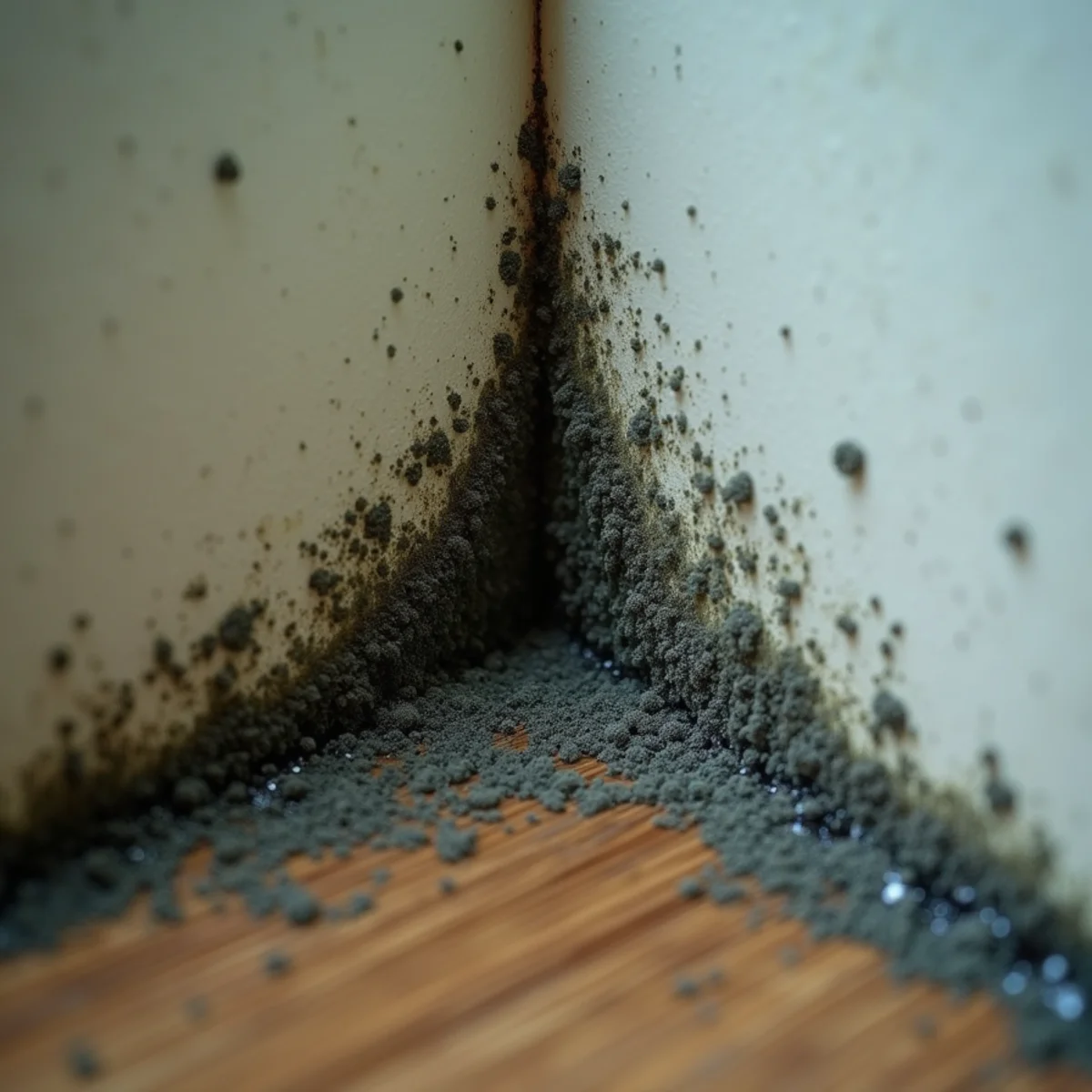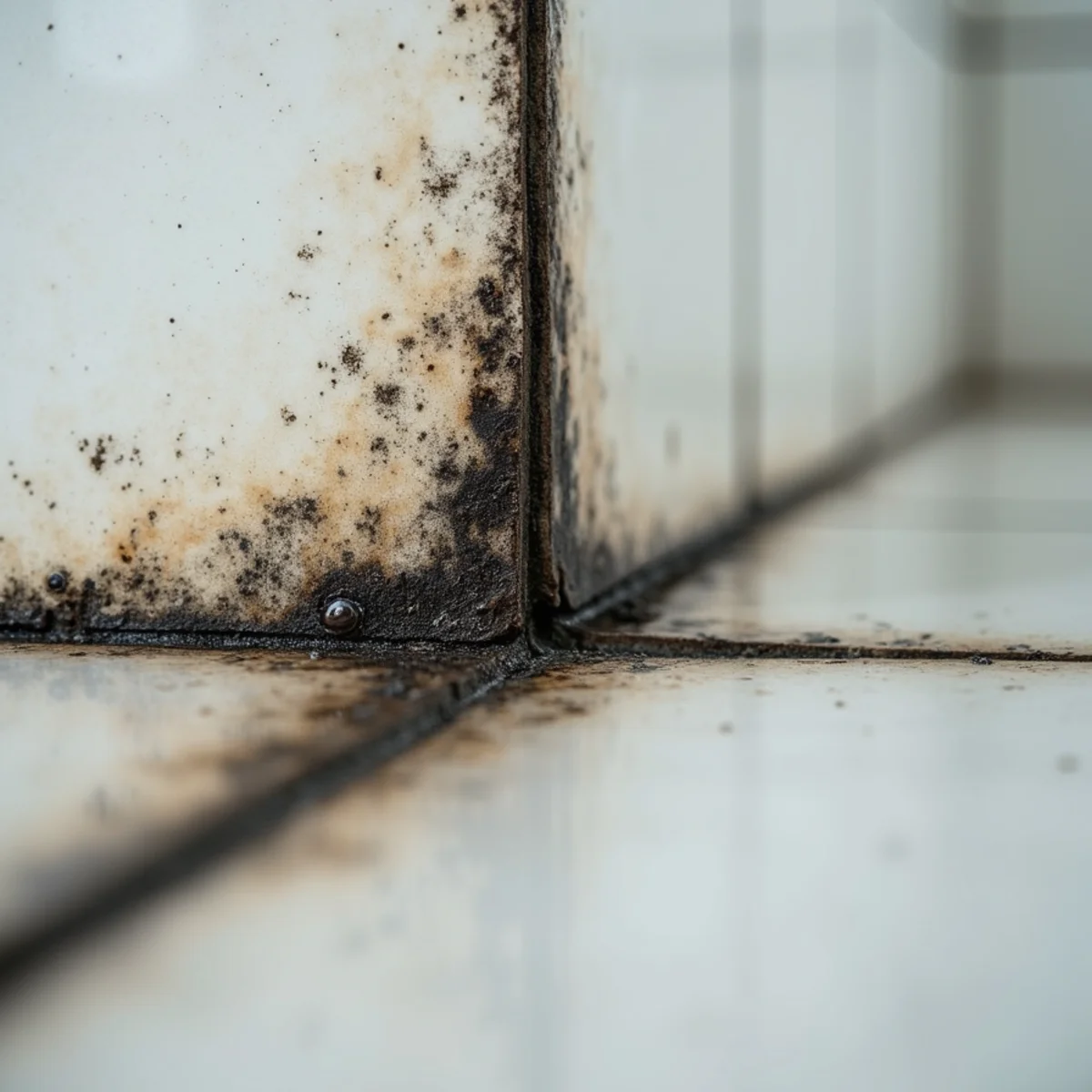
Mold is unsettling to find because it means moisture has been at work somewhere you could not see, sometimes for weeks. Maybe you noticed a musty smell, a dark patch behind furniture, or symptoms that ease when you leave the house. Finding it is actually the good news, because it means you can now deal with the cause instead of living with it.
The mistake most people make is treating the spots and ignoring the water. Mold is a symptom; moisture is the disease. Bleach the surface and skip the source, and it comes back in the same place within weeks. Worse, disturbing mold without containment sends spores through the rest of the house, spreading a small problem into several rooms.
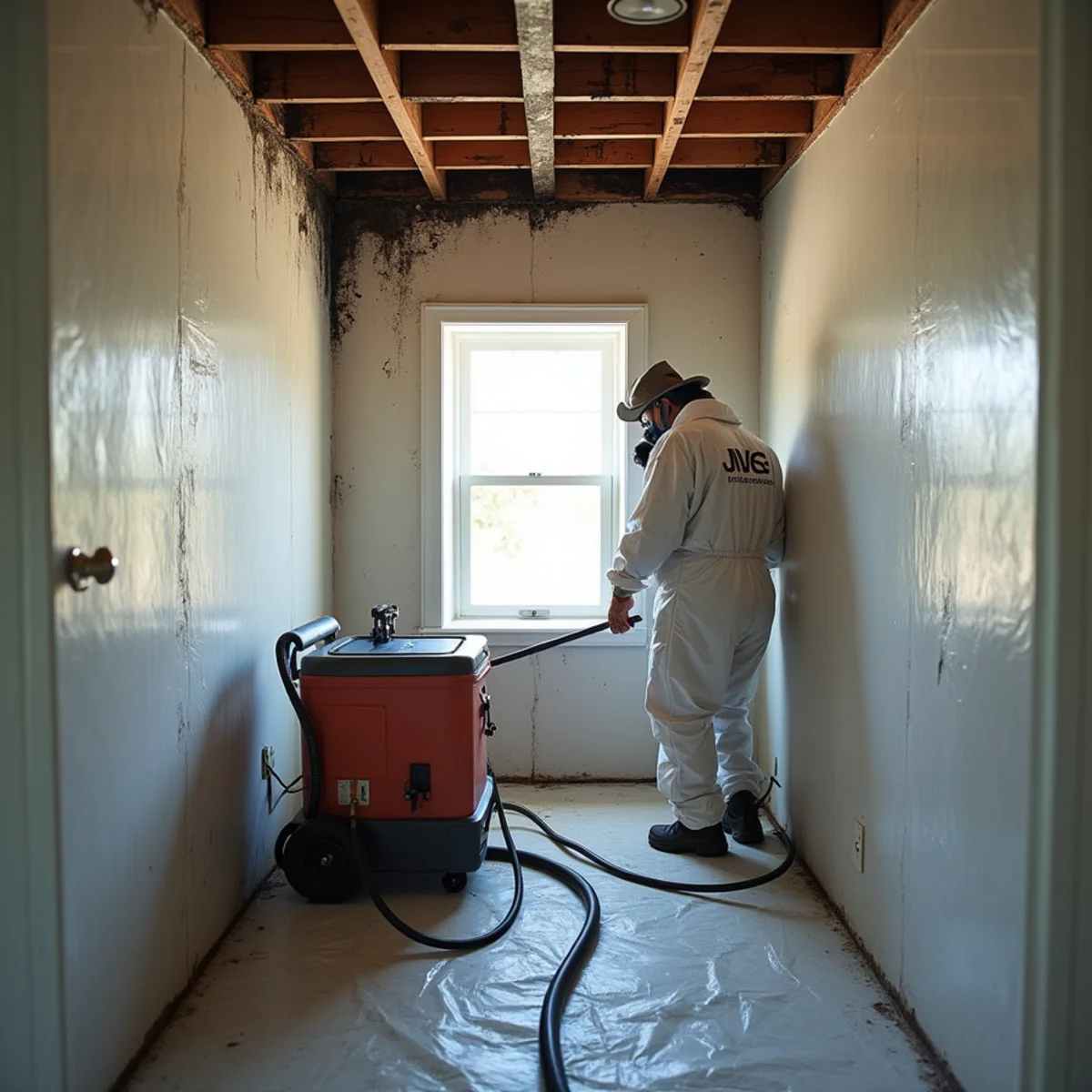
We remediate mold the way it should be done: find and fix the moisture source, seal off the work area with containment and negative air, remove the affected materials safely, and treat what remains. We follow the IICRC S520 remediation standard, so the process is about actually removing the mold, not just cleaning what shows. Then we correct the leak or humidity that fed it so it does not return.
If you suspect mold in your Buena Park home, start with a free inspection. Call our 24/7 line and we will assess the extent and the source before recommending any work.
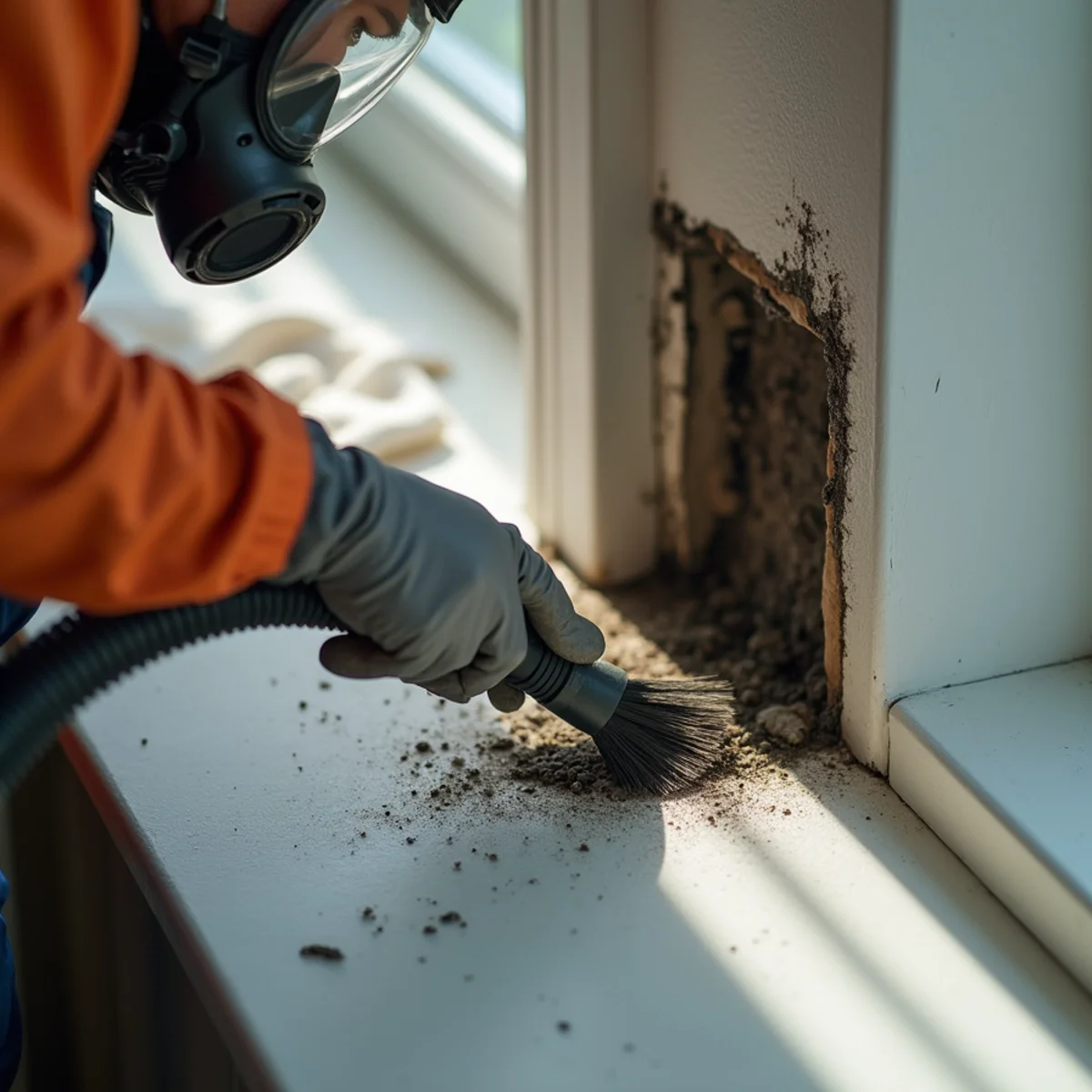
Signs You Need Mold Removal & Remediation in Buena Park
Water damage rarely announces itself politely. Here's what tends to signal that it's time to call a professional:
- A persistent musty or earthy smell, especially in one area
- Visible mold in black, green, gray, or white patches on walls or ceilings
- Discoloration or staining that keeps coming back after cleaning
- Worsening allergy or respiratory symptoms indoors that ease when you leave
- Warped, bubbling, or peeling paint and wallpaper
- A past water leak or flood that was never fully dried
- Condensation, high humidity, or fogged windows in a room
What's Included in Our Mold Removal & Remediation
Mold Removal & Remediation with us is a complete, done-for-you service — not a partial fix that leaves you chasing other contractors. Here's what a typical job includes:
- Containment chambers built with plastic sheeting and zippered access
- Negative air pressure maintained with HEPA-filtered air scrubbers
- Removal of mold-infested drywall, insulation, and porous materials
- HEPA vacuuming and damp-wiping of remaining framing surfaces
- Antimicrobial treatment applied to cleaned structural surfaces
- Correction of the moisture source feeding the mold
- Air movers and dehumidifiers drying the contained area
- Guidance on independent post-remediation clearance testing
Why This Matters in Buena Park & North OC
Southern California's dry climate fools people into thinking mold is not a local problem, but it thrives on hidden moisture regardless of the weather outside. In Buena Park, that moisture usually comes from a slow plumbing leak, a past water loss that was dried incompletely, or condensation around HVAC and water heaters. We trace the dampness to its source rather than assuming the air is to blame.
The slab foundations under most local homes can wick ground moisture into the base of walls, and older tract-home construction was not built with today's vapor barriers. That combination feeds mold low on walls and behind baseboards, where it hides. We check those zones specifically because that is where slab-home mold tends to start.
In Buena Park's many condos and apartments, an upstairs leak that was patched but not properly dried often reveals itself later as mold in the unit below. We handle these shared-wall situations with containment so remediation in one unit does not push spores into the next.
Our Mold Removal & Remediation Process
Our remediation follows a set order, from identifying and stopping the moisture to containing the area, removing and treating affected materials, and verifying the result, because skipping any step invites the mold back.
- 1
Emergency Contact & Rapid Assessment
A real person answers your call 24/7 — never a voicemail. We ask a few quick questions to gauge severity, then dispatch a crew immediately. While you wait, we'll walk you through shutting off the water and safely documenting the damage for your insurer.
- 2
Water Extraction
Our technicians arrive with truck-mounted and portable extraction units to pull out standing water fast — the single biggest factor in limiting damage. We move furniture and belongings to dry areas and stop the spread before it reaches new rooms.
- 3
Drying & Dehumidification
We position industrial air movers and dehumidifiers to dry structural materials from the inside out, then monitor moisture daily with professional meters and thermal imaging so hidden dampness behind walls and under floors doesn't turn into mold.
- 4
Cleaning & Sanitizing
Every affected surface is cleaned with antimicrobial and anti-fungal treatments. For gray- and black-water losses we follow strict IICRC S500 containment, PPE, and disposal protocols to keep your home safe.
- 5
Restoration & Reconstruction
Once your property is dry, we repair or replace drywall, flooring, cabinetry, and paint — and put it back the way it was. One company handles the whole job, from the first extraction to the final coat of paint, so you're never juggling three contractors.
Water Damage Categories We Handle
Not all water is equal. During our assessment we classify the loss so it's treated safely and correctly — this also matters for your insurance claim.
| Category | Typical Sources | How We Handle It |
|---|---|---|
| Category 1 — Clean Water | Broken supply line, sink overflow, rainwater | Fast extraction, drying, and sanitizing. Porous materials like carpet and drywall can often be saved if they're dried within 24–48 hours. |
| Category 2 — Gray Water | Washing machine or dishwasher discharge, toilet overflow (urine only) | Extraction, removal of contaminated porous materials, antimicrobial treatment, and enhanced drying. Technicians work in full PPE. |
| Category 3 — Black Water | Sewage backup, floodwater, toilet overflow with solids | Full containment, removal and disposal of all affected porous materials, heavy-duty sanitization, HEPA filtration, and full PPE per IICRC S500. |
What Affects the Cost of Mold Removal & Remediation
We give you a clear, upfront estimate after a free on-site assessment — no guessing, no fake numbers. The final figure depends on factors like:
- The size of the affected area and how many rooms are involved
- Where the mold is, whether on the surface, inside walls, in HVAC, or under flooring
- The moisture source and what it takes to correct it
- Containment and negative-air requirements to prevent spread
- Materials that must be removed versus cleaned and treated
- Any testing or post-remediation verification requested
- Reconstruction to replace removed drywall, trim, or flooring
Because we document everything to insurer standards, most of this is typically handled through your homeowner's claim — and we bill your insurance directly.
Need help right now?
Certified crews on standby, 24/7. We'll be there fast.
Mold Removal & Remediation FAQs
Bleach may lighten a surface stain, but it does not address mold that has grown into porous materials like drywall or wood, and it does nothing about the moisture feeding it. Surface cleaning without fixing the source almost always leads to regrowth. Proper remediation removes the affected material and corrects the water problem so it does not come back.
Yes. So-called black mold is remediated the same careful way as other molds, with containment, safe removal, and source correction, because our process does not change based on color. What matters is the extent of growth and the moisture behind it, not the species alone. If you want the type identified, we can coordinate independent testing.
Testing is useful in some cases, such as confirming a suspected hidden problem, identifying the type, or verifying the work afterward, but it is not always necessary. If you can see or smell mold, the priority is finding the moisture and remediating, not spending first on a test that tells you what you already know. For an unbiased result, testing should be done by a party separate from the company doing the removal, and we are glad to work that way.
By treating the cause, not just the growth. We find and stop the moisture source, whether a leak, poor drainage, or a humidity problem, before we finish, then remove the materials the mold colonized and treat what stays. Mold cannot regrow without moisture, so correcting the water is what makes the fix permanent.
Mold only returns if the moisture that fed it returns, so we treat the water source as part of the job, not an afterthought. We set up containment and negative air to keep spores from spreading, remove affected materials, HEPA-vacuum, and apply an antimicrobial, then dry the cavity until moisture readings are normal. Fix the leak and control the humidity, and it stays gone.