A sewage backup is one of the worst things that can come up through a drain, and it is genuinely a health hazard, not just a mess. If wastewater is coming up in a tub, toilet, or floor drain, the most important thing is to keep everyone away from it and stop using water in the house. This is not a cleanup to tackle with a mop and a bucket.
Sewage is Category 3 water, the most contaminated classification there is. It carries bacteria, viruses, and parasites, and it soaks into porous materials that then cannot be safely cleaned and reused. Wiping it up without proper protection and disinfection spreads the contamination and leaves behind pathogens you cannot see or smell. The risk is real, and it is why this work has its own standard.
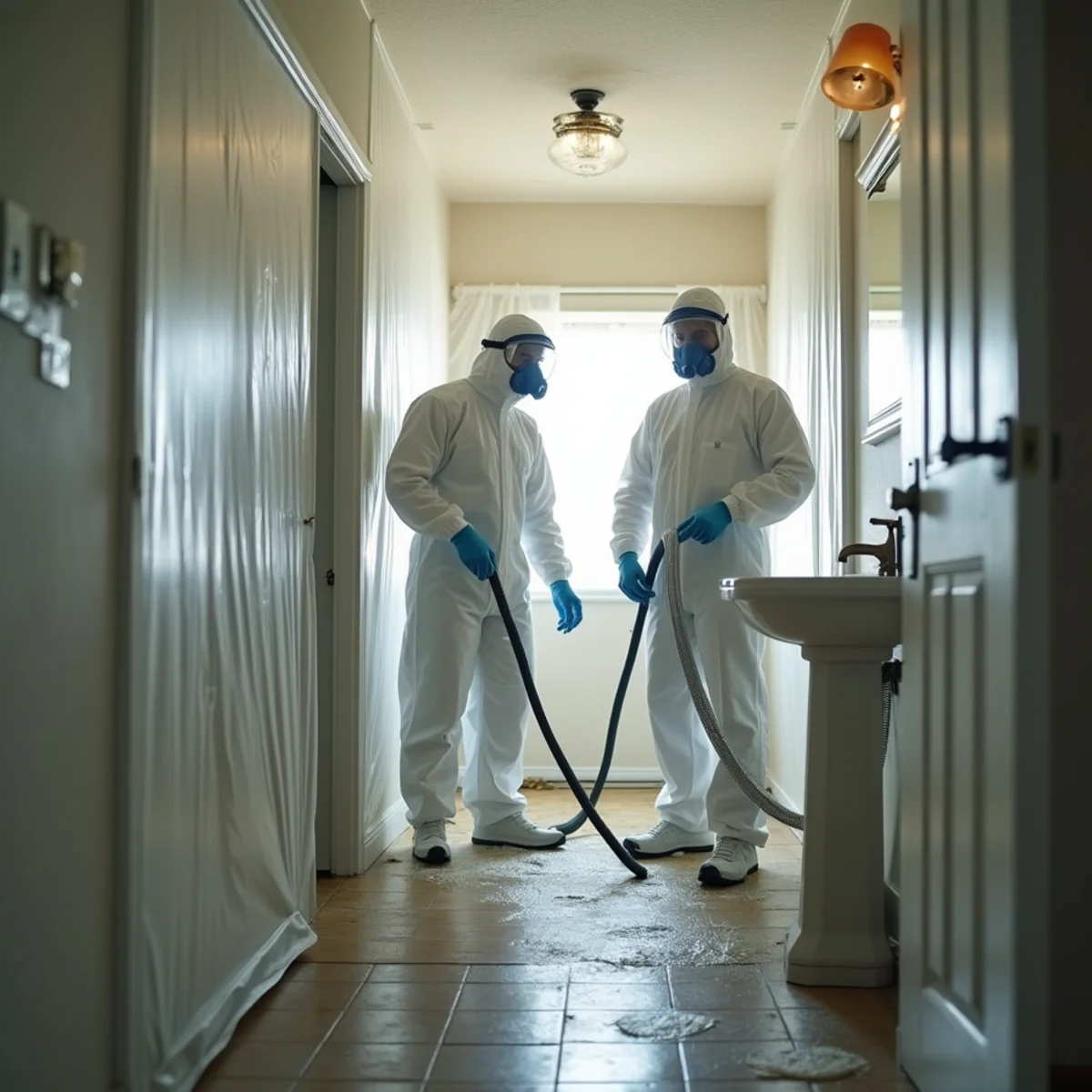
We handle sewage losses in full protective gear, following IICRC S500 protocols for Category 3 water. We contain the affected area, extract the waste, remove and bag porous materials that cannot be salvaged, then clean and disinfect every surface before drying. The goal is a space that is not just dry but sanitized back to a safe condition.
Sewage cleanup is an emergency that should not wait. Call our 24/7 line and a properly equipped crew will be on the way to your Buena Park property, usually within about an hour.
Signs You Need Sewage Cleanup in Buena Park
Water damage rarely announces itself politely. Here's what tends to signal that it's time to call a professional:
- Wastewater or sewage backing up through toilets, tubs, or floor drains
- A strong sewage or rotten odor indoors
- Dark, cloudy, or debris-filled water around drains or fixtures
- Multiple drains gurgling or backing up at once
- Water backing up when you run a washer, dishwasher, or shower
- Visible waste or contamination on floors and lower walls
- Sewage smells coming from a floor drain in a garage or laundry room
What's Included in Our Sewage Cleanup
Sewage Cleanup with us is a complete, done-for-you service — not a partial fix that leaves you chasing other contractors. Here's what a typical job includes:
- Category 3 black-water cleanup handled under strict safety protocol
- Technicians in full PPE: suits, gloves, respirators, and boots
- Containment barriers set to isolate the contaminated area
- HEPA air scrubbers running throughout the cleanup
- Extraction and disposal of sewage and porous contaminated materials
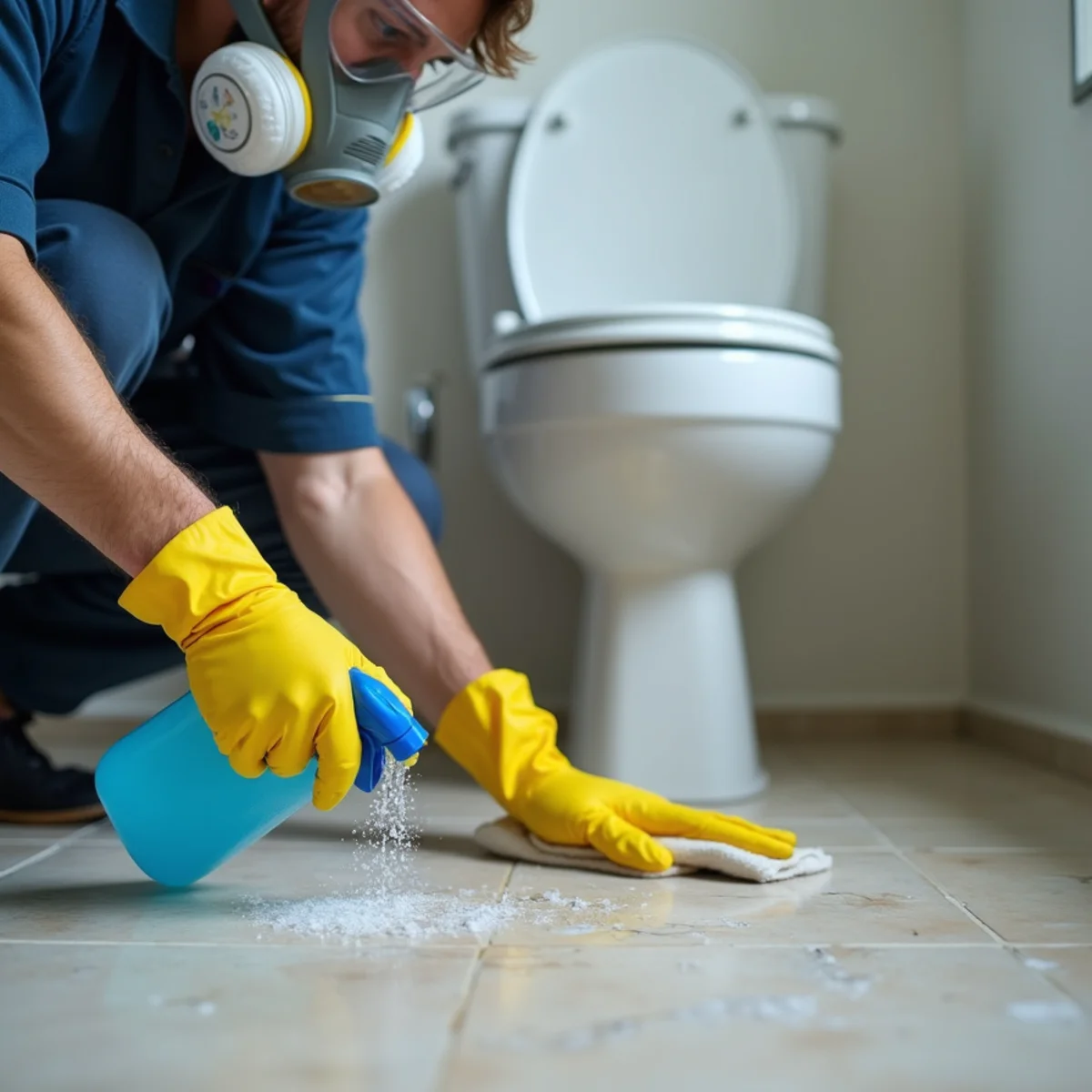
- Antimicrobial and disinfectant treatment on every affected surface
- Regulated disposal of biohazard waste per local guidelines
- Post-cleanup verification that surfaces are sanitized and dry
Why This Matters in Buena Park & North OC
Many Buena Park homes are 60 to 70 years old, and so are portions of their sewer laterals, the lines running from the house to the main. Aging clay or cast-iron laterals crack, corrode, and catch root intrusion, all of which cause backups. When a decades-old lateral finally gives, the cleanup has to account for how far contaminated water traveled across slab flooring.
In the city's apartments and condos, a single blocked line can back up into more than one unit, and the lowest fixtures flood first. We contain and disinfect every affected unit, not just the one that called, because leaving contamination next door defeats the purpose. Coordinating that with property management is part of how we work these jobs.
Because Buena Park's homes sit on concrete slabs, sewage that reaches flooring spreads sideways and wicks into baseboards and drywall along the floor. We map the spread, remove the porous materials that absorbed it, and disinfect the slab itself before anything new goes back down.
Our Sewage Cleanup Process
We treat every sewage backup as a biohazard from the first minute: contain, extract in protective gear, remove contaminated porous materials, then disinfect and dry.
- 1
Emergency Contact & Rapid Assessment
A real person answers your call 24/7 — never a voicemail. We ask a few quick questions to gauge severity, then dispatch a crew immediately. While you wait, we'll walk you through shutting off the water and safely documenting the damage for your insurer.
- 2
Water Extraction
Our technicians arrive with truck-mounted and portable extraction units to pull out standing water fast — the single biggest factor in limiting damage. We move furniture and belongings to dry areas and stop the spread before it reaches new rooms.
- 3
Drying & Dehumidification
We position industrial air movers and dehumidifiers to dry structural materials from the inside out, then monitor moisture daily with professional meters and thermal imaging so hidden dampness behind walls and under floors doesn't turn into mold.
- 4
Cleaning & Sanitizing
Every affected surface is cleaned with antimicrobial and anti-fungal treatments. For gray- and black-water losses we follow strict IICRC S500 containment, PPE, and disposal protocols to keep your home safe.
- 5
Restoration & Reconstruction
Once your property is dry, we repair or replace drywall, flooring, cabinetry, and paint — and put it back the way it was. One company handles the whole job, from the first extraction to the final coat of paint, so you're never juggling three contractors.
Water Damage Categories We Handle
Not all water is equal. During our assessment we classify the loss so it's treated safely and correctly — this also matters for your insurance claim.
| Category | Typical Sources | How We Handle It |
|---|---|---|
| Category 1 — Clean Water | Broken supply line, sink overflow, rainwater | Fast extraction, drying, and sanitizing. Porous materials like carpet and drywall can often be saved if they're dried within 24–48 hours. |
| Category 2 — Gray Water | Washing machine or dishwasher discharge, toilet overflow (urine only) | Extraction, removal of contaminated porous materials, antimicrobial treatment, and enhanced drying. Technicians work in full PPE. |
| Category 3 — Black Water | Sewage backup, floodwater, toilet overflow with solids | Full containment, removal and disposal of all affected porous materials, heavy-duty sanitization, HEPA filtration, and full PPE per IICRC S500. |
What Affects the Cost of Sewage Cleanup
We give you a clear, upfront estimate after a free on-site assessment — no guessing, no fake numbers. The final figure depends on factors like:
- The volume of sewage and how far it spread
- How much porous material such as carpet, pad, drywall, or flooring was contaminated
- The extent of disinfection and antimicrobial treatment required
- Removal, bagging, and disposal of biohazard waste
- Whether the source line needs to be cleared before cleanup can finish
- Structural drying after contamination is removed
- Any reconstruction to replace removed materials
Because we document everything to insurer standards, most of this is typically handled through your homeowner's claim — and we bill your insurance directly.
Need help right now?
Certified crews on standby, 24/7. We'll be there fast.
Sewage Cleanup FAQs
Sewage is classified as the most contaminated category of water because it carries disease-causing organisms. Cleaning it without proper protection, containment, and disinfectants exposes you to those pathogens and usually spreads them to unaffected areas. It also leaves porous materials that look fine but are still contaminated. This is genuinely a job for trained, protected crews.
Porous materials that absorbed the contaminated water generally cannot be salvaged, including carpet and pad, saturated drywall, particleboard, and soaked soft goods. Hard, non-porous surfaces like tile, sealed concrete, and metal can usually be cleaned and disinfected. We make those calls by the S500 standard and document each removal for your insurance claim.
Yes, when the source of the odor is fully removed rather than masked. The smell comes from contaminated materials and bacteria, so once we extract the sewage, remove what cannot be cleaned, and disinfect the surfaces, the odor goes with it. If any smell lingers, it usually means contamination was missed, and we go back to find it.
Sewer and drain backups are often covered, but many policies require a specific backup endorsement, so coverage varies. We document the cause, the contamination, and every step of the cleanup, and we bill your insurer directly. It is worth calling us and your carrier promptly, because these losses only get more expensive the longer they sit.
Anything porous that soaked up the contamination generally can't be saved, including carpet and pad, affected drywall, insulation, particleboard, and most textiles. Sewage is Category 3 black water, so we remove those materials, HEPA-vacuum and clean the hard surfaces, then apply a hospital-grade antimicrobial before drying. Sealed items like tile, glass, and metal can usually be disinfected and kept.