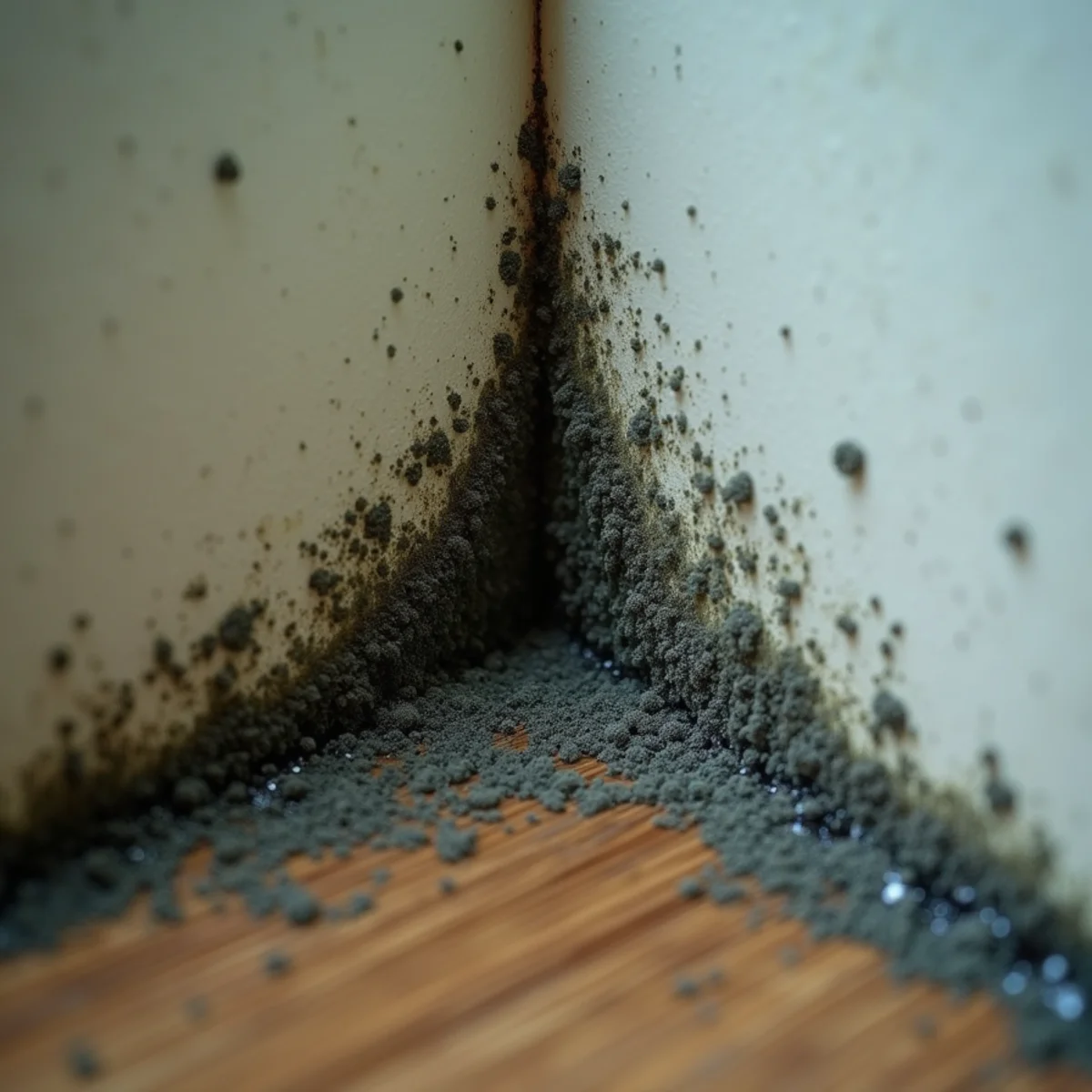
A musty smell you cannot place, a dark patch behind the toilet, a family member whose allergies flare only at home. These are the moments people call us for a mold inspection. You do not need a diagnosis from a spray-bottle salesperson. You need facts. We come out, look carefully, and tell you what is actually happening inside your walls.
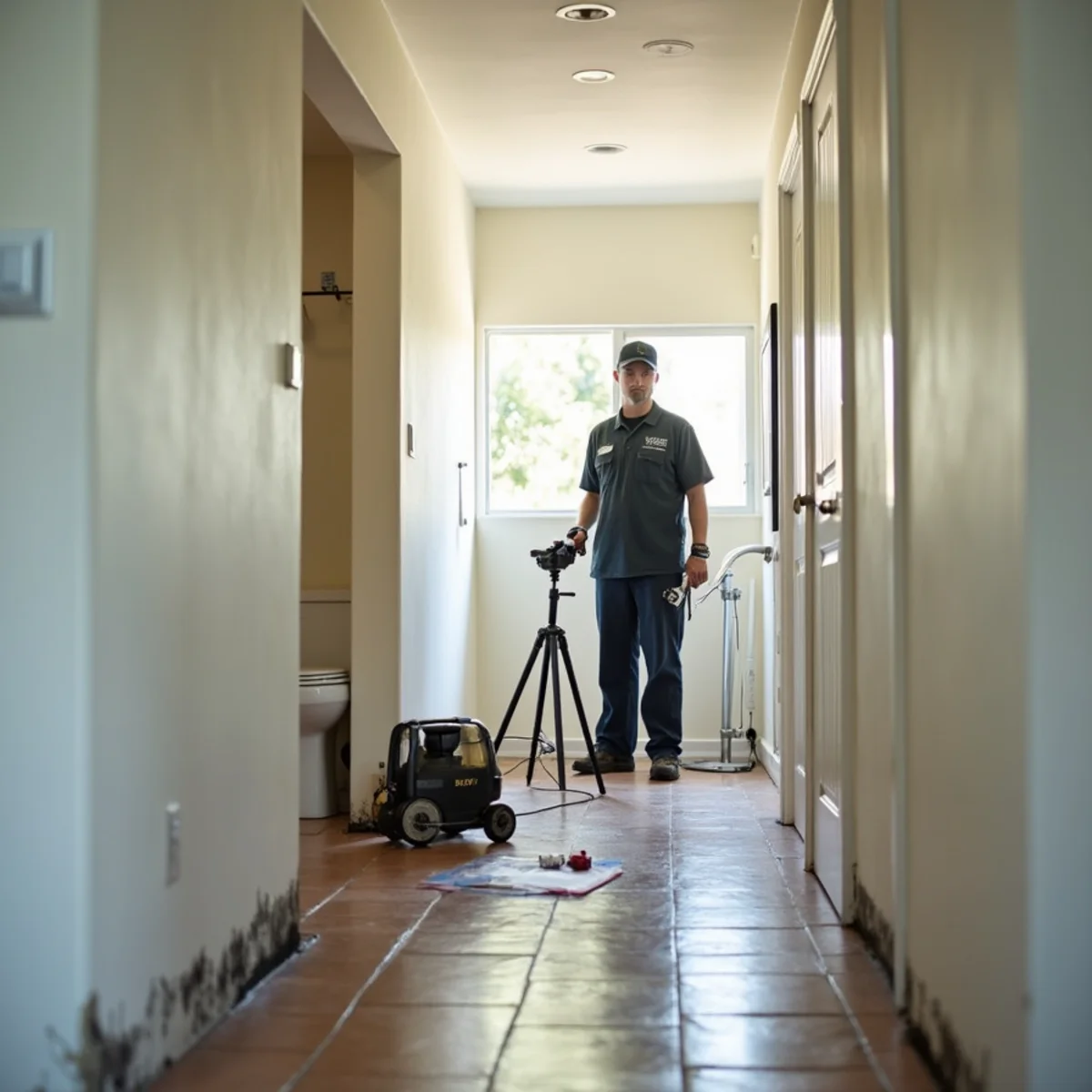
Mold needs moisture to grow, so a real inspection starts with finding water, not just spores. We map your home with moisture meters and thermal imaging to see where drywall, subfloor, or framing is still damp. Then we look at the conditions that feed growth: a slow drip under a sink, condensation on cold copper lines, a bathroom fan vented into the attic instead of outside.
Testing tells you the rest. We take air samples and, where it helps, surface swabs, then send them to an independent lab. That gives you a spore count you can compare against the outdoor baseline and a species breakdown that separates ordinary household mold from the kinds that warrant careful removal. Guessing is cheap and usually wrong; a lab result is something you can act on and hand to an insurer.
We are IICRC-certified and we do not profit from scaring you. If your home is clean, we will say so and send you home with a report instead of a repair bill.
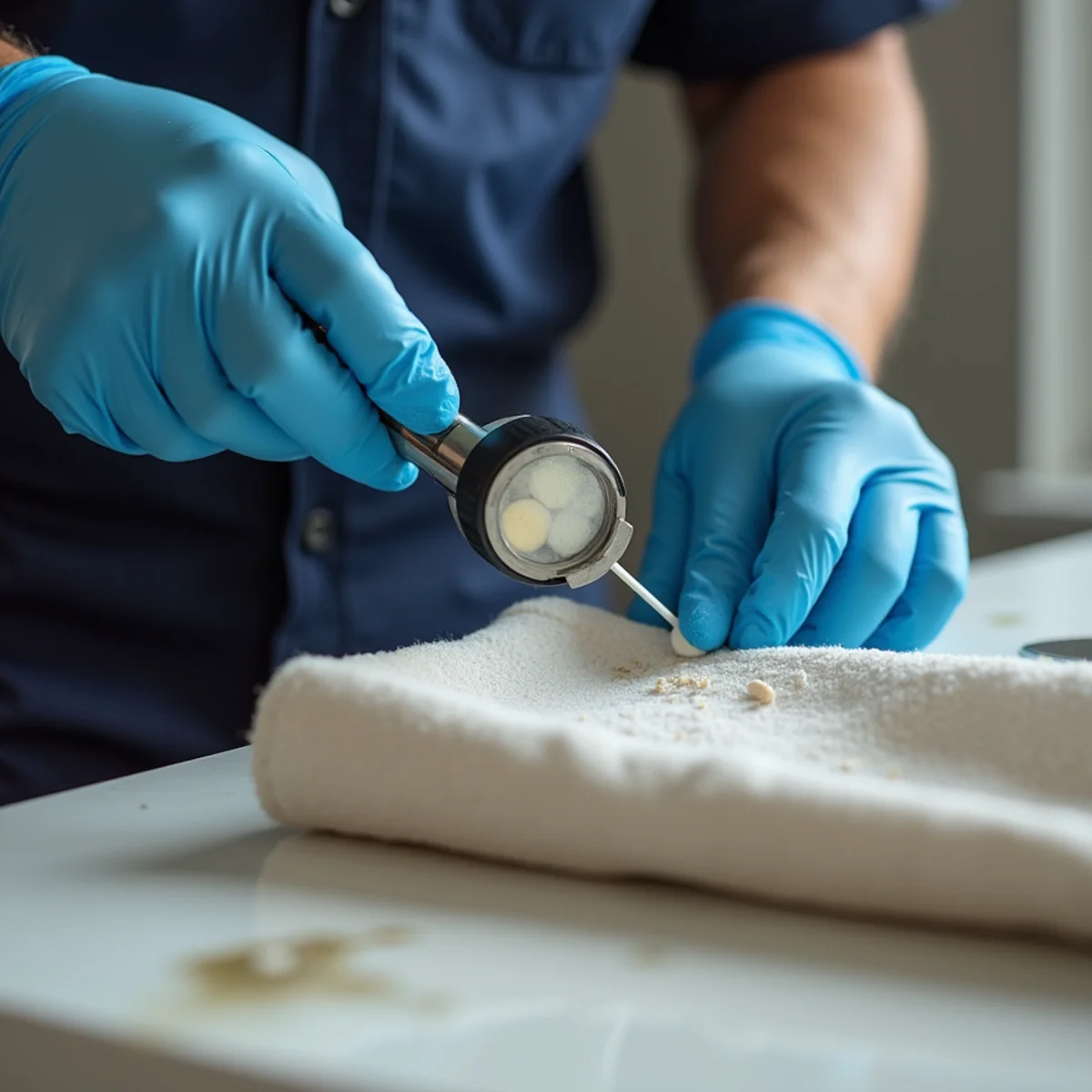
Signs You Need Mold Inspection & Testing in Buena Park
Water damage rarely announces itself politely. Here's what tends to signal that it's time to call a professional:
- A musty or earthy odor that returns after you clean or air out a room
- Visible spotting on drywall, grout, window sills, or ceiling corners
- Allergy or asthma symptoms that ease when you leave the house
- Recent water damage, a slow leak, or flooding within the last few weeks
- Warped baseboards, bubbling paint, or a soft spot in the floor
- A real estate transaction that requires documented air-quality results
- Persistent condensation on windows, pipes, or the inside of exterior walls
What's Included in Our Mold Inspection & Testing
Mold Inspection & Testing with us is a complete, done-for-you service — not a partial fix that leaves you chasing other contractors. Here's what a typical job includes:
- Visual mold inspection of affected and adjacent areas
- Moisture meter and thermal imaging to find hidden dampness
- Air and surface samples collected for lab analysis
- Third-party lab results reporting spore types and counts
- Written report identifying the underlying moisture source
- Clear scope for any remediation that's actually needed
- Honest read — no scare tactics and no upselling
Why This Matters in Buena Park & North OC
Buena Park's 1950s and 60s tract homes hide mold in predictable places. Bathrooms added to slab-built houses often lack proper exhaust, so moisture settles into drywall around tubs and behind vanities. Aging copper supply lines develop pinhole leaks that weep for months inside a wall cavity before anyone notices a stain, and by then the framing behind it has usually started to grow.
Our multi-family neighborhoods add another layer. With roughly a third of Buena Park's housing being apartments and condos, an upstairs unit's overflow can feed mold in the ceiling of the unit below, and neither resident sees the leak until the smell arrives. We inspect both sides of a shared assembly so the source, not just the symptom, gets documented.
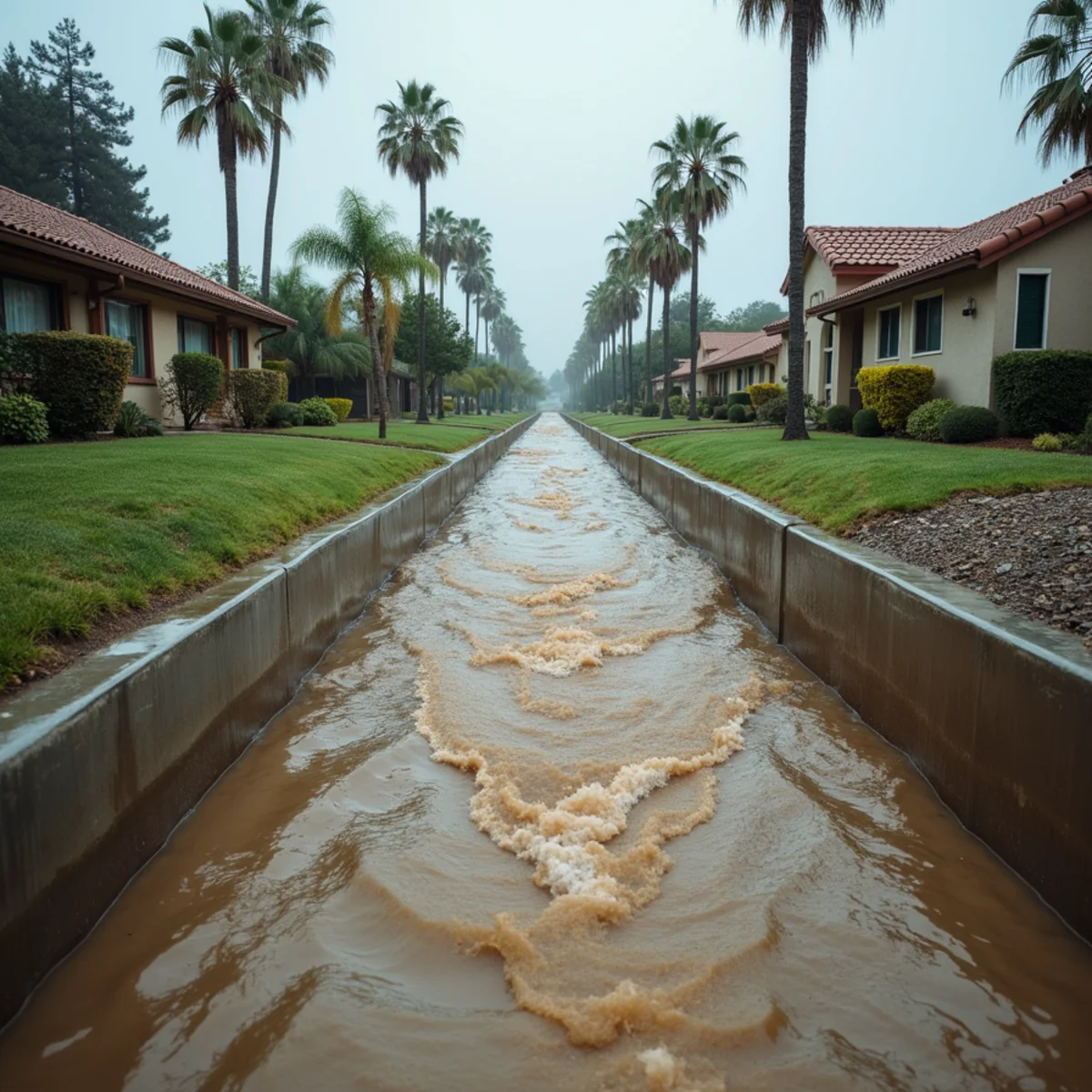
Weather plays a part too. Our wet months run November through March, and a roof loosened by fall's Santa Ana winds can let rain track into an attic where it sits in the dark. We check the spots specific to how homes here are built and how our seasons behave.
Our Mold Inspection & Testing Process
Here is how a mold inspection with our team usually goes, from the first call to your written report.
- 1
Emergency Contact & Rapid Assessment
A real person answers your call 24/7 — never a voicemail. We ask a few quick questions to gauge severity, then dispatch a crew immediately. While you wait, we'll walk you through shutting off the water and safely documenting the damage for your insurer.
- 2
Water Extraction
Our technicians arrive with truck-mounted and portable extraction units to pull out standing water fast — the single biggest factor in limiting damage. We move furniture and belongings to dry areas and stop the spread before it reaches new rooms.
- 3
Drying & Dehumidification
We position industrial air movers and dehumidifiers to dry structural materials from the inside out, then monitor moisture daily with professional meters and thermal imaging so hidden dampness behind walls and under floors doesn't turn into mold.
- 4
Cleaning & Sanitizing
Every affected surface is cleaned with antimicrobial and anti-fungal treatments. For gray- and black-water losses we follow strict IICRC S500 containment, PPE, and disposal protocols to keep your home safe.
- 5
Restoration & Reconstruction
Once your property is dry, we repair or replace drywall, flooring, cabinetry, and paint — and put it back the way it was. One company handles the whole job, from the first extraction to the final coat of paint, so you're never juggling three contractors.
Water Damage Categories We Handle
Not all water is equal. During our assessment we classify the loss so it's treated safely and correctly — this also matters for your insurance claim.
| Category | Typical Sources | How We Handle It |
|---|---|---|
| Category 1 — Clean Water | Broken supply line, sink overflow, rainwater | Fast extraction, drying, and sanitizing. Porous materials like carpet and drywall can often be saved if they're dried within 24–48 hours. |
| Category 2 — Gray Water | Washing machine or dishwasher discharge, toilet overflow (urine only) | Extraction, removal of contaminated porous materials, antimicrobial treatment, and enhanced drying. Technicians work in full PPE. |
| Category 3 — Black Water | Sewage backup, floodwater, toilet overflow with solids | Full containment, removal and disposal of all affected porous materials, heavy-duty sanitization, HEPA filtration, and full PPE per IICRC S500. |
What Affects the Cost of Mold Inspection & Testing
We give you a clear, upfront estimate after a free on-site assessment — no guessing, no fake numbers. The final figure depends on factors like:
- The size of the home and the number of rooms or units that need checking
- How many air and surface samples the lab needs to run for a clear picture
- Whether hidden areas require a borescope or a small inspection opening
- The extent of moisture mapping and thermal imaging involved
- Access difficulty, including crawl spaces, attics, or finished walls that must be opened
- Whether you need a formal written protocol for insurance or a real estate sale
- Turnaround time requested on the independent laboratory results
Because we document everything to insurer standards, most of this is typically handled through your homeowner's claim — and we bill your insurance directly.
Need help right now?
Certified crews on standby, 24/7. We'll be there fast.
Mold Inspection & Testing FAQs
Visible mold you can often see and treat without a lab report. Testing earns its cost when the problem is hidden, when someone in the home is getting sick, or when you need documentation for an insurer or a buyer. We will tell you honestly which situation you are in before you pay for samples.
An inspection is the visual and moisture investigation; we find where water is or was and where growth is likely. Testing adds air and surface samples analyzed by an independent lab to identify species and spore counts. Most thorough jobs use both, because a number without context, or a look without data, only tells half the story.
A typical single-family home in Buena Park takes one to three hours on site, depending on square footage and how many suspect areas we investigate. Lab results usually come back within two to five business days, and we walk you through the report rather than emailing a stack of numbers and disappearing.
No. Our inspection and your report are yours to use however you like, including getting other quotes. We do offer removal, and many clients ask us to handle it because we already know the source. But there is no obligation, and we never inflate findings to sell a bigger job.
Only if the moisture that fed it is still there. That is why we start with the water source, not the stain. Fix the leak, dry the structure to a verified moisture level, and the same spot stays clean. Skip that step and mold will return no matter how carefully the surface was cleaned.
Both, depending on what we are trying to answer. Surface sampling confirms what a visible patch actually is, while air sampling catches elevated spore counts you cannot see, which helps when there is a musty smell but no obvious growth, or when comparing an affected room against an outdoor baseline. We pair the lab results with a moisture reading of the surrounding materials, because mold is a symptom and the water source is the real problem. You get the written findings either way.