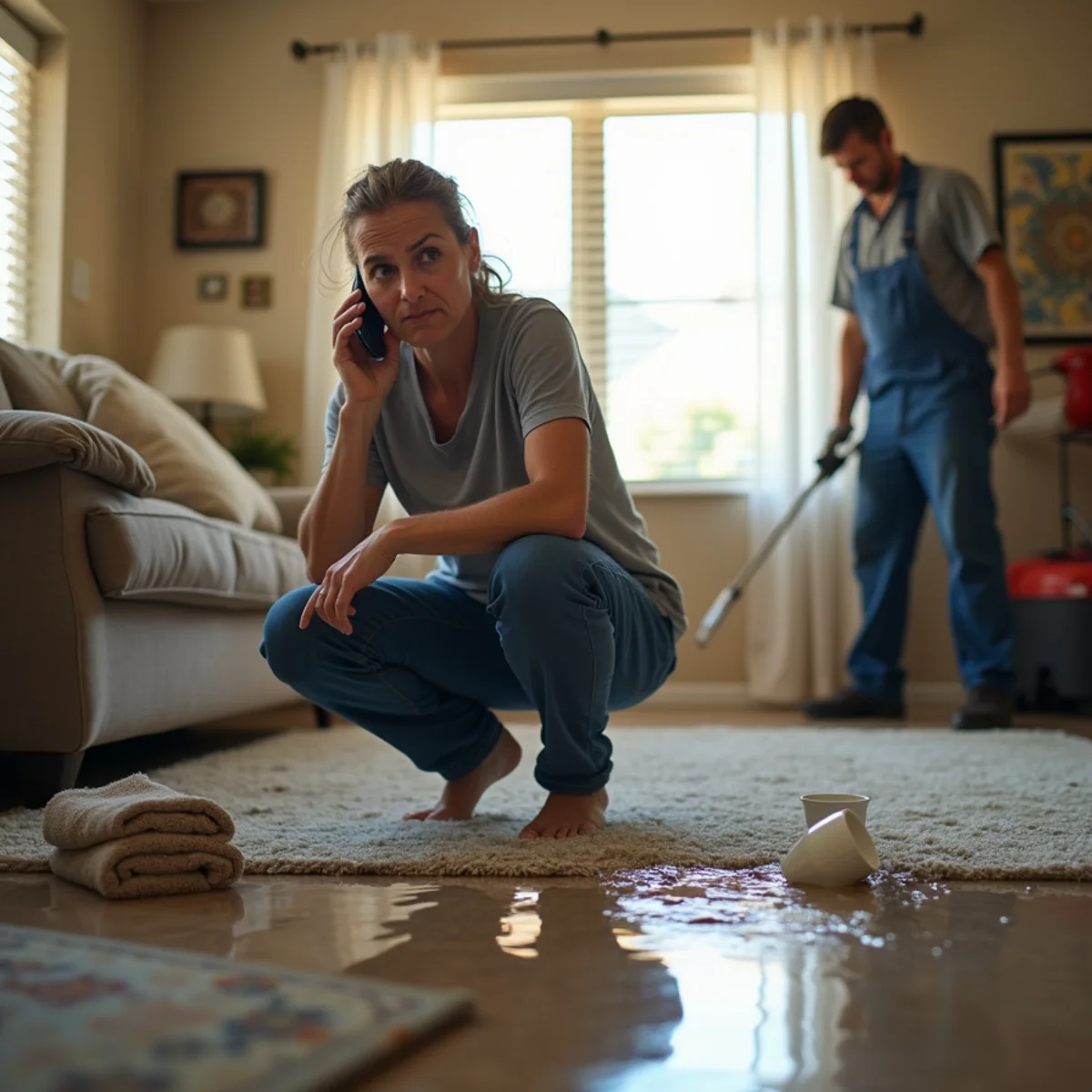
A pipe lets go under the kitchen sink. The dishwasher runs over during the night. However it starts, the water is only half the problem. The other half is what grows next, and mold moves faster than most homeowners expect.
Under the right conditions, mold can begin colonizing damp materials in as little as 24 to 48 hours. That is not a scare tactic. It is the working assumption every certified restoration crew uses. Mold spores already drift through the air of every home in North Orange County. All they need is moisture and something to feed on, and a wet baseboard hands them both.
The good news is that the same clock runs in your favor. Dry the structure quickly and completely, and mold never gets a foothold. This guide explains how fast mold really grows after water damage, what speeds it up, and where it tends to appear first in our local homes.
The 24-48 Hour Rule, Explained
The 24-to-48-hour window is the benchmark restoration pros follow, and it lines up with the IICRC S500 standard we work under. Within that first day or two, spores that land on a wet surface can germinate and send out root-like threads called hyphae. From there, growth accelerates.
Here is roughly how the timeline unfolds when materials stay wet:
- Hours 0-24: Water spreads and wicks into drywall, wood, and carpet padding. No visible mold yet, but the stage is set.
- Hours 24-48: Spores begin germinating on damp organic surfaces. Growth is microscopic and still invisible.
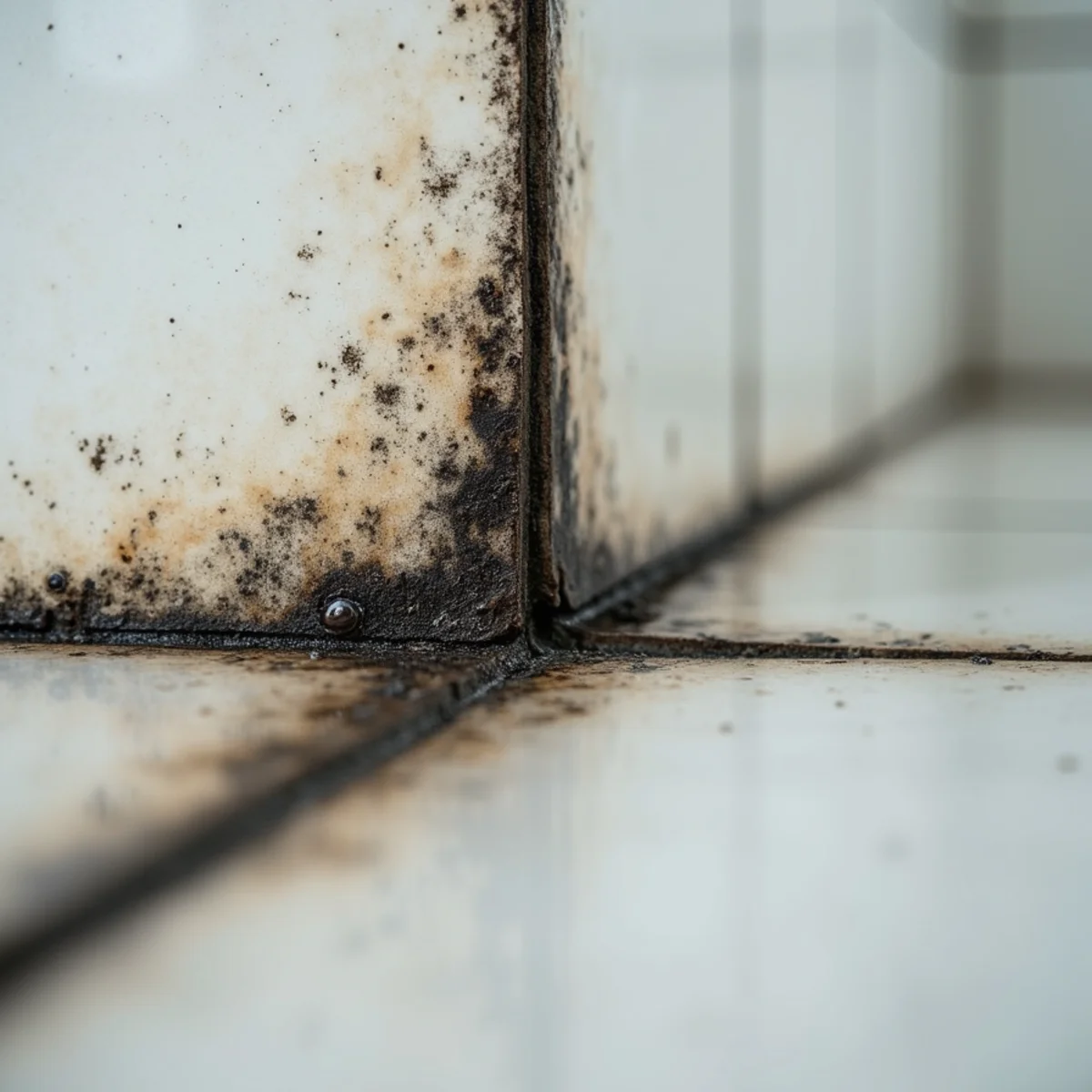
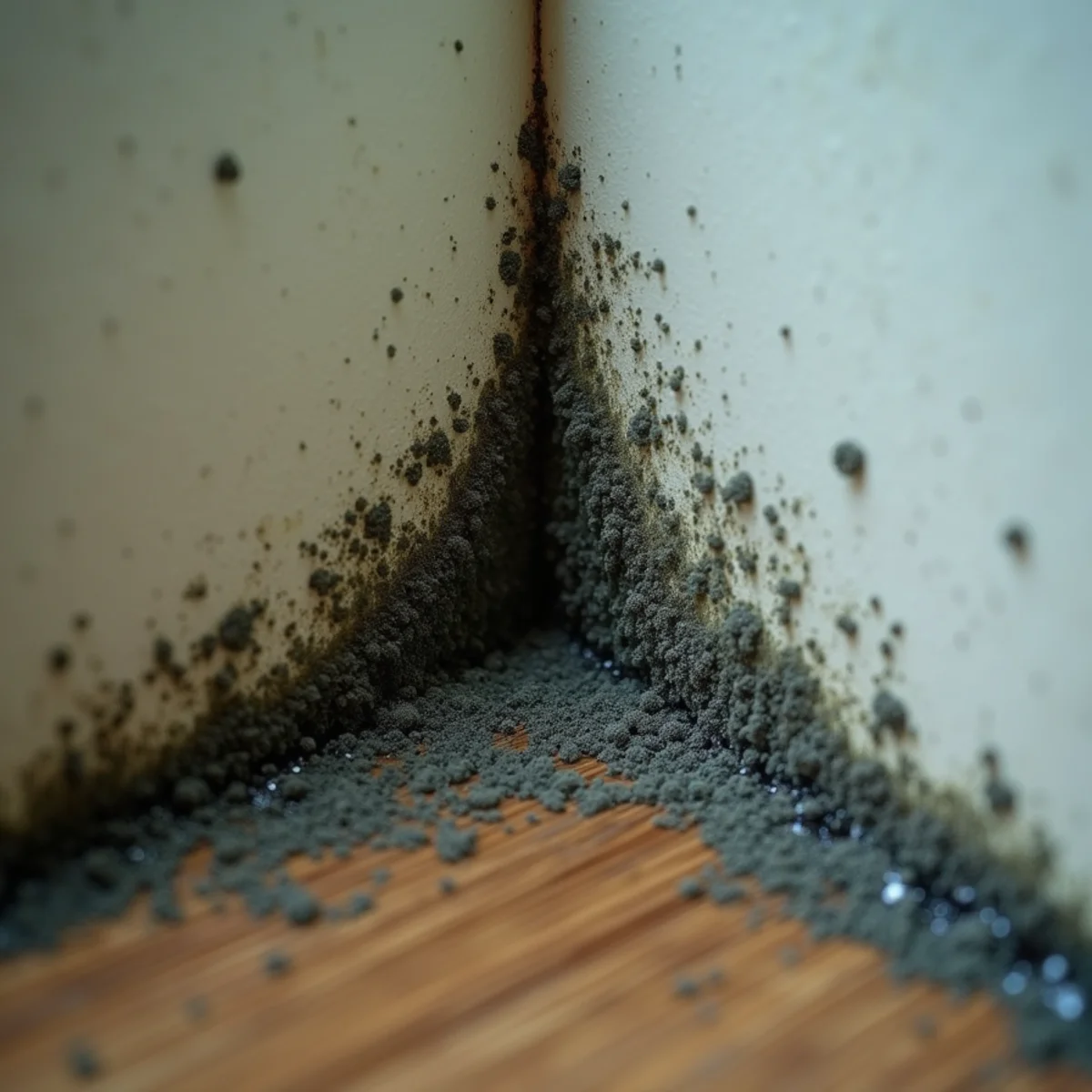
- Days 3-7: Colonies become visible as spots or fuzz, and a musty smell often appears.
- Beyond a week: Mold spreads across surfaces and into wall cavities, and cleanup gets far more involved.
The exact pace depends on the material, the temperature, and how much moisture is present. But the lesson is consistent: the first two days are the ones that matter most.
What Mold Needs to Grow
Mold is not picky. It needs only a few things, and a water-damaged home supplies nearly all of them by default.
- Moisture: The one factor you can actually control. Remove it fast and the rest of the list stops mattering.
- A food source: Drywall paper, wood framing, carpet backing, insulation, and everyday household dust are all a meal to mold.
- Temperature: Most household molds thrive between roughly 65 and 85 degrees, which describes the inside of a Buena Park home for most of the year.
- Time: Give the first three conditions 24 to 48 hours together and growth begins.
Because you cannot remove the food or realistically change indoor temperatures, drying is the entire game. That is why our crews focus on pulling moisture out of the structure, not just wiping up what you can see.
Where Mold Shows Up First in Buena Park Homes
Local housing stock shapes where mold tends to start. Many homes across Buena Park and neighboring Fullerton are 1950s and 60s tract houses on concrete slabs, with the kind of enclosed spaces that trap dampness. Watch these areas closely after any leak:
- Under sinks and behind cabinet kickplates, where drips go unnoticed for days.
- Along the bottom few inches of drywall, which wicks water upward like a paper towel.
- Behind baseboards and inside wall cavities, out of sight until the odor gives it away.
- Around HVAC returns and closet interiors, where air moves slowly and humidity lingers.
If a leak has been quietly wetting one of these spots, a professional mold inspection and testing can confirm how far it has spread before you open up a wall and find out the hard way.
Why Hidden Leaks Beat the Clock
The 24-to-48-hour rule assumes you know the water is there. Slow, hidden leaks break that assumption, and they are common in our area's aging copper plumbing and slab foundations.
A pinhole leak inside a wall or a slab leak beneath the floor can keep materials damp for weeks. By the time a homeowner notices warped flooring, a rising water bill, or a musty smell, mold has often had a long head start. The damage is not the fault of a slow response. It is that the clock started running before anyone knew.
This is why we treat any unexplained musty odor, water stain, or spike in the water bill as worth investigating. Catching a concealed leak early, then following with proper structural drying, is the difference between a small repair and an open-wall remediation project.
Drying Fast Is What Actually Stops Mold
Surface-drying a floor with towels and a box fan feels like progress, but it rarely reaches the moisture soaked into drywall, subfloor, and framing. That trapped water is exactly what mold needs. Real prevention means drying the structure to a documented standard, not just to the touch.
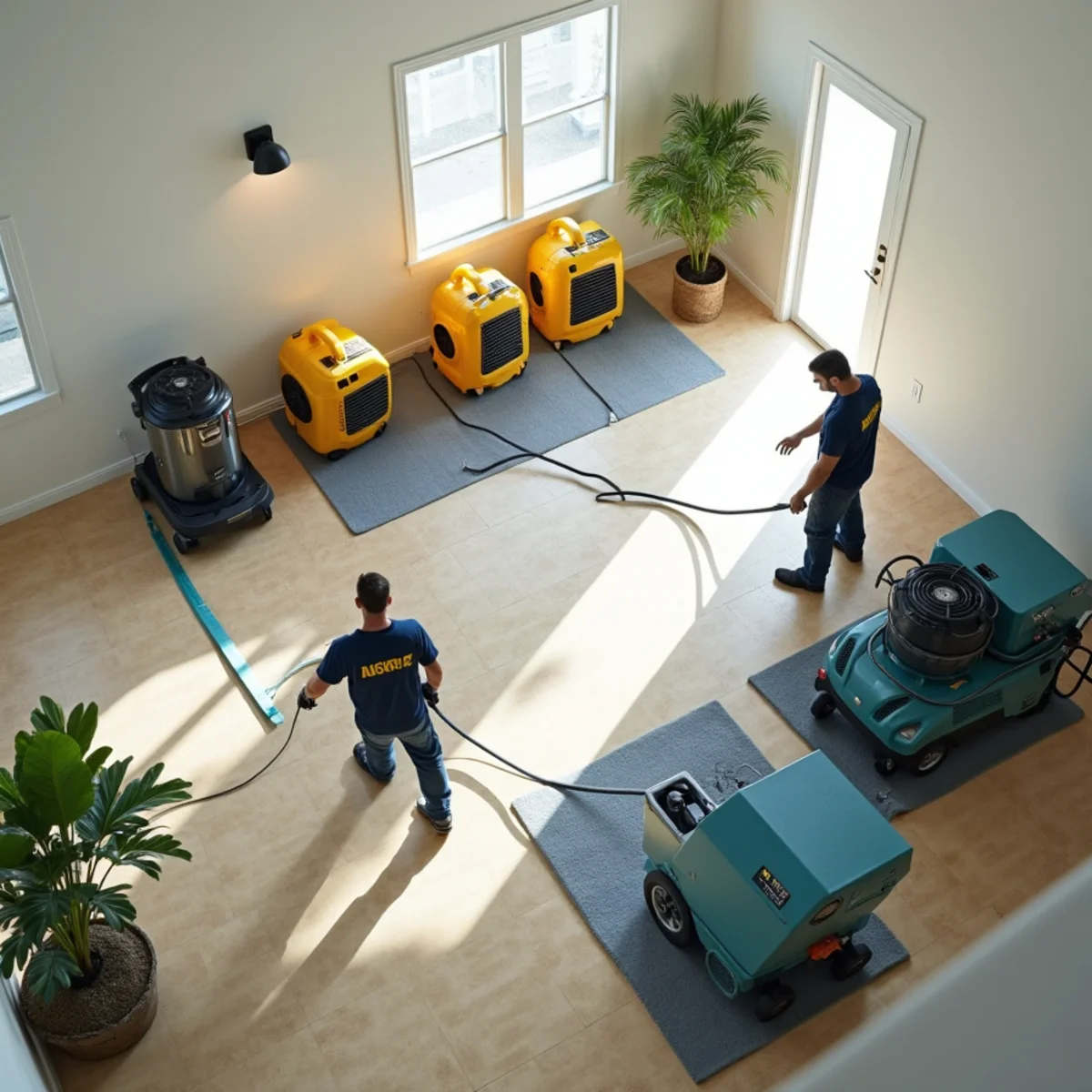
When we respond, we extract standing water with truck-mounted equipment, then set air movers and dehumidifiers in a calculated pattern to pull moisture out of building materials. Moisture meters and thermal imaging let us find damp spots behind surfaces and confirm when an area is genuinely dry, not just dry on top.
Because we aim for a 60-minute response on our 24/7 line, we can often start extraction inside that critical first-day window, when it does the most good. If you are dealing with an active leak right now, our water damage restoration team can walk you through what to do while help is on the way.
Is It Mold Yet? Testing vs. Removal
Not every damp spot means you need remediation, and not every bit of visible mold requires a lab test. Knowing the difference keeps you from overspending and from underreacting.
A reasonable rule of thumb: if a surface got wet and dried fully within about two days, the risk is low. If it stayed wet longer, or if you see growth or smell that earthy, musty odor, an inspection is the sensible next step. Testing helps most when growth is suspected but hidden, or when you need to document conditions for an insurance claim.
Once mold is confirmed and covers more than a small area, cleanup should follow containment and safety practices rather than a spray bottle of bleach. That is when professional mold removal protects both your home and the people in it.
On the health side, keep it measured. Mold exposure affects people differently. Some notice no symptoms, while others, especially those with allergies, asthma, or weakened immune systems, may react to airborne spores. We are restoration specialists, not doctors, so for specific health concerns talk with your physician, and let a certified crew handle the removal safely.
Frequently Asked Questions
It can begin that fast. Spores need moisture, a food source, and time, and a wet home supplies all three. Visible growth usually appears within a few days, but the process starts in the first 24 to 48 hours, which is why quick drying matters so much.
Often, yes. The water you can see is usually only part of it. Moisture wicks into drywall, subfloor, and framing where towels and fans cannot reach. Professional extraction and drying remove that hidden moisture before mold can use it.
Common clues are a persistent musty smell, discoloration or staining, peeling paint, and warped baseboards. Because wall-cavity mold is hidden, a professional inspection with moisture meters and thermal imaging is the reliable way to confirm it.
No. Mold is everywhere, and reactions vary from person to person. Some people notice nothing, while those with allergies or asthma may be more sensitive. The safe approach is to dry quickly, and have larger or hidden growth assessed and removed by a certified professional.
Dealing with water damage right now?
Water Damage Buena Park responds 24/7 across Buena Park & North OC.