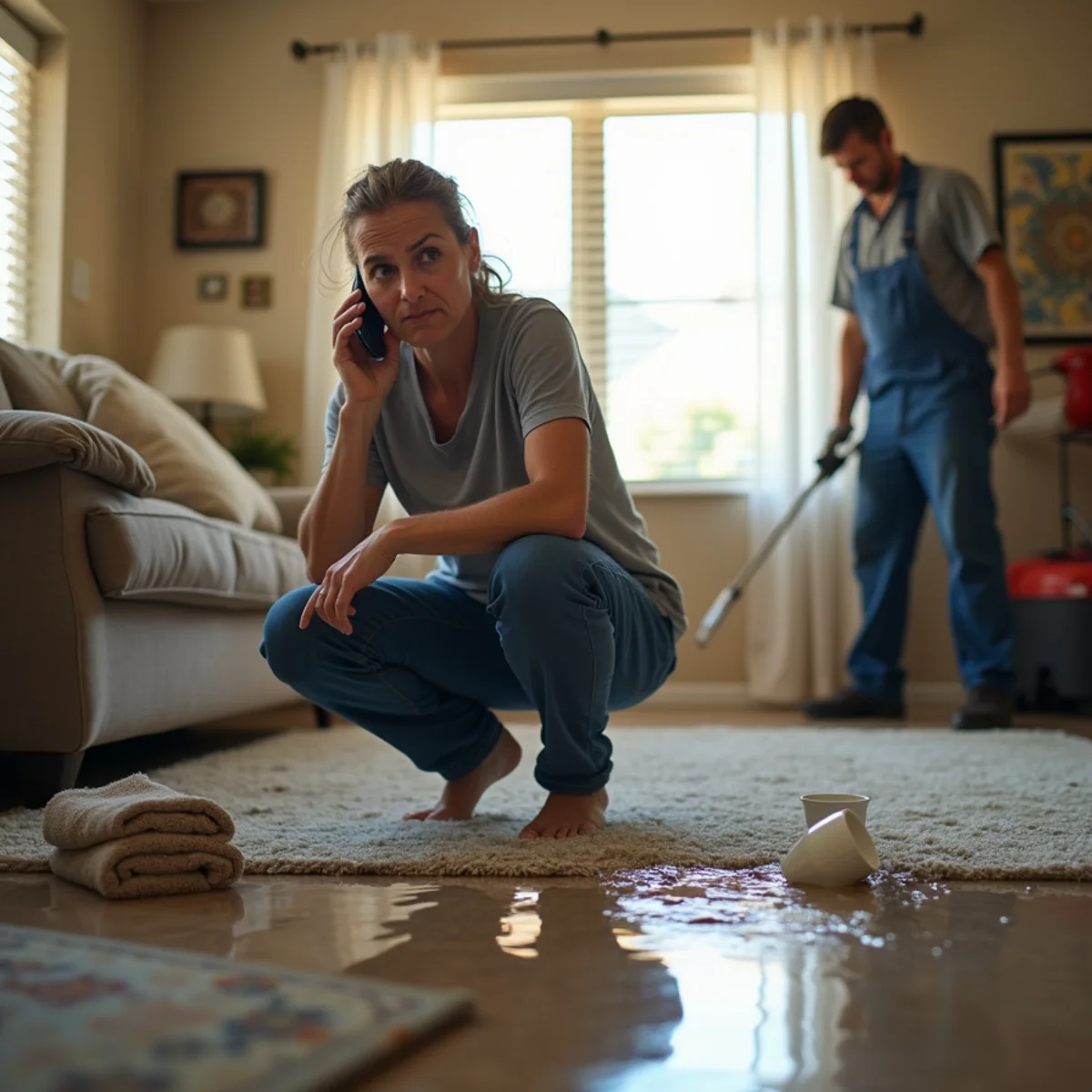
The first thing you feel when you find water where it shouldn't be is your stomach drop. Maybe it's a cold puddle spreading under the kitchen sink, a ceiling stain that wasn't there yesterday, or a whole room that squelches when you step in. Take a breath. What you do in the next few hours matters more than almost anything else, and most of it is well within your control.
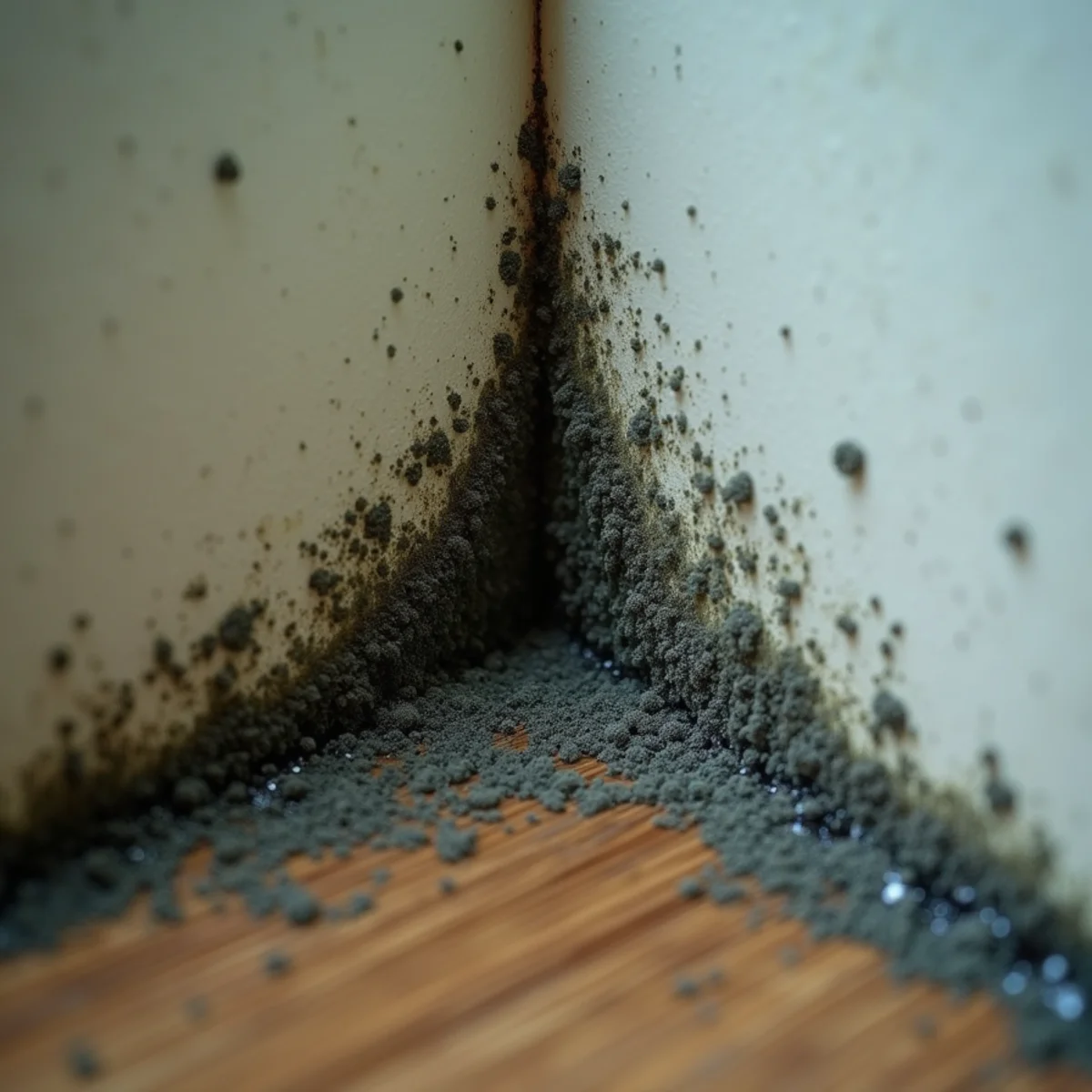
We've walked hundreds of Buena Park families through this exact moment. The homes here, many of them 1950s and 60s tract houses on concrete slabs, share the same weak points, and the same clock is always running. Water spreads fast, and within 24 to 48 hours the conversation shifts from drying to mold. That's why the first day is the one that saves you the most money and heartache.
This guide walks you through the first 24 hours in order, from the first minute to the point where you bring in emergency water damage help. Follow it top to bottom, and skip nothing that involves your safety.
Stop the Water at the Source
You cannot dry a home that's still filling with water, so the very first move is to cut the flow. Where you go depends on where the water is coming from.
- Under a sink, toilet, or appliance: turn the small shutoff valve on the supply line clockwise until it stops.
- A burst pipe, a leak you can't pin down, or water coming up through the floor: go straight to your home's main shutoff. In most Buena Park homes it's near the front hose bib, in the garage, or at the water meter by the curb.
- Rain or storm intrusion: you can't shut off the sky, so shift your effort to catching and diverting water away from outlets and belongings.
If you're not sure which valve controls what, close the main. It's always safer to lose water to the whole house for an hour than to let a leak run while you experiment.
Protect People First, Then the House
Water and electricity are the real danger here, not the drywall. If water has reached outlets, appliances, or your electrical panel, and you can reach the breaker without stepping into standing water, shut off power to the affected area. If you'd have to wade through water to get there, stay out and call an electrician or your utility.
Keep kids and pets clear of the wet zone. Standing water in a home is rarely clean, especially if it came from a toilet, a washing machine, or a sewer line. Wear closed shoes, and don't let anyone touch water that smells foul or looks discolored.
If the ceiling is bulging or sagging from trapped water, don't stand under it. A single bulge can hold gallons, and it will come down without warning.
Document Everything Before You Clean
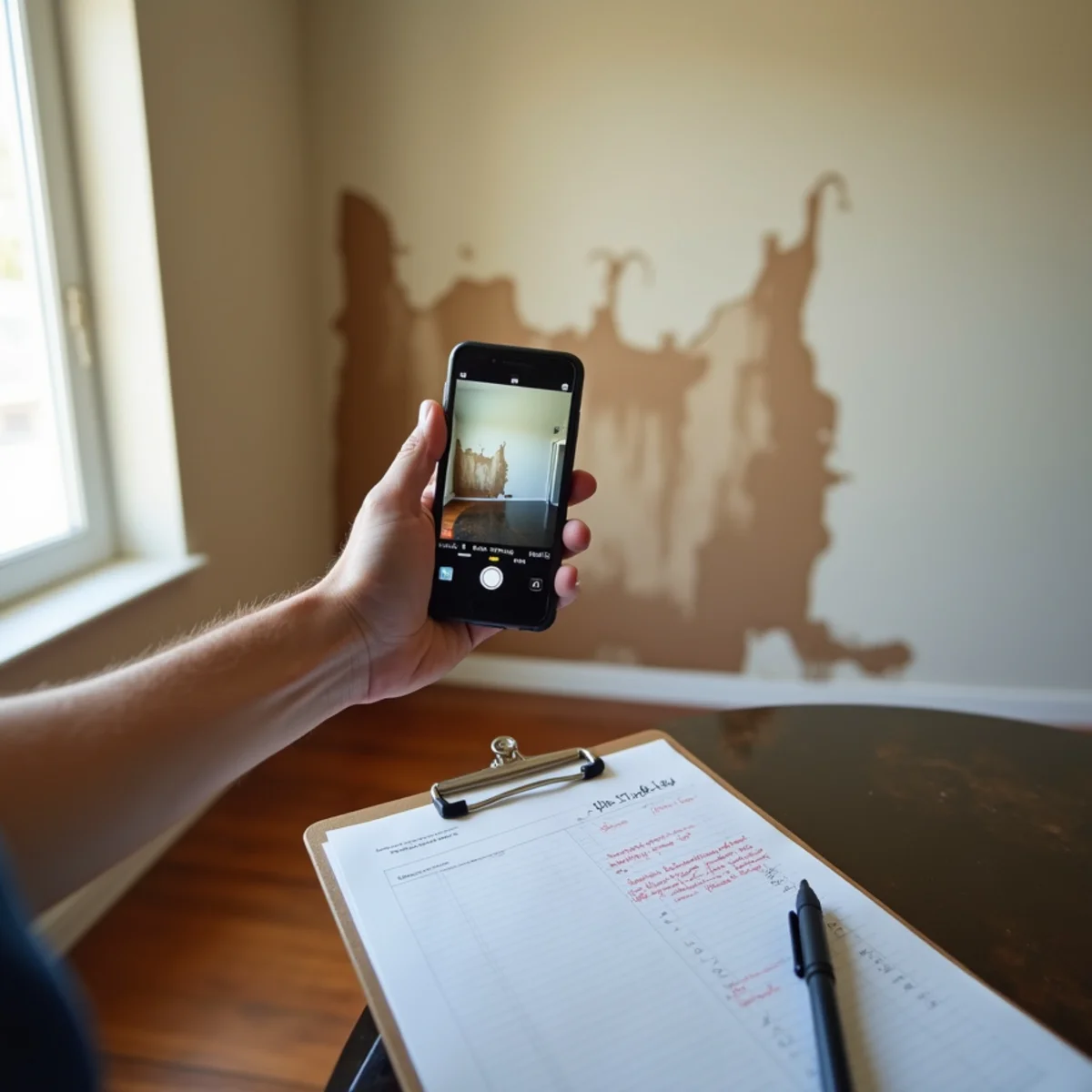
This is the step people skip, and the one they regret. Before you move a single box or sop up a drop, photograph and video the damage from every angle. Get wide shots of each room and close-ups of soaked baseboards, warped flooring, water lines on the wall, and any ruined belongings.
Capture the source too, the split pipe or the failed hose, because your insurer will want to see what happened. Write down the date and time you found the damage and what you did in response.
Good documentation is the backbone of a smooth claim. If the process feels overwhelming, this is exactly where insurance claims assistance earns its keep, and our team can help you build a file that adjusters take seriously. For a deeper walkthrough, see our guide on how to document water damage for an insurance claim.
Get the Water Out and Move What You Can
Once the source is off and you've documented the scene, start removing water. Towels, a mop, and a wet/dry shop vac handle small spills. For anything more than a thin layer, the goal is speed, because standing water keeps soaking into subfloor and drywall by the minute.
Lift furniture legs onto foil or wood blocks so they don't wick and stain. Pull rugs off wet flooring. Carry photos, documents, electronics, and anything irreplaceable to a dry room. Open cabinet doors and drawers in the affected area to let air reach the hidden spaces.
There's a limit to what a shop vac and towels can do. Water that has spread across a whole room, soaked into carpet pad, or wicked up the walls needs professional water extraction with truck-mounted equipment that pulls out far more than any consumer tool can reach.
Start Air Moving to Slow the Damage
Drying begins the moment the water stops. If the weather is dry, which it usually is in North Orange County outside the winter rains, open windows and run every fan you own aimed across the wet surfaces. Bump the air conditioning down a few degrees, since cooler, drier indoor air pulls moisture faster.
This won't dry the structure on its own, but it buys you hours against mold. Real structural drying takes commercial air movers and dehumidifiers placed by moisture readings, not guesswork. Still, the airflow you set up now genuinely slows how fast the problem grows before help arrives.
Know What Not to Do
A few common mistakes make water damage worse or more expensive:
- Don't use a household vacuum to suck up water. It's an electrocution risk and it ruins the machine.
- Don't wait to see if it dries on its own. Slab-foundation homes trap moisture under flooring where you can't see it, and that's where mold starts.
- Don't lift wet drywall or peel wallpaper before documenting and before a pro assesses it.
- Don't assume a small stain means small damage. Ceiling and wall stains are often the visible edge of a much larger wet area behind the surface.
- Don't throw ruined items away before your insurer or restoration company has seen them, unless they're a health hazard.
When to Call for Help
Call sooner rather than later. The homes across Buena Park and neighboring Anaheim and Fullerton share the same slab construction and aging copper plumbing, which means water hides and spreads in predictable ways we know how to find with thermal imaging and moisture meters.
We're locally owned, IICRC-certified, and we answer our 24/7 line around the clock with a roughly 60-minute response target. If you've done the first steps above and you're staring at more water than towels can handle, that's the moment to call us at (201) 277-9344. We'll walk you through anything urgent on the phone, then get a crew out to dry it properly, document it for your claim, and help you restore what the water touched.
Frequently Asked Questions
Mold can begin growing within 24 to 48 hours in the warm, damp conditions left behind by water damage. That's why fast extraction and drying in the first day are so important, especially in slab-foundation homes where moisture gets trapped under flooring.
If the damage is serious, call a restoration company first to stop the loss from getting worse, then notify your insurer. Most policies actually require you to take reasonable steps to prevent further damage. We can help you document everything and coordinate directly with your adjuster.
For a small, clean spill you caught immediately, often yes. For anything that soaked into carpet, drywall, subfloor, or spread across a room, a professional is worth it. Hidden moisture that feels dry on the surface is what leads to mold and structural problems weeks later.
Treat it as a health hazard. Keep people and pets away, wear protective footwear, and don't try to clean it yourself. Contaminated water needs proper sanitization. Call our team and we'll respond with the right protective equipment and disinfection process.
Dealing with water damage right now?
Water Damage Buena Park responds 24/7 across Buena Park & North OC.