When water damage hits, your instinct is to clean it up fast — and you should stop the source and protect your family first. But there's a short, important window before the cleanup where a few minutes of documenting can decide how smoothly your insurance claim goes weeks later.
Adjusters work from evidence. The more clearly you can show what happened, what got wet, and how bad it was, the faster your claim moves and the fairer the payout tends to be. Thin documentation is one of the most common reasons a claim stalls or comes back lower than expected.
This is the process we walk Buena Park homeowners through, often while our crew is setting up equipment. None of it requires special skills — just your phone, a little order, and the discipline to capture things before they get cleaned or thrown away.
Why Documentation Makes or Breaks a Claim
An insurance claim is, at its core, a story you have to prove: this happened, it was sudden, and here's what it damaged. Your adjuster wasn't in the room when the pipe failed, so your photos and notes stand in for what they didn't see. Strong evidence removes doubt and speeds approval.
The catch is timing. Once you've mopped, tossed the ruined rug, and run the fans, the scene is gone. If you didn't capture it first, you're left describing damage you can no longer show. Documenting before cleanup is the whole game — everything below is about doing it in the right order.
First: Stop the Source and Stay Safe
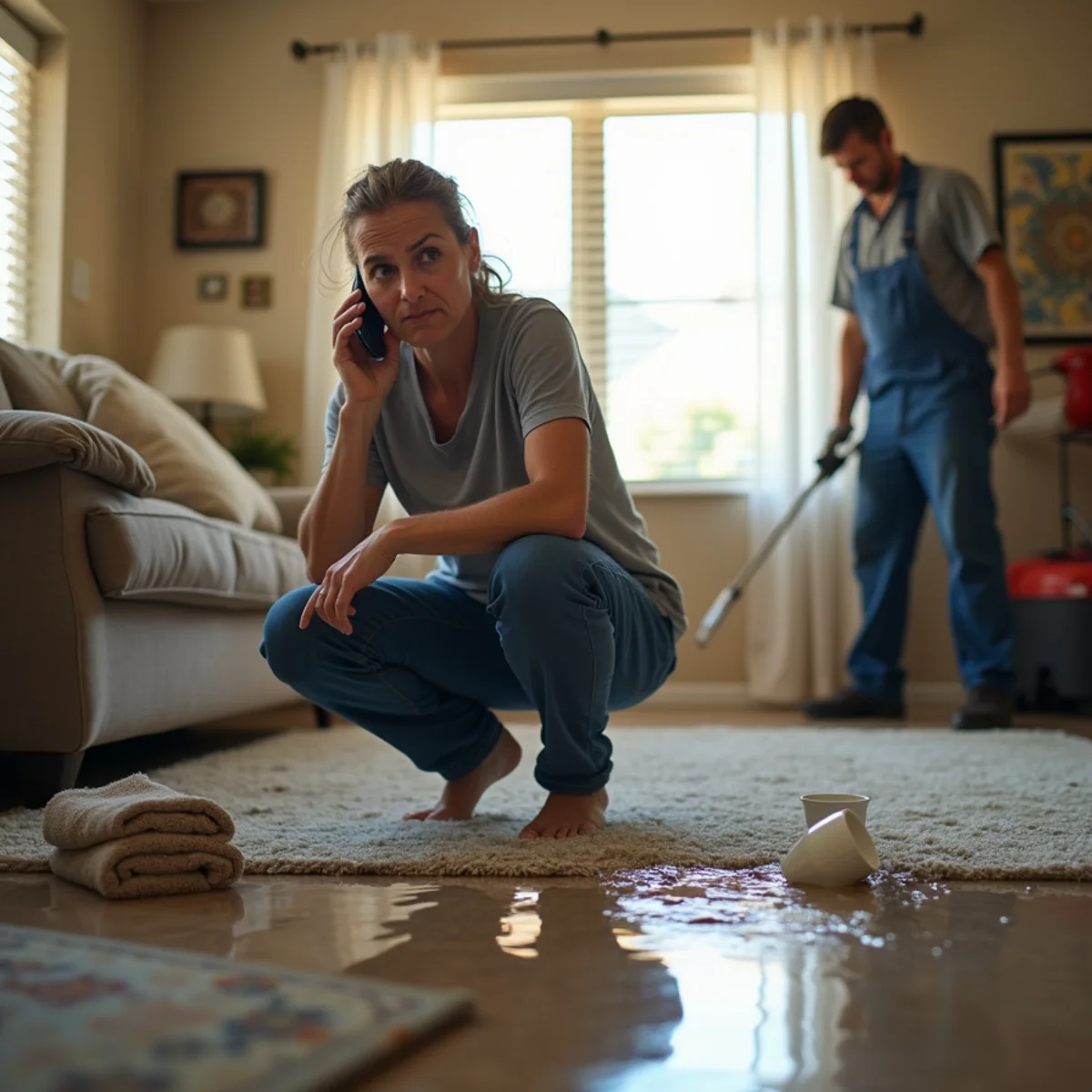
Documentation never comes before safety. Shut off the water at the source or the main valve to stop the flow. If water is anywhere near outlets, the panel, or wiring, cut the power to that area before you wade in. Standing water can hide hazards, so watch your footing.
Once the situation is stable, you can document freely. And note this for your claim: taking reasonable steps to prevent further damage — shutting off the water, moving valuables to dry ground — is something policies expect of you. Doing it, and noting that you did, actually strengthens your position rather than weakening it.
Photograph and Video Everything — Before You Touch It
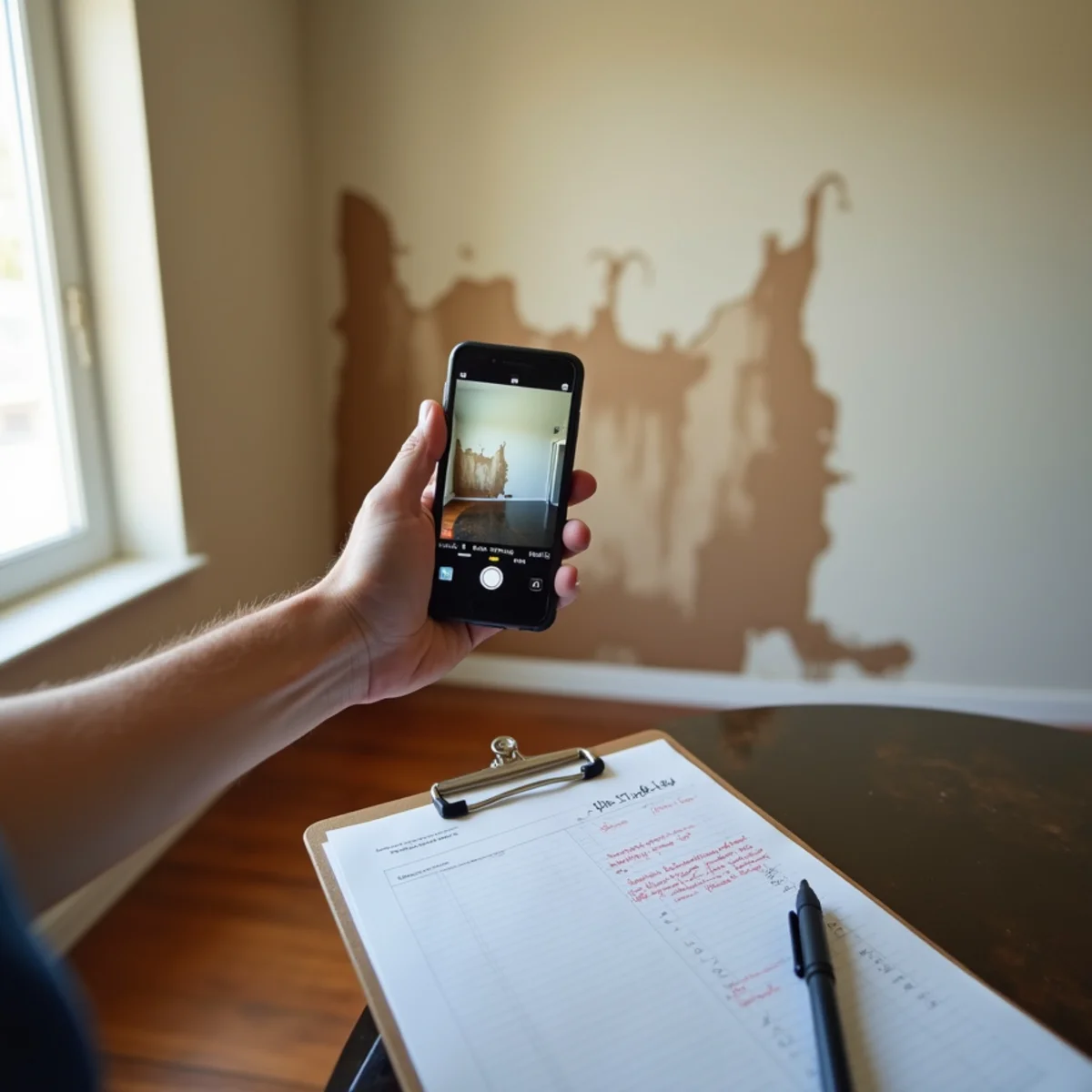
This is the heart of your claim. Capture the damage widely and up close, from several angles, before any cleanup begins:
- Wide shots of each affected room showing the overall scene
- Close-ups of standing water, soaked carpet, swollen baseboards, and stained walls or ceilings
- The source of the leak — the failed pipe, hose, or appliance — so the cause is on record
- Damaged belongings, including model and serial numbers where you can see them
- A slow video walkthrough narrating what happened and when
Photos carry timestamps, which help establish that the loss was sudden. Don't worry about taking too many — more evidence is always better than less. Once you've captured the scene, our water damage restoration crew photographs the professional scope as well, adding to the record your adjuster receives.
Save Damaged Items and Keep Every Receipt
Resist the urge to haul everything to the curb right away. Set damaged items aside where they can't cause harm — an adjuster may want to see them, and photos of a discarded item are weaker than the item itself. For anything you must throw out for health reasons, like sewage-soaked materials, photograph it thoroughly first.
Start a simple folder, digital or paper, for every related expense: emergency repairs, a hotel stay if your home is unlivable, replacement essentials. Keep receipts for it all. When belongings need specialized drying, our contents restoration team documents each item's condition, which feeds directly into your inventory and your proof of loss.
Write Down the Timeline While It's Fresh
Memory fades fast under stress, and adjusters ask specific questions: When did you first notice the water? What did you do, and in what order? Who did you call, and when? Jot down the sequence the same day, including the time you discovered the loss and the time you shut off the water.
Note the cause as best you understand it, too. Whether it was a burst supply line, a water heater failure, or an appliance overflow, tying the damage to a clear, sudden event supports the sudden-and-accidental standard your policy is built around. A short, factual timeline turns a stressful blur into a claim an adjuster can approve quickly.
Get a Professional Moisture Assessment
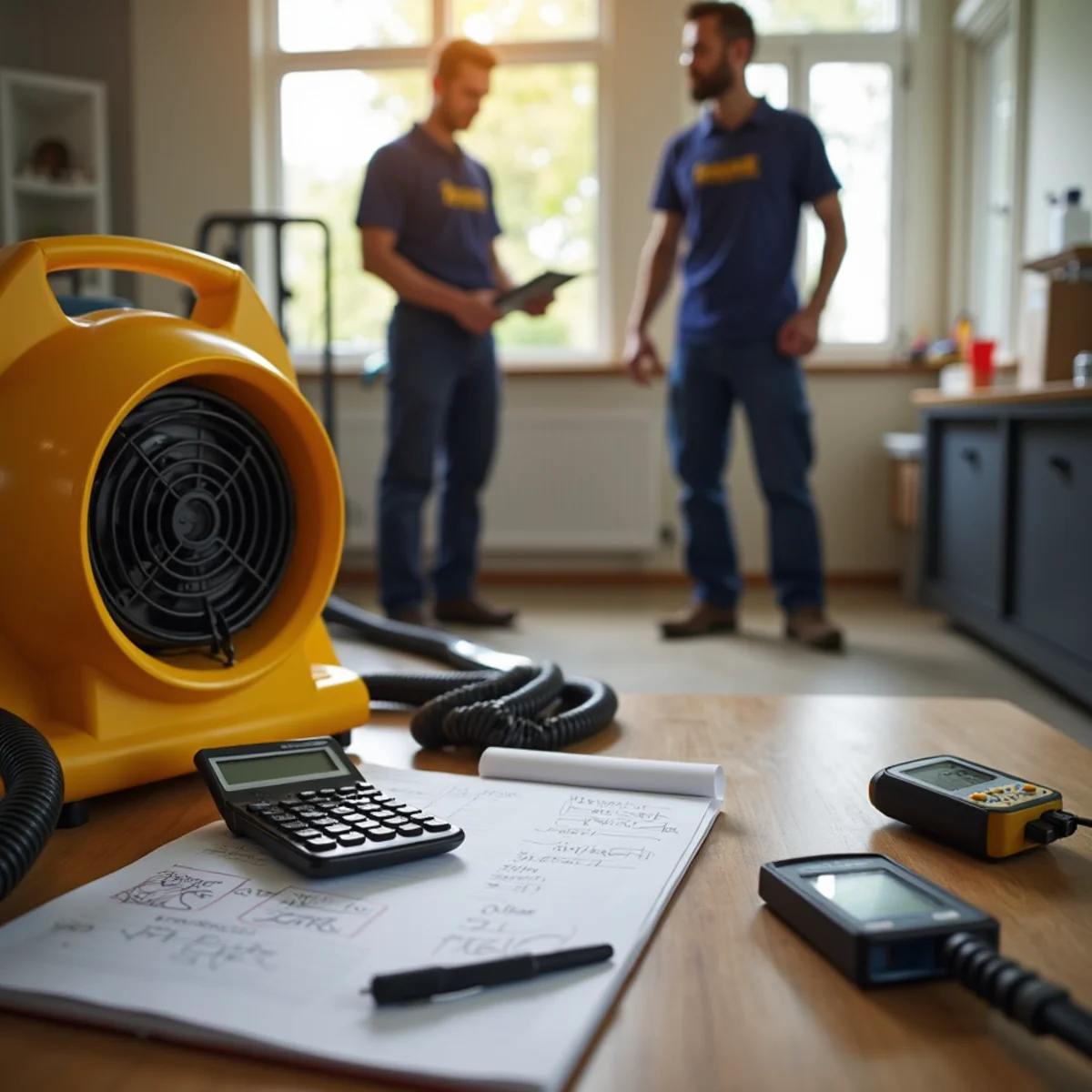
Your eyes see the surface; moisture hides behind it. Water travels up drywall, under flooring, and into wall cavities where it does the most quiet damage. A professional assessment with moisture meters and thermal imaging maps the true extent of the loss — not just what's visibly wet.
That mapping becomes powerful documentation. It shows your adjuster exactly how far the water spread, which justifies the full scope of drying and repair rather than a low estimate based on surface stains alone. This is where hidden damage gets proven, and it's a routine part of how we assess and record every job.
Working With Your Adjuster — and How We Help
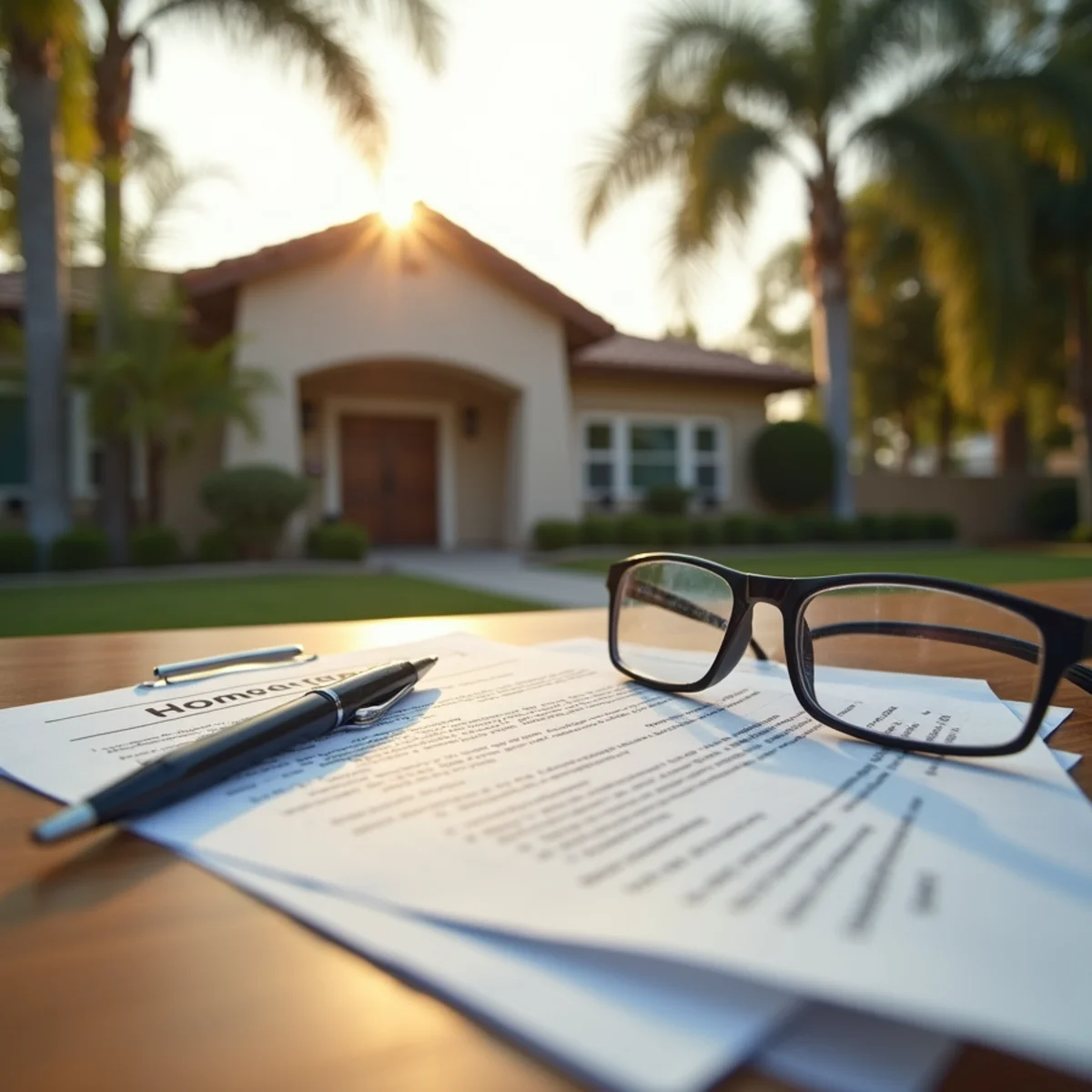
When the adjuster visits, hand over an organized package: your photos and video, the timeline, your item inventory, and the professional moisture report. Being organized signals a legitimate, well-managed claim and tends to speed everything up. Ask for the claim number and your adjuster's direct contact so nothing falls through the cracks.
You don't have to do this alone. Our insurance claims help means we share our documentation directly with your carrier and, where your policy allows, bill them directly. We handle claims for homeowners across Buena Park and nearby communities like Cypress and La Palma, and a well-documented file is the surest path to a fair, timely payout.
Frequently Asked Questions
Document first, then clean. Stop the source and handle any safety hazards, but capture photos and video of the damage before you mop, tear out, or throw anything away. Once the scene is cleaned, you can't recreate it, and your adjuster relies on that visual evidence to approve the claim.
Wide shots of each affected room, close-ups of the damage and standing water, the source of the leak, and damaged belongings with model or serial numbers where visible. A narrated video walkthrough helps too. Timestamps support that the loss was sudden, so capture everything the same day.
It isn't strictly required, but a professional moisture assessment strengthens your claim considerably. Thermal imaging and moisture meters reveal water hidden behind walls and under floors, documenting the full scope so your payout reflects the real damage rather than just what's visible on the surface.
Report it promptly — most policies require timely notice. Call your insurer to open a claim as soon as the situation is stable and you've taken initial photos. Prompt reporting, paired with evidence that you acted quickly to limit further damage, keeps your claim on solid footing.
Dealing with water damage right now?
Water Damage Buena Park responds 24/7 across Buena Park & North OC.