An odor is information. That musty note in the hallway, the sour smell near the laundry, the smoke that lingers weeks after a small kitchen fire, each one is telling you something is still there. Air fresheners and plug-ins only bury the message. We find what is actually producing the smell and remove it.
Most persistent household odors come from one of a few sources: mold and mildew feeding on damp material, bacteria left behind by a sewage backup or a pet accident, or smoke particles that have settled into porous surfaces. Each needs a different approach, and covering all of them with fragrance is why store-bought fixes fail within a day.
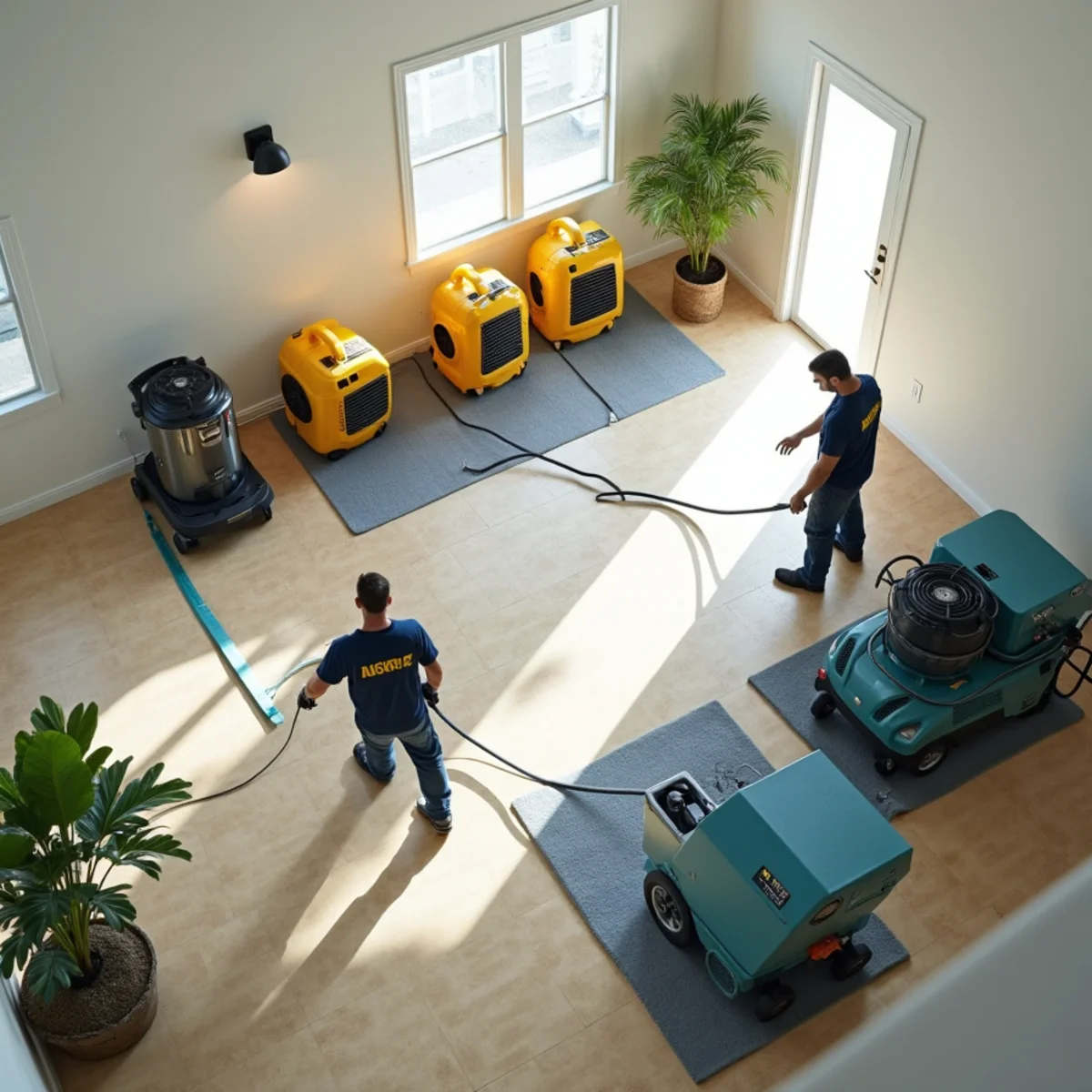
We start by locating the source with moisture meters and a careful nose, then remove or clean the material holding the odor. Only after that do we treat the air and surfaces, using hydroxyl generators, air scrubbers, and thermal fogging matched to the specific smell. The goal is a home that smells like nothing, not like a candle fighting a problem.
We are a local, IICRC-certified team, and deodorization is often the last step of a water or fire job we have already handled. Whether it follows restoration or stands on its own, the method is the same: source first, then the air.
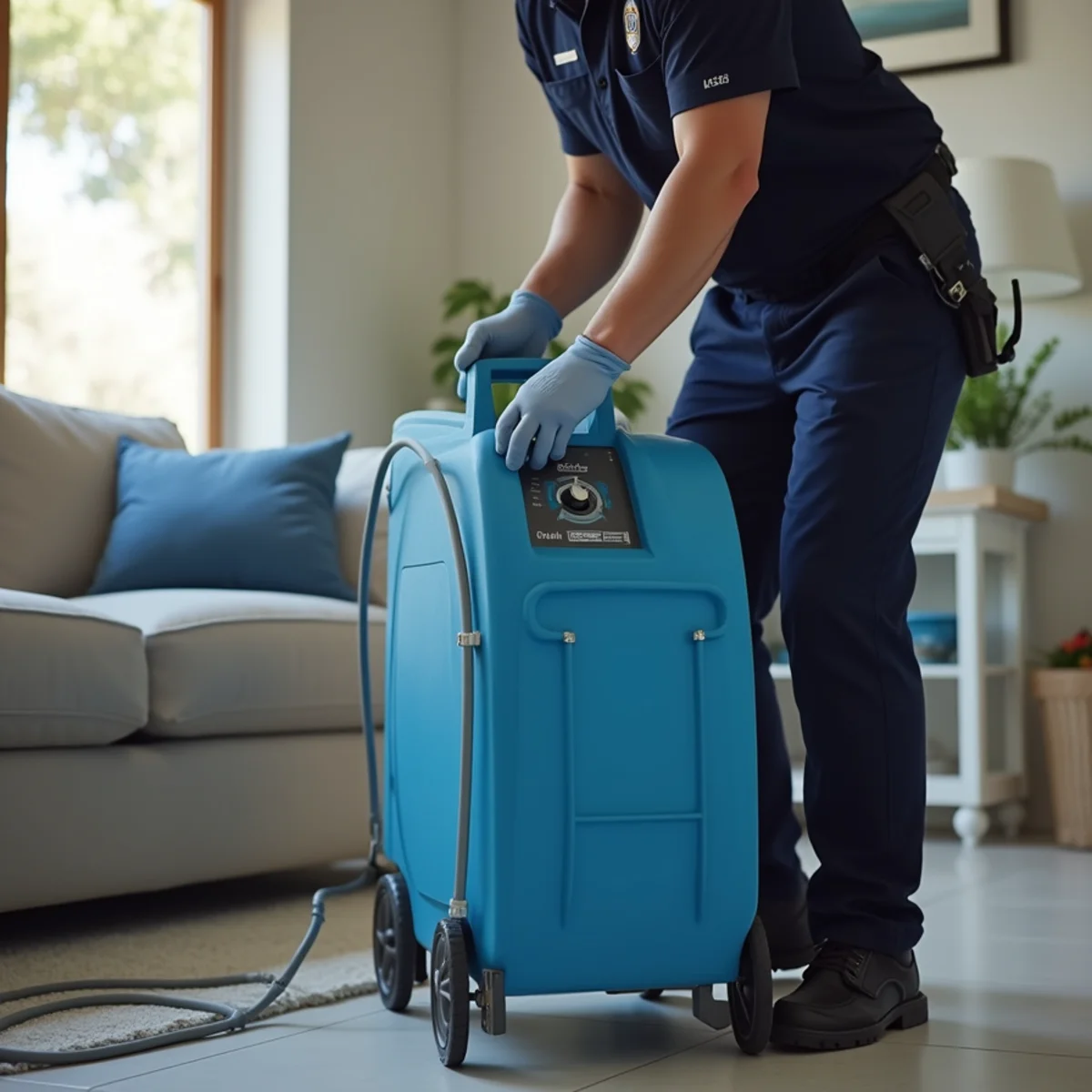
Signs You Need Odor Removal & Deodorization in Buena Park
Water damage rarely announces itself politely. Here's what tends to signal that it's time to call a professional:
- A musty or earthy smell that returns no matter how much you clean
- Sour or sewage odors near drains, laundry, or a recently flooded area
- Smoke smell lingering after a fire, even a small one
- Pet odors soaked into carpet, padding, or subfloor
- A smell that gets stronger with heat, humidity, or a closed-up house
- Odors that reappear when the HVAC system runs
- Lingering chemical or mildew smells after a DIY cleanup
What's Included in Our Odor Removal & Deodorization
Odor Removal & Deodorization with us is a complete, done-for-you service — not a partial fix that leaves you chasing other contractors. Here's what a typical job includes:
- Source of the odor found and removed, not just masked
- Affected materials extracted, cleaned, or replaced
- HEPA air scrubbers used to pull odor particles from the air
- Hydroxyl or ozone treatment matched to the odor type
- Thermal fogging to reach porous surfaces and wall cavities
- Antimicrobial applied to kill odor-causing bacteria and mold
- Sealing of surfaces where the odor has penetrated
Why This Matters in Buena Park & North OC
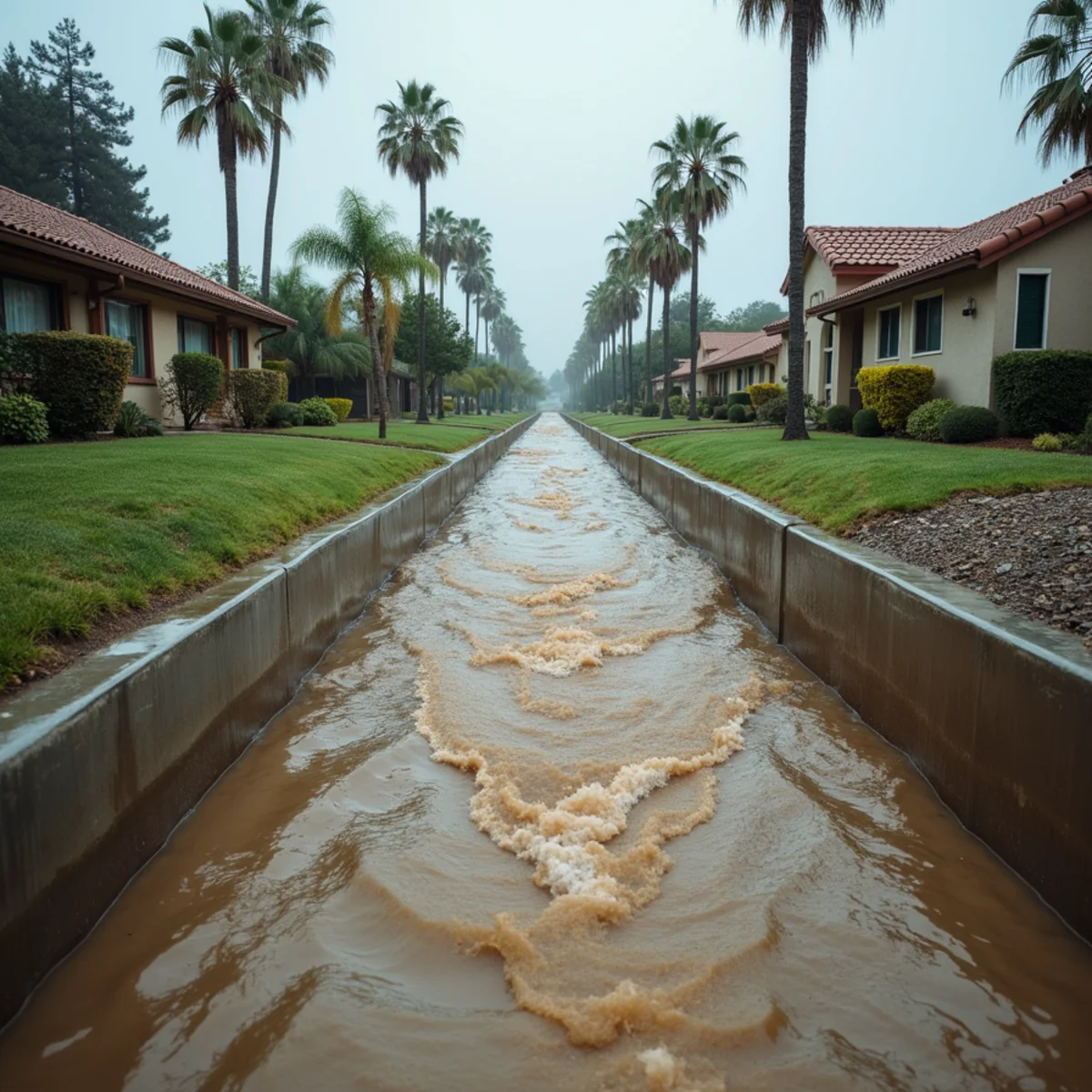
Buena Park's dry Mediterranean climate can mask an odor problem and then reveal it. A slow leak inside a slab-home wall may not smell like much in July, but when the fall Santa Ana winds settle and humidity shifts, or the first November rains raise the moisture indoors, that hidden mildew announces itself. We chase the smell back to the damp material rather than treating the season.
Sewage odors are common in our older neighborhoods, where original cast-iron and clay laterals have had decades to crack and take on roots. A backup near Knott's or along the older streets off Beach Boulevard can leave bacteria in flooring and baseboards that smells long after the water is gone. That requires disinfection, not deodorizer.
In apartments and condos, one unit's smoke or cooking odor can travel through shared walls and returns. We treat the affected unit and address the shared pathways so the smell does not simply migrate next door.
Our Odor Removal & Deodorization Process
Our deodorization work follows a source-first sequence, and here is what each stage looks like.
- 1
Emergency Contact & Rapid Assessment
A real person answers your call 24/7 — never a voicemail. We ask a few quick questions to gauge severity, then dispatch a crew immediately. While you wait, we'll walk you through shutting off the water and safely documenting the damage for your insurer.
- 2
Water Extraction
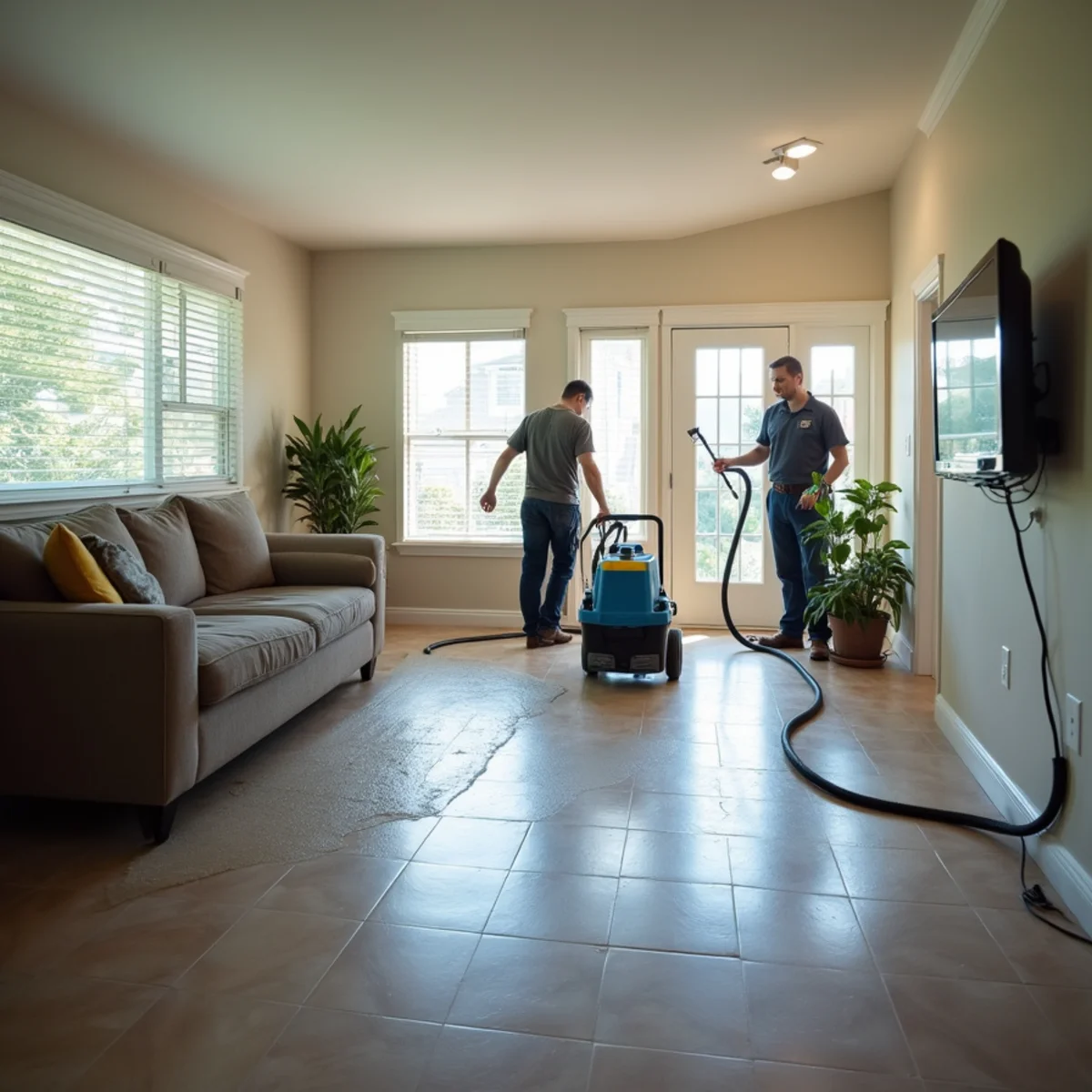
Our technicians arrive with truck-mounted and portable extraction units to pull out standing water fast — the single biggest factor in limiting damage. We move furniture and belongings to dry areas and stop the spread before it reaches new rooms.
- 3
Drying & Dehumidification
We position industrial air movers and dehumidifiers to dry structural materials from the inside out, then monitor moisture daily with professional meters and thermal imaging so hidden dampness behind walls and under floors doesn't turn into mold.
- 4
Cleaning & Sanitizing
Every affected surface is cleaned with antimicrobial and anti-fungal treatments. For gray- and black-water losses we follow strict IICRC S500 containment, PPE, and disposal protocols to keep your home safe.
- 5
Restoration & Reconstruction
Once your property is dry, we repair or replace drywall, flooring, cabinetry, and paint — and put it back the way it was. One company handles the whole job, from the first extraction to the final coat of paint, so you're never juggling three contractors.
What Affects the Cost of Odor Removal & Deodorization
We give you a clear, upfront estimate after a free on-site assessment — no guessing, no fake numbers. The final figure depends on factors like:
- The type of odor and what is producing it, whether mold, smoke, sewage, or organic
- How deeply the smell has penetrated porous materials and framing
- The square footage and number of rooms affected
- Whether contaminated materials must be removed and replaced
- The equipment required, such as hydroxyl generators or thermal fogging
- How long air treatment must run to fully clear the space
- Whether the HVAC system needs cleaning to stop recirculating the odor
Because we document everything to insurer standards, most of this is typically handled through your homeowner's claim — and we bill your insurance directly.
Need help right now?
Certified crews on standby, 24/7. We'll be there fast.
Odor Removal & Deodorization FAQs
Because they add a scent on top of the one you do not want instead of removing what is producing it. The source, whether damp drywall, bacteria in the subfloor, or smoke in the carpet, keeps generating odor around the clock. Once we remove or neutralize that source, there is nothing left to cover, so the smell does not come back.
Thermal fogging heats a deodorizing agent into a fine fog that follows the same path smoke or odor molecules took, reaching into cracks and porous surfaces a spray cannot. It is especially effective for smoke. We ventilate afterward and tell you how long to stay out, which is usually a short window rather than days.
Often yes, but it depends how far the contamination soaked in. Sealed floors and tile clean up well. Carpet padding, particleboard, and unsealed subfloor that absorbed sewage usually need to be removed, because the bacteria and the smell live inside the material. We assess it honestly and do not promise to save what cannot be saved.
Sometimes the drying handles it and no separate treatment is needed. But if material sat wet long enough to grow mildew, or if the water was contaminated, a residual smell can linger after the structure is dry. In those cases deodorization is a short final step, and we will tell you upfront whether your job needs it.
Because the source is still there. A smell that returns with humidity almost always means moisture or microbial growth is hiding in a wall cavity, under flooring, or in the subfloor, and damp air reactivates it. Masking it with fragrance never lasts. We find the moisture with meters and thermal imaging, dry or remove the affected material, then treat the odor at its source so it stops coming back.