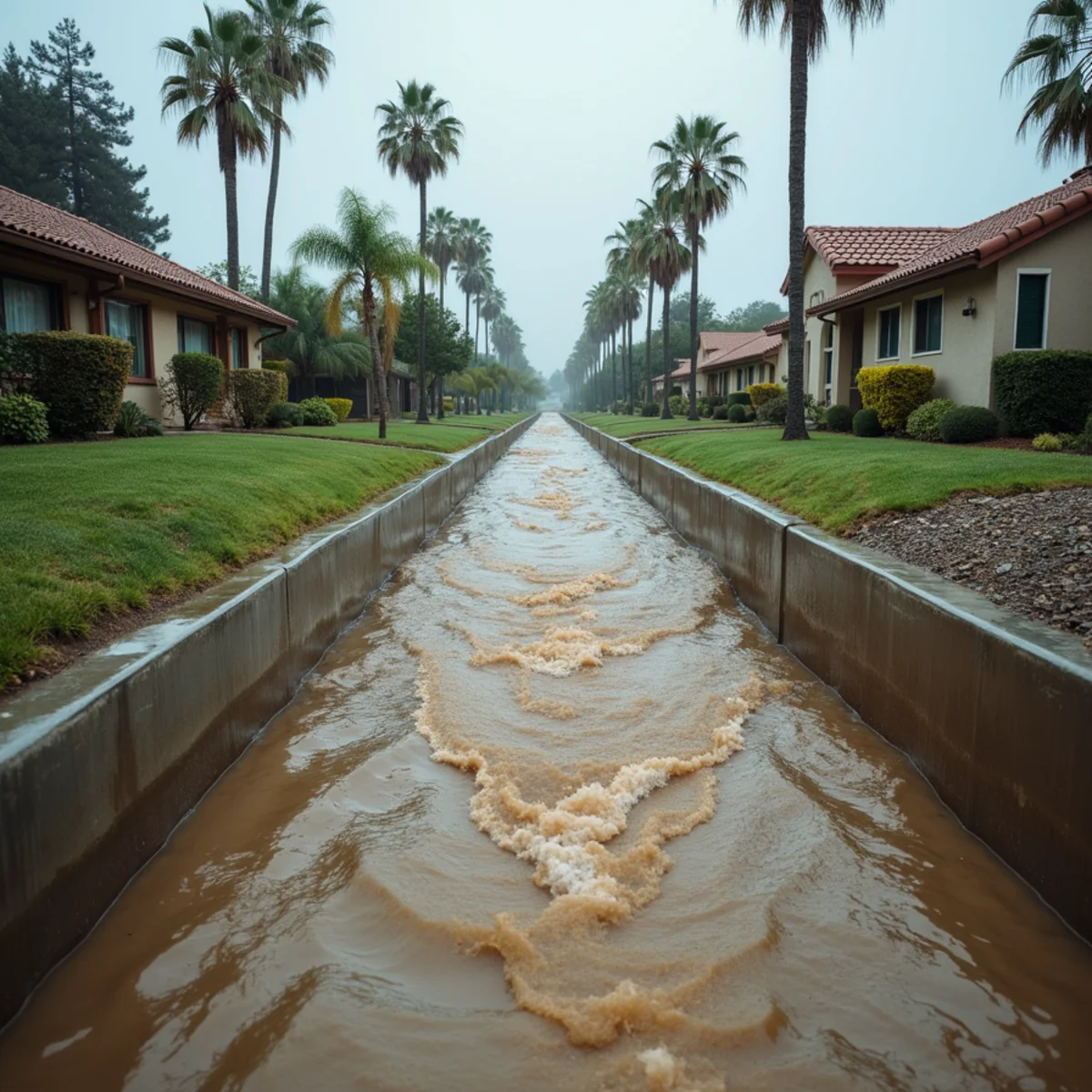
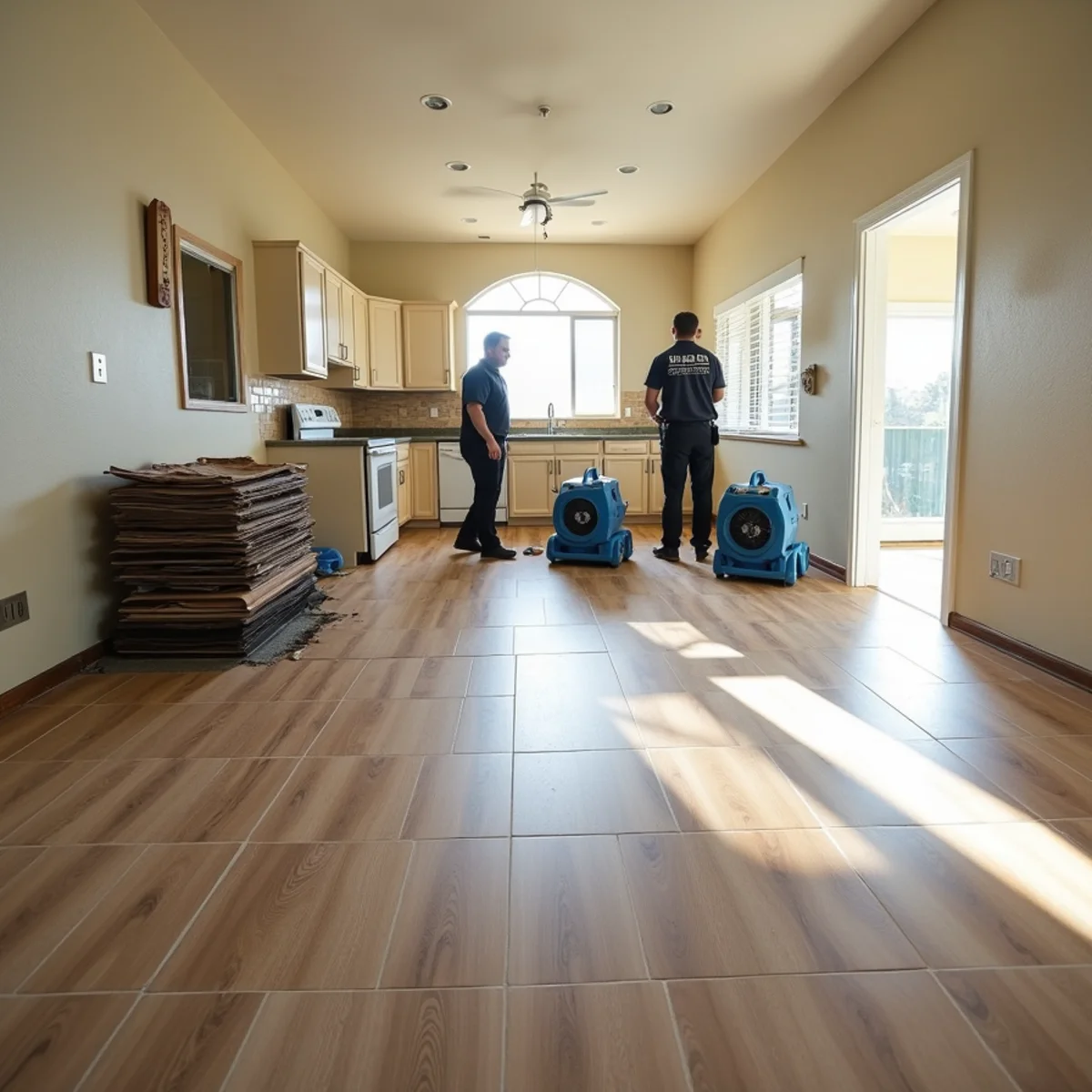
Laminate and tile react to water in opposite ways, and knowing the difference saves you money. Laminate swells and delaminates the moment water gets into its core, and that damage does not reverse. Tile itself shrugs off water, but the grout, thinset, and subfloor beneath it can trap moisture for weeks. Call our 24/7 line and we will tell you which fight you are in.
Laminate is a wood-fiber core wrapped in a printed wear layer. Once water reaches that core through the seams, the planks swell, the edges chip and peel, and the locking joints fail. There is no drying it back to flat — swollen laminate is replaced, not restored.
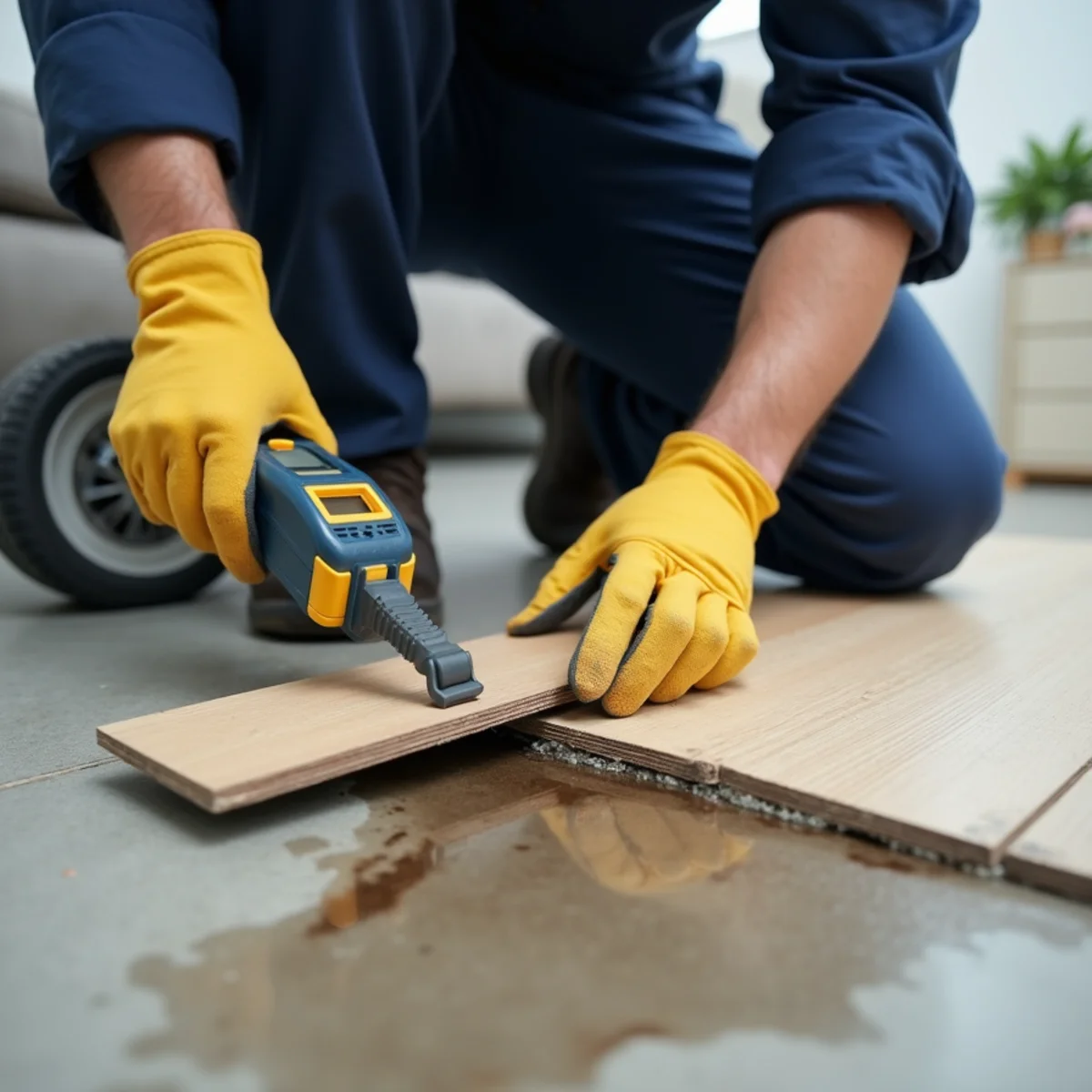
Tile is the opposite. A well-set tile floor can survive a flood looking untouched while water sits underneath in the mortar bed and subfloor. That hidden moisture is the real danger — it feeds mold and can loosen tiles later. We meter beneath the tile rather than trusting the surface.
IICRC-certified, licensed and insured, and local to Buena Park. We document for your insurer and bill your carrier directly when your policy allows.
Signs You Need Laminate & Tile Floor Water Damage in Buena Park
Water damage rarely announces itself politely. Here's what tends to signal that it's time to call a professional:
- Laminate planks swelling, peaking, or lifting at the seams
- Chipped, peeling, or bubbling edges on laminate boards
- Locking joints that have separated or no longer sit flat
- Loose, hollow-sounding, or cracked tiles
- Grout that is cracking, darkening, or crumbling
- A musty smell rising from a floor that looks fine on top
- Cupping or soft spots in the subfloor beneath the flooring
What's Included in Our Laminate & Tile Floor Water Damage
Laminate & Tile Floor Water Damage with us is a complete, done-for-you service — not a partial fix that leaves you chasing other contractors. Here's what a typical job includes:
- Flooring assessed for salvage — tile, laminate, vinyl, or wood
- Water extracted from the surface and under the flooring
- Trapped moisture released from beneath laminate and vinyl
- Subfloor and concrete slab checked with moisture meters
- Air movers and dehumidifiers sized to the wet square footage
- Antimicrobial treatment applied to the affected subfloor
- New flooring installed and transitions reset after drying
Why This Matters in Buena Park & North OC
Laminate and luxury vinyl plank are everywhere in Buena Park remodels and rental units — they are affordable and look good going in. But over a concrete slab, they leave a hidden risk: water from a slab leak or an appliance overflow spreads sideways under the planks with nowhere to escape. We see swollen laminate over slab constantly, often traced to a supply line the homeowner never suspected.
Tile over slab is common in the kitchens and baths of the area's older tract homes. When a leak gets under that tile, water sits in the thinset and the slab itself, which release moisture slowly. A tile floor near Knott's or off the Beach Boulevard corridor can read dry on top and still be holding water below days later. We check underneath before signing off.
The distinction drives the whole plan. On a laminate loss we move quickly to remove the ruined planks and dry the slab beneath. On a tile loss we focus on drying the trapped moisture in the assembly, often saving the tile entirely. Knowing your floor type is the first thing we determine on site.
Our Laminate & Tile Floor Water Damage Process
Our process identifies the flooring type, then either replaces or dries accordingly.
- 1
Emergency Contact & Rapid Assessment
A real person answers your call 24/7 — never a voicemail. We ask a few quick questions to gauge severity, then dispatch a crew immediately. While you wait, we'll walk you through shutting off the water and safely documenting the damage for your insurer.
- 2
Water Extraction
Our technicians arrive with truck-mounted and portable extraction units to pull out standing water fast — the single biggest factor in limiting damage. We move furniture and belongings to dry areas and stop the spread before it reaches new rooms.
- 3
Drying & Dehumidification
We position industrial air movers and dehumidifiers to dry structural materials from the inside out, then monitor moisture daily with professional meters and thermal imaging so hidden dampness behind walls and under floors doesn't turn into mold.
- 4
Cleaning & Sanitizing
Every affected surface is cleaned with antimicrobial and anti-fungal treatments. For gray- and black-water losses we follow strict IICRC S500 containment, PPE, and disposal protocols to keep your home safe.
- 5
Restoration & Reconstruction
Once your property is dry, we repair or replace drywall, flooring, cabinetry, and paint — and put it back the way it was. One company handles the whole job, from the first extraction to the final coat of paint, so you're never juggling three contractors.
What Affects the Cost of Laminate & Tile Floor Water Damage
We give you a clear, upfront estimate after a free on-site assessment — no guessing, no fake numbers. The final figure depends on factors like:
- Flooring type — laminate, vinyl, or tile — and how it responds to water
- Square footage affected, including hidden spread under the planks
- Whether the slab or subfloor beneath is holding moisture
- How much material must be removed versus dried in place
- Grout, thinset, or transition repairs for tile floors
- Matching replacement planks or tile to the existing floor
Because we document everything to insurer standards, most of this is typically handled through your homeowner's claim — and we bill your insurance directly.
Need help right now?
Certified crews on standby, 24/7. We'll be there fast.
Laminate & Tile Floor Water Damage FAQs
Usually not, once water reaches the core. Laminate is built on a wood-fiber core that swells permanently when it gets wet, so planks that have peaked, chipped, or lifted at the seams need to be replaced. What we can save is what is underneath — we remove the ruined laminate and dry the slab or subfloor so the new floor goes over a dry, sound base.
Yes. Tile is waterproof on top, but water gets under it through the grout and sits in the thinset and subfloor, where it can feed mold and loosen tiles over time. We meter beneath the tile with the right tools. If it is dry, great — no work needed. If moisture is trapped, we dry the assembly before it causes bigger problems.
Sometimes. A hollow sound can mean the thinset bond has failed because water got underneath. A few loose tiles can often be reset once the base is dry, but if the mortar bed is saturated or the subfloor moved, that section may need to come up so we can dry and re-lay it properly. We assess the extent before deciding.
It is more water-resistant than laminate, but not immune. The planks themselves handle water better, yet moisture still gets trapped between the flooring and the slab through the seams, feeding mold underneath. We treat vinyl-plank losses seriously — often the planks survive but the trapped moisture below still has to be dried out.
That is the part people forget, and it is where the drying really matters. Most Buena Park homes sit on a concrete slab, which does not rot but holds moisture against whatever is glued or laid on top of it, so we dry the slab surface before any new flooring goes down. In raised-foundation homes the subfloor is plywood, which can swell, delaminate, or grow mold if it stays wet. We meter the subfloor directly and do not call the job done until the layer under your finish floor is dry.